

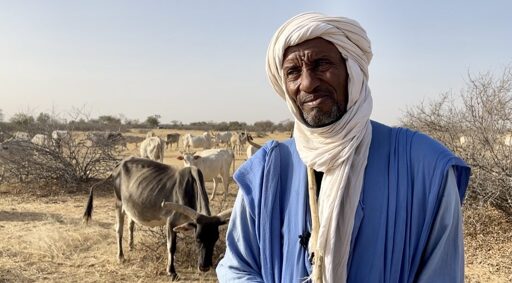
Cattle are a central part of the identity of Andrew Msami’s Maasai community in northeast Tanzania. Herd size determines social position, and many people keep all their wealth in livestock, not banks. In recent years, however, Msami and others have been forced to sell the animals and buy goats, which can handle drought better but are less financially and culturally valuable. Msami says adapting to a shifting climate has been a part of Maasai life for generations, but recent conditions represent an existential threat. “We have to adapt because it’s like desertification is attacking our identity,” Msami told Grist. a U.S.-based nonprofit media organization. “If you lose your identity, it means you have lost everything.” The Maasai are pastoralists, a term that describes the roughly 500 million people around the world who tend herds of livestock including cattle, goats and sheep. They often move with the animals as they seek grass and water. Because they live and work in places with arid conditions and extreme temperatures, they are particularly vulnerable to climate change. Around the world, drought and land degradation threaten rangelands, which make up roughly half of the planet’s landmass, and the pastoralists from Tanzania and Sudan to Nepal and Mongolia that rely on them. The pace of arable land degradation is 30 to 35 times the historic average, threatening even the most resilient communities, according to the U.N. Pastoralists also face an influx of invasive species, extractive industries, tourists and other threats. To address these overlapping crises, Msami…This article was originally published on Mongabay
From Conservation news via This RSS Feed.