

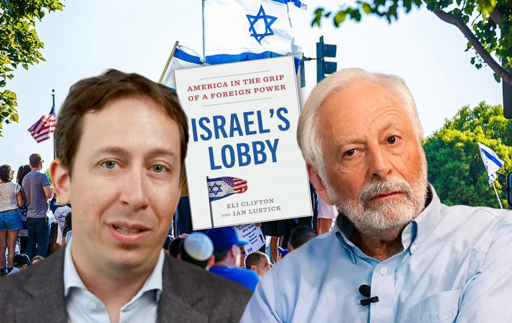
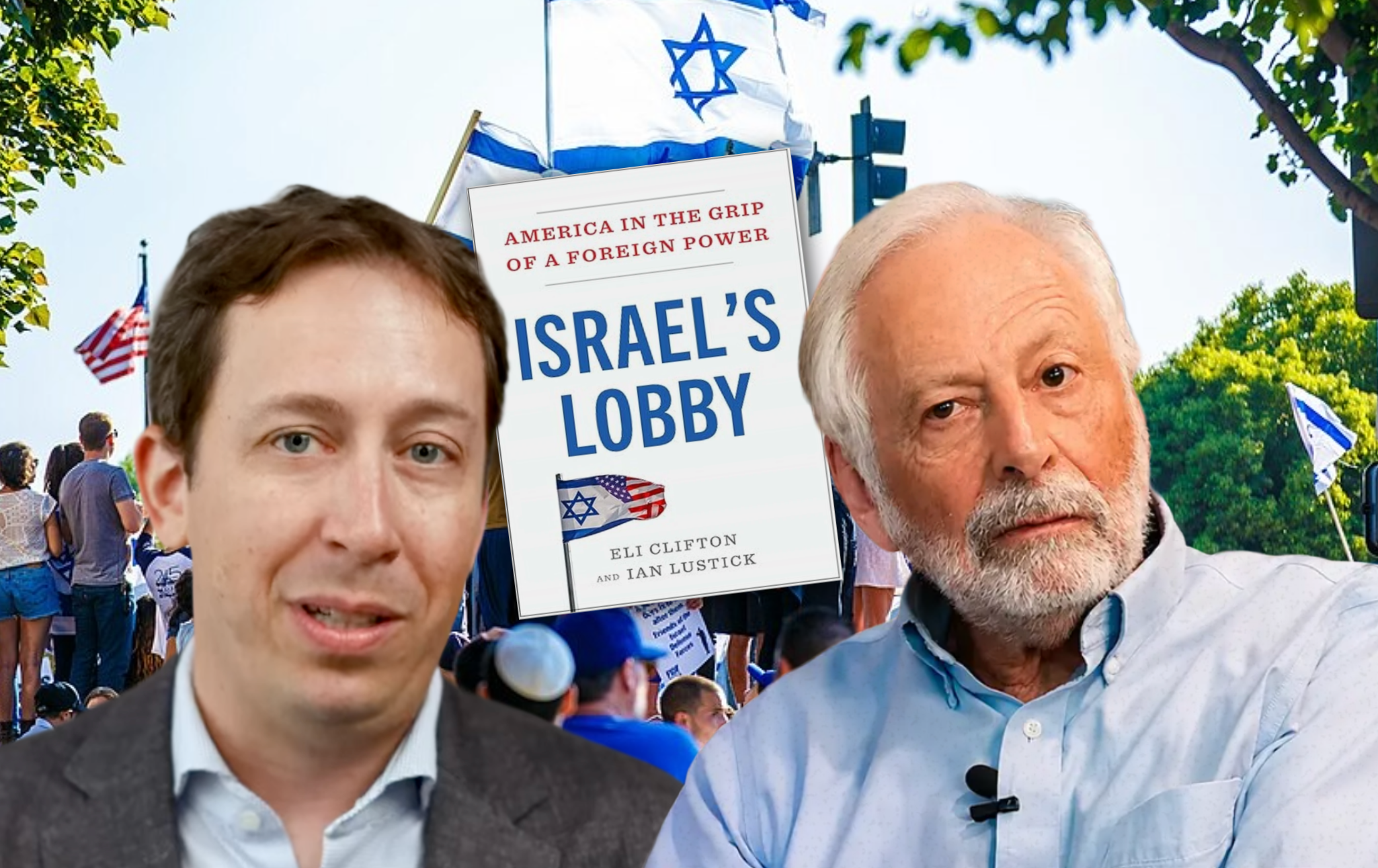
For decades, American support for Israel has been treated by Washington as practically untouchable. Presidents of both parties have supplied Israel with weapons and billions of dollars in aid, even when doing so conflicted with their own stated foreign-policy goals. But as Israel’s genocide in Gaza has transformed American public opinion, an increasingly glaring question has emerged: why has U.S. policy changed so little?
In their new book, Israel’s Lobby: America in the Grip of a Foreign Power, Political scientist Ian Lustick and investigative journalist Eli Clifton argue that answering that question requires confronting the extraordinary power of the Israel lobby. They trace how a network of lobbying organizations and enormously wealthy donors has spent decades making criticism of Israel politically costly—and how, as support for Israel has waned, those efforts have increasingly shifted from persuasion toward massive campaign spending, intimidation, and attempts to suppress dissent.
Lustick and Clifton joined Current Affairs editor-in-chief Nathan J. Robinson to discuss how the lobby acquired its power, the weaponization of accusations of antisemitism, AIPAC’s escalating intervention in American elections, and whether the lobby is finally beginning to lose its grip.
Nathan Robinson
Welcome to Current Affairs. My name is Nathan Robinson. I’m the editor-in-chief of Current Affairs magazine, and I am joined today by Eli Clifton and Ian Lustick. Ian is professor emeritus of political science at the University of Pennsylvania, specializing in Arab-Israeli relations and U.S. foreign policy, Eli is co-founder and senior advisor at the Quincy Institute for Responsible Statecraft. Together, they are the authors of the new book, Israel’s Lobby: America in the Grip of a Foreign Power, newly released. Ian, Eli, welcome to Current Affairs.

From blog via This RSS Feed.