

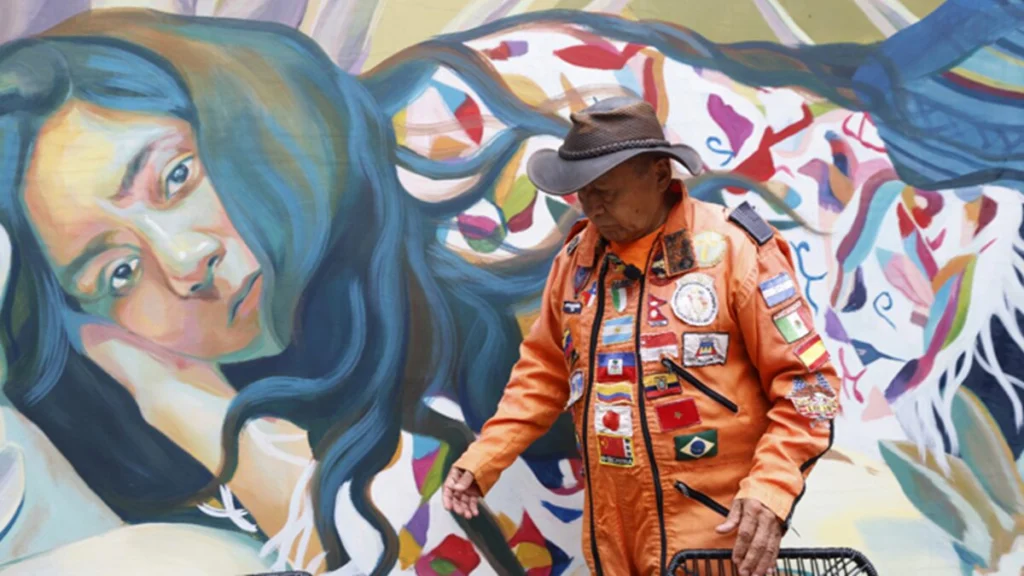
The Mexican rescue group relies on solidarity rather than government approvals or international accreditations.
At a news conference in Mexico City on Monday, Hector Mendez, leader of the “Topos Azteca” rescue group, defended his compatriots’ decision to join emergency response efforts following the earthquake that struck Colombia on Aug. 10.
RELATED:
Colombia Launches 3-month Subsidy Plan to Quake Victims Amid Criticism
“We Topos are not governed by UN regulations. We are governed by the heart, solidarity, love and empathy,” said the veteran rescuer, who highlighted the importance of acting autonomously in rescue operations, without waiting for government approvals, international accreditations or diplomatic arrangements.
The Mexican brigade advocates a strategy of rapid intervention, with lightweight teams that do not depend on the large logistical structures accompanying some international missions.
“We go all the way in, that’s how the Topos are. I don’t ask for permission,” Mendez said, pointing out that rescue work must remain strictly humanitarian.
“You don’t make a living from this, you live for this. Rescue is humanitarian work, not an industry of death,” the brigade leader said, rejecting the idea that rescue work could be used to obtain economic benefits, publicity or prominence.
While recalling that President Claudia Sheinbaum participated as a university volunteer following the 1985 earthquake, Mendez rejected depending on the Mexican government’s logistical or transportation support, arguing that maintaining “distance” allows the group to preserve its independence and avoid official procedures.
Una imagen se ha convertido en símbolo de solidaridad tras el terremoto en Colombia.
Rescatistas mexicanos de los Topos Azteca fueron captados durante un momento de descanso, junto a las banderas de México y Colombia colocadas sobre un mástil improvisado entre los escombros.
— OSCAR MARIO BETETA (@MarioBeteta) August 20, 2026
The text reads, “An image has become a symbol of solidarity after the earthquake in Colombia. Mexican rescuers from the Topos Azteca were captured during a moment of rest, next to the flags of Mexico and Colombia placed on a makeshift flagpole among the rubble. Beside them are the rescue dogs that accompany them in their work.”
Support From Colombians
During their stay in Colombia, the Mexican rescuers received support from the population and from a network of female volunteers who helped them quickly obtain essential equipment, such as thermal cameras and tools for breaking concrete.
The brigade members faced long work shifts, combating exhaustion through hydration, rest when possible and internal discipline to keep under control the emotional impact of working among destroyed buildings and victims.
“When it is something you like, there are no limits,” said Ana Karen Torres, a volunteer paramedic with “Topos Azteca” for more than a year, who has temporarily set aside work and family commitments to participate in the missions.
After completing their tasks and confirming that Colombian teams could continue the remaining work, the brigade returned to Mexico on the eve, following a mission that began with emergency operations in Venezuela and continued virtually without rest in Colombia.
After 41 days of rescue operations following the earthquake in Venezuela, the Mexican group “Topos Azteca” traveled directly to Colombia to assist with the emergency, challenging international protocols and procedures that can delay assistance during the critical first hours of a disaster.
The Mexican volunteers chose to join the efforts on the ground despite Colombian President Abelardo de la Espriella only wanting to receive rescue brigades from countries aligned with his conservative ideology, including the United States, Israel and Ecuador.
teleSUR/ JF
Source: EFE
From teleSUR English via This RSS Feed.