

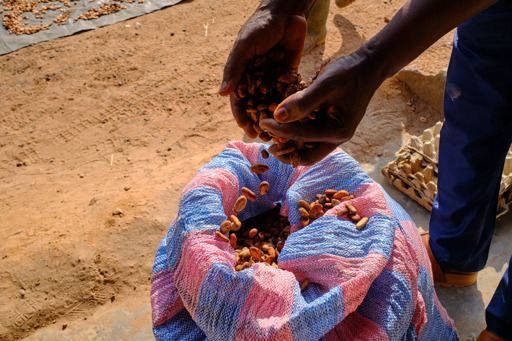
In Liberia’s Grand Gedeh county, deforestation for cocoa has soared since 2020, pushing the region’s cocoa trade into an uncertain future. The EU is Liberia’s biggest cocoa customer, but is set to implement the EU Deforestation Regulation (EUDR), which bans the import of forest products, including cocoa, made on land deforested after Dec. 31, 2020, reports Mongabay’s Ashoka Mukpo. “If cocoa from Liberia was produced on land cleared after that EUDR cutoff date, it would fail on deforestation grounds,” Owen Gibbons, senior manager for global advocacy and UK public affairs, at the Rainforest Alliance, told Mongabay. In 2024, the EU imported more than 17,000 metric tons of cocoa from Liberia, a 30% increase in two years. Soon, Liberian cocoa producers will have to show their beans weren’t produced on forest land cleared after December 2020. However, most cacao plantations in Grand Gedeh are deep inside forests. In fact, much of the forest loss in the region has occurred since 2020. Before that, 99% of the county was covered by forests. Primary forest loss in Grand Gedeh, 2015-2025. Image by Ashoka Mukpo for Mongabay. Some forests are communally owned and private individuals can lease them out. However, cacao plantations have also encroached into other forests, including the proposed Kwa National Park area, where commercial agriculture is currently banned. To meet the EUDR requirements, cocoa producers will have to show their EU customers exactly where the cocoa plantations are and when they started production. Tracing every plantation and its production is a massive…This article was originally published on Mongabay
From Conservation news via This RSS Feed.