

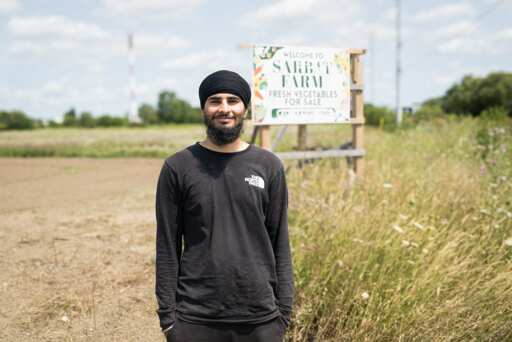
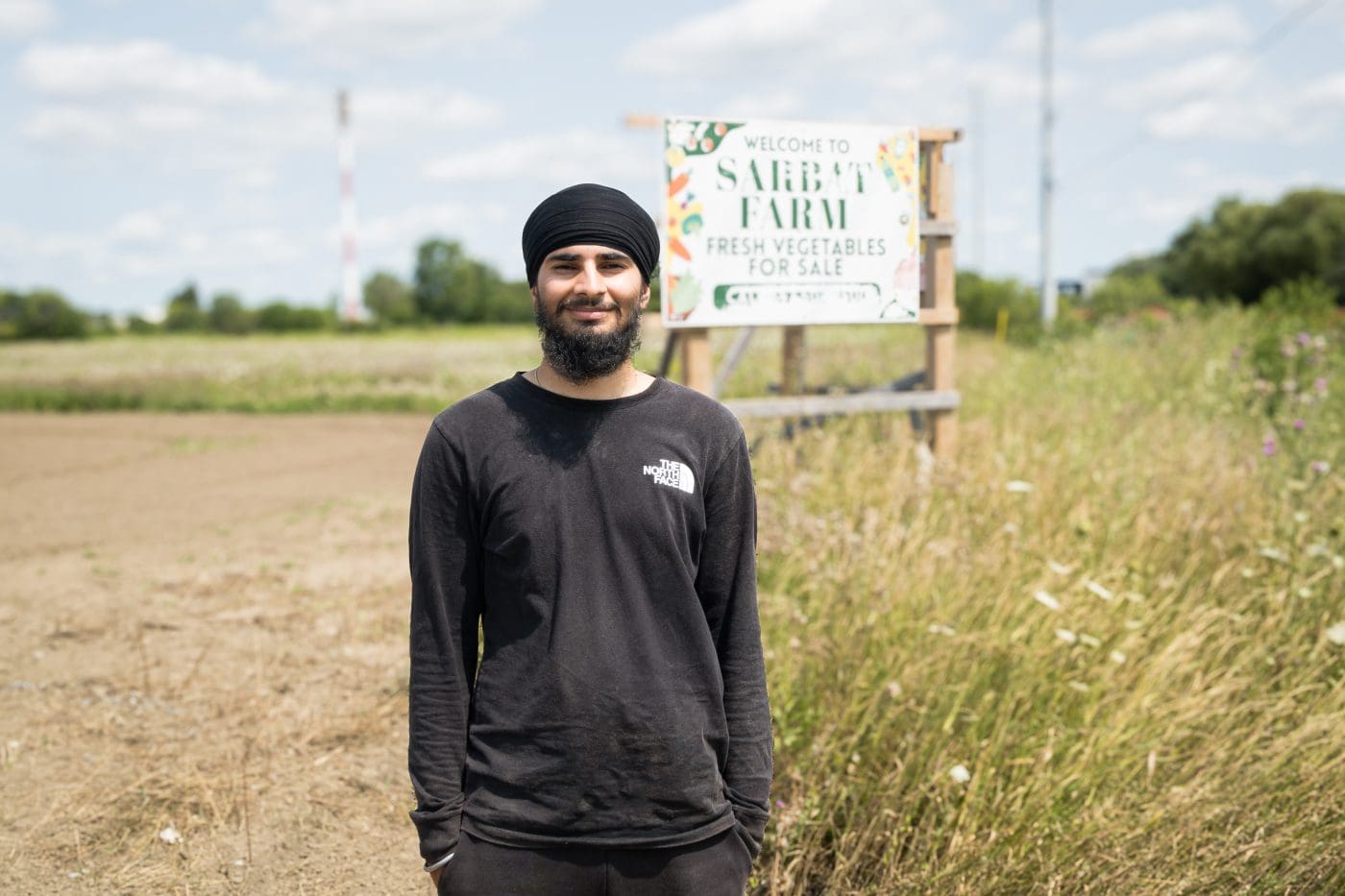
Photo: Amit Nanwa / The Narwhal
My parents were farmers before they came to Canada in the late 1980s. So were my grandparents. I grew up here, never farming, but also never entirely distant from it.
Some of my strongest connections to my family’s history in Punjab came from the back seat of my parents’ car. I remember trips to farms in and around Brampton, Ont., to find vegetables my parents grew up eating in India: okra, bitter gourd, fenugreek, coriander and other produce that would later be cooked into sabzi, a lightly sautéed vegetable dish eaten with flatbreads like roti.
For me, those trips meant getting a taste of a country I hadn’t grown up in.
For my parents, they meant something different.
They brought back memories of working alongside their parents and siblings. After immigrating to Canada, their family members eventually scattered to different countries and continents and those experiences became harder to return to.
Going to the farm offered a small piece of it.
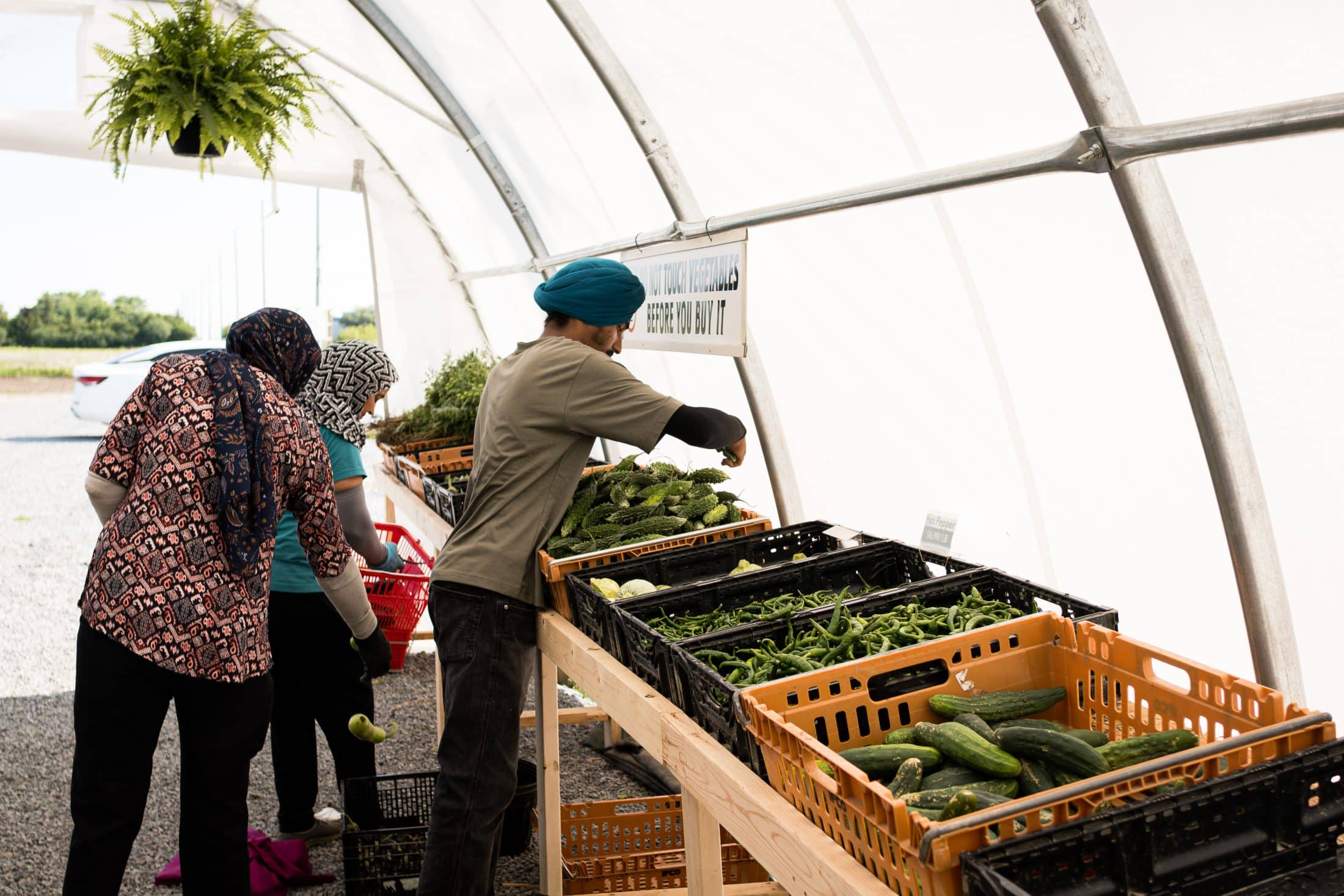
The Sarbat Farm market has vegetables such as okra and gourds grown on the grounds, without pesticides.
Thousands of people now experience this nostalgia through their phones. In the past few years, several farmers in the Brampton area have taken to social media to share their crops, farming practices and the knowledge behind how they grow food. There’s King Subzi Farm (@kingsubzifarm) northwest of the city, in Caledon, Ont., along with Balle Balle Heritage Farm (@balleballeheritagefarm).
Sarbat Farm (@sarbatfarm), northeast of Brampton, has just over 5,000 followers on TikTok alone, watching reel after reel of daily life on the farm and chickens roaming the land. Driving there, in early August, I got to see it in person, this time from the front seat: fields filled with fresh garlic and serrano chilli peppers, tractors moving through the land and families arriving to buy produce — and a taste of home.
South Asians were farming in Canada in the early 1900s
The connection between farming, food and migration has existed in Canada for more than a century. Tarlok Singh Sahota is the director of the Lakehead University’s agricultural research station in Thunder Bay, Ont., and studied agronomy at Punjab Agricultural University in India. He says Punjabi farmers have been involved in Canadian agriculture for generations, particularly in British Columbia.
Historical records compiled by the South Asian Studies Institute at the University of the Fraser Valley show that by 1909, 35 South Asians were working on farms in Mission and Matsqui in B.C.’s Lower Fraser Valley. By 1923, records listed 25 farms among businesses owned or operated by the province’s relatively small South Asian community. The earliest record in Ontario is 1914, when a group of Sikh men worked as farmhands on an estate near Pickering, east of Toronto.
Today, Statistics Canada data shows 8,960 Sikh people worked in agriculture in Canada in 2021, representing about 2.1 per cent of people working in the industry. By comparison, 771,790 Sikhs live in Canada, making up 2.1 per cent of the country’s total population.
“Farming is in our blood, so they started owning farms or farming as soon as possible so they could do it,” Sahota says.
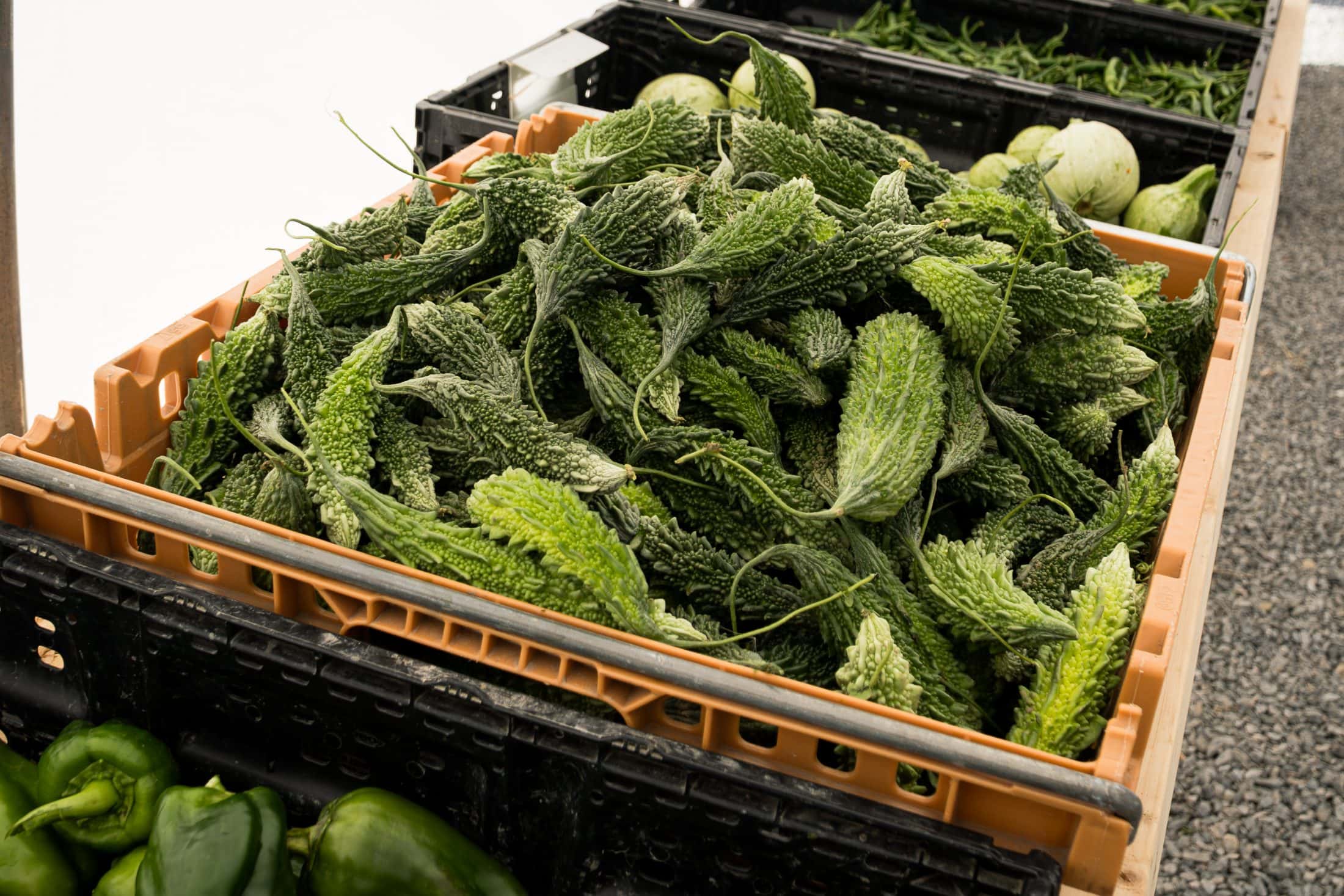
Bitter gourd, also known as karela in Hindi, Urdu and Punjabi, is a distinctively bitter vegetable commonly used in South Asian curries, stir-fries and stuffed dishes.
In places such as Brampton, which 340,000 South Asians call home, that history of farming is meeting a growing market for vegetables that are everyday ingredients in Punjabi kitchens, Sahota says, but less common on conventional Ontario farms.
Many of these vegetables can require intensive watering and care to ensure a controlled and reliable moisture supply, separate from natural rainfall throughout the growing season, he says.
There is also the knowledge that comes from understanding the crop itself, what it looks like, how it grows and when it should be harvested.
“That’s why most of these things are grown by Punjabis or Asian communities,” Sahota says.“For most people here, this is a specialized cultivation, specialized farming. It is what you call high-value crops in a way.”
Whether farmers can grow those crops commercially ultimately comes down to demand.
“Because there’s a big population, then there’s a demand,” Sahota says of Brampton. “Whatever you grow, if there is no demand, you won’t grow that.”
Family, friends and farming outside Brampton, Ont.
Jaswinder Singh Sran came to Canada in 2008. His 19-year-old son, Gurveer Singh Sran, says his father grew up farming in India and had long dreamed of doing it again.
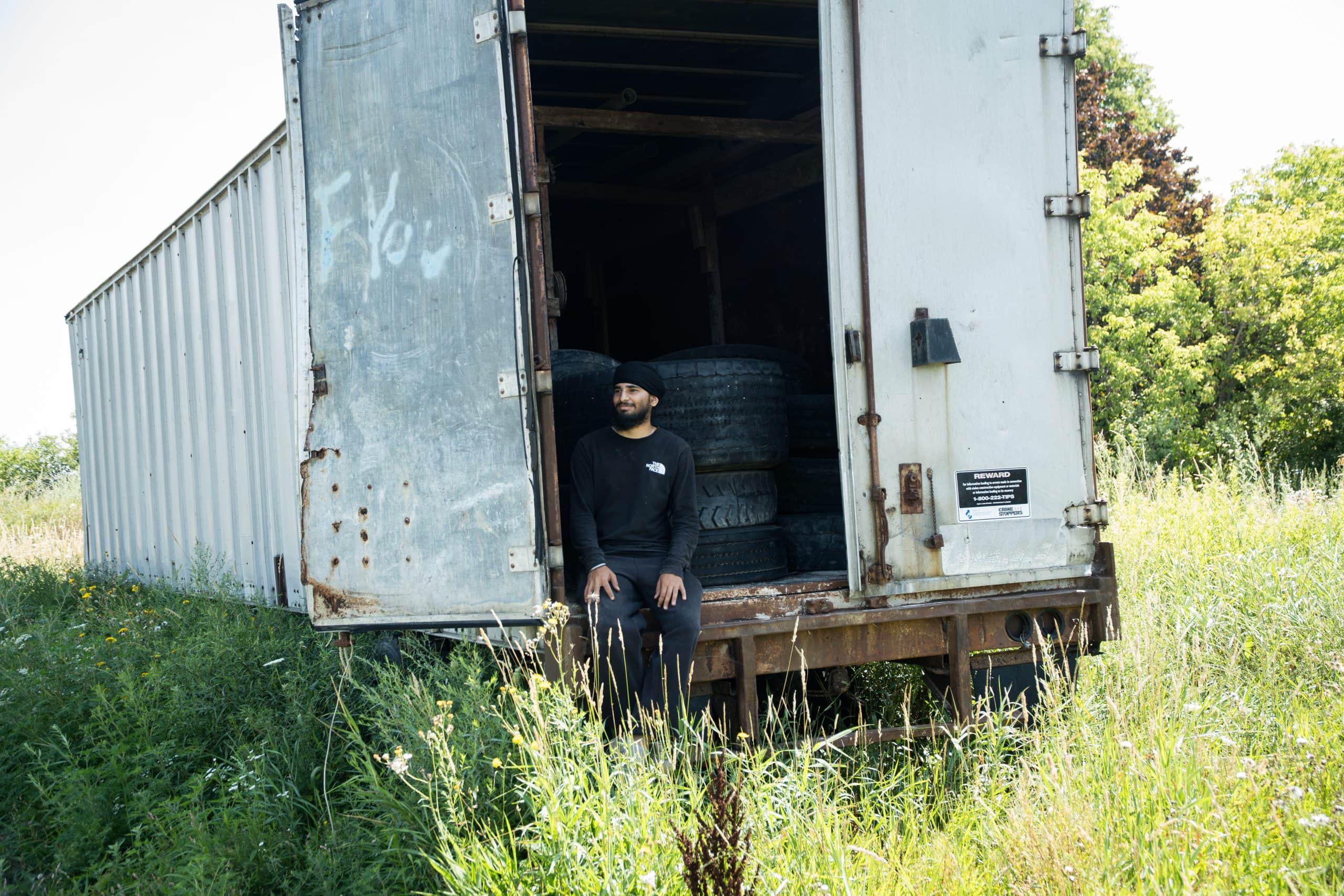
Gurveer Singh Sran is the son of Sarbat Farm owner Jaswinder Singh Sran. He says the farm will continue to be run by the family and friends.
Gurveer remembers hearing stories about his father operating a combine — the machine used to harvest a variety of crops from oats to rice and more — when he was about 18 and travelling to other parts of India where farmers would pay him to harvest their crops.
“My dad always had a dream to farm in Canada,” Gurveer says. But it would be years before that opportunity arrived.
The family started farming the 400-acre property in 2020. There is a whole team behind Sarbat Farm, from those tending and harvesting the vegetables that sprawl across tree-lined fields, to the people selling the goods at a farmstand on the property. When I visit on a Sunday, it’s teeming with customers, filling bags of green chickpeas and pattypan squash, under a big, white tent.
Balkaran Dhillon is also a part of that team. He bought land in 2017 that became the site of Sarbat Farm.
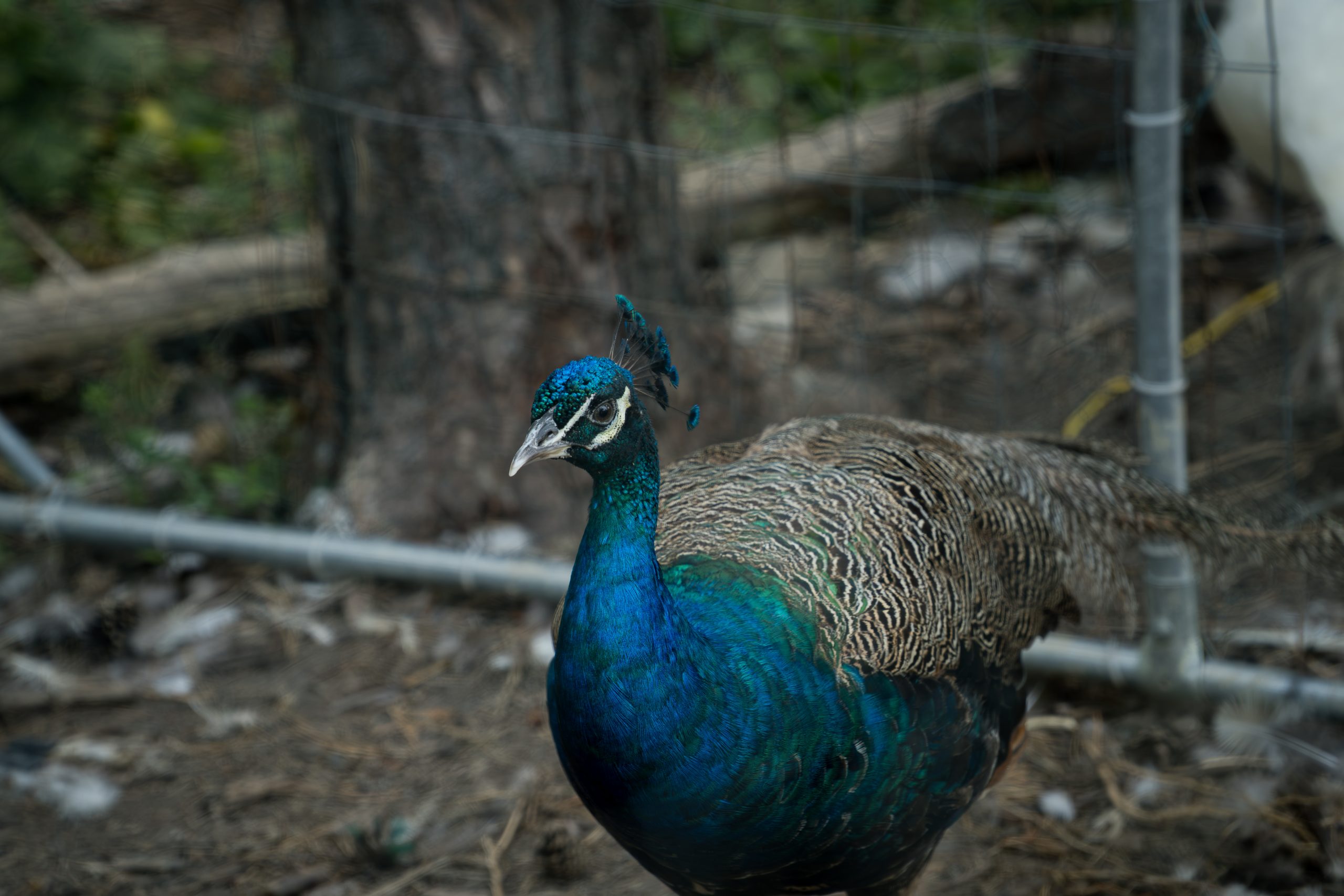
On farms in Punjab, peacocks and other animals are a common sight, with their calls often part of the morning routine for people who live there. At Sarbat Farm, in Brampton, Ont., peacocks are kept next to the owner’s home, on the farm property.
Dhillon, too, grew up farming in India. “When I was three years old, I always went with my parents to sit with the tractors and grow vegetables and other crops like wheat, mustard, chickpeas and cotton,” Dhillon says.
He moved to Canada in 2001. Dhillon met Jaswinder, who was doing general contracting work, in 2020. They set about starting the farm together.
The name Sarbatderives from the phrase “Sarbat da bhala”in the Punjabi language, Dhillon says, which translates to “blessings or welfare for all.” They chose the name to reflect their desire to help feed everyone.
Adapting farming practices for the climate and environment
While much of the team at Sarbat brought knowledge of farming from India to Ontario, it has required adaptation.
The biggest difference, Dhillion says, is the weather.
“It is hard, especially because of the very small [growing] season and winter,” Dhillon says.
But they have found ways to stretch the growing season and learned some of the local norms for seasonal planting. Garlic is planted in the fall, Dhillon says, whereas in India bulbs could be buried into the winter months. Some plants are started in greenhouses in February, allowing them to be transplanted soon after temperatures rise in the spring.
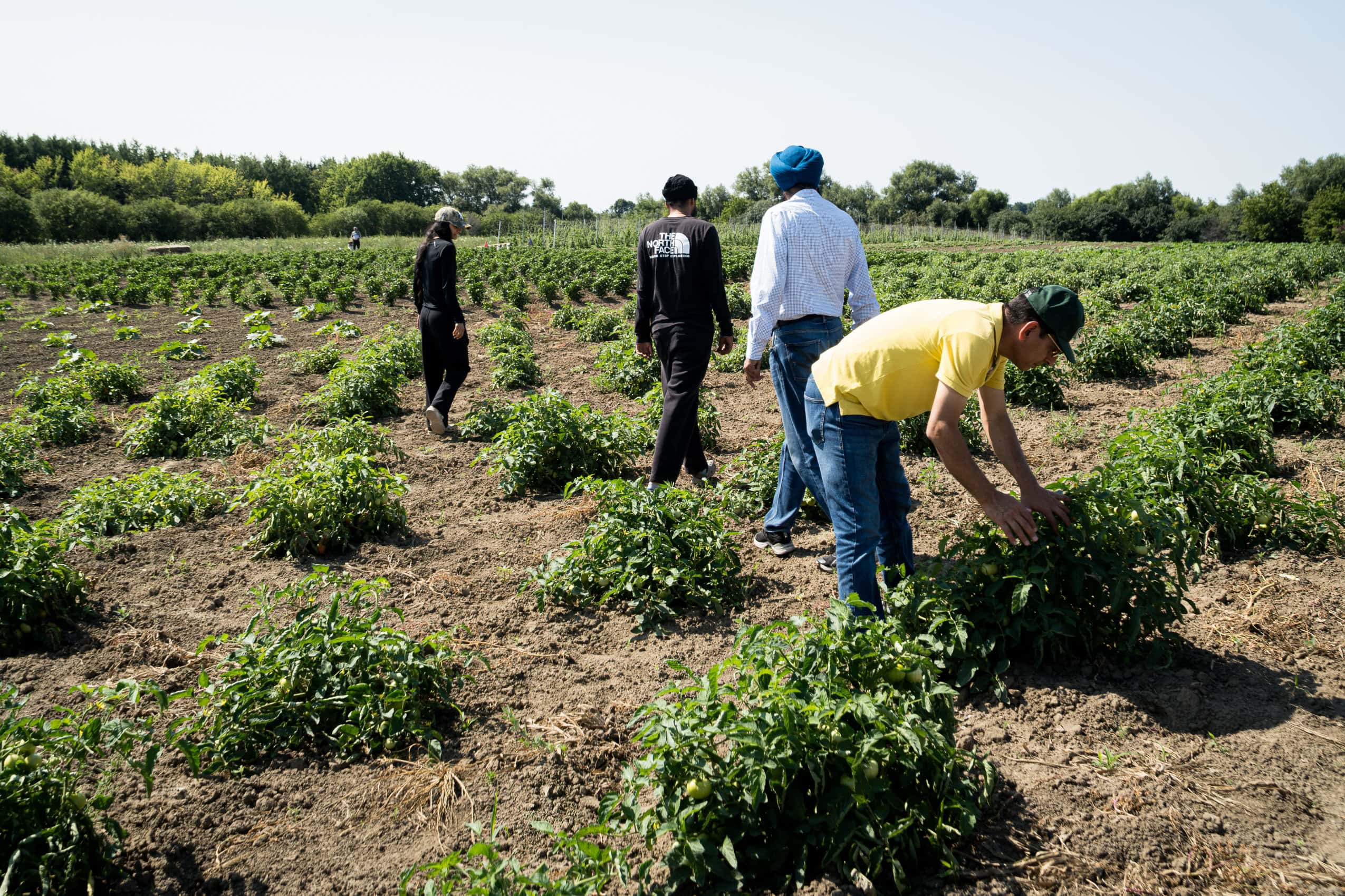
Sunpreet Kaur Sran, left, Gurveer Singh Sran, Sarjeet Singh Jhabelwali and Balkaran Dhillon all help with day-to-day operations at Sarbat Farm.
A couple years after starting the farm, the owners converted to organic farming practices, Sarjeet Singh Jhabelwali, another family friend who oversees some of the farming operations, explains.
“We want to prove that farming can be done without chemicals and fertilizers. Farming can be done without tampering with nature,” he says in an interview, conducted in Punjabi.
For Jhabelwali, the approach is part of a broader vision for agriculture that he wants the community to understand, particularly younger generations.
“We are polluting the environment. Species are disappearing,” he says. He attributes this, in part, to the use of pesticides. Health Canada studies and regulates pesticide use – what is allowed and how much – but generally recognizes that pesticides are one of several factors contributing to the loss of pollinators and other impacts on humans and the environment.
Dhillon says avoiding pesticides makes the work more labour-intensive because weeds have to be removed by hand rather than sprayed, but it’s better for the environment and creates jobs.
He estimates the operation employs about 40 to 50 people, many of them relatives, friends and older workers who already know how to farm.
For Gurveer, who helps during the summer and around his school schedule, the fields represent both his father’s past and something his family could carry forward.
“Everything is hand-cultivated, so just seeing the fields itself, without any weeds, without using pesticides, that’s a big achievement,” he says.
Passing farming knowledge to a new generation
The farming knowledge at Sarbat, and other farms in the area, may be coming from an older generation, but the way the farm reaches customers is distinctly modern.
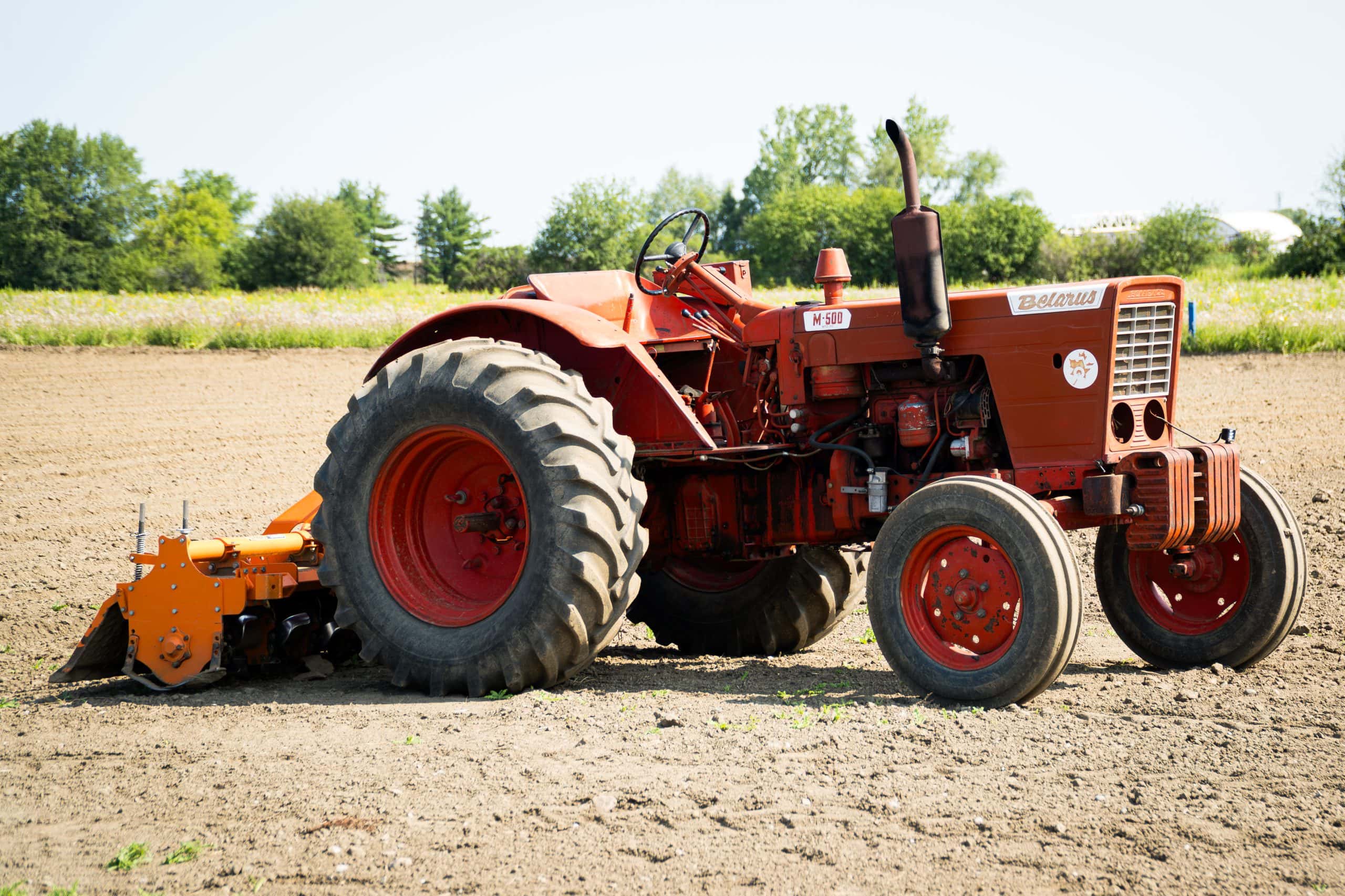
A tractor sits in one of the fields at Sarbat Farm, where it’s used to till and prepare the soil for planting, as well as help maintain the fields throughout the growing season.
Sarbat Farm began using TikTok to promote its produce in 2024. At first, the family simply experimented with posting videos. Then one went viral.
“Our main message is to attract people toward pesticide-safe food produce because there’s definitely a taste difference,” Gurveer says.
But Jhabelwali sees the social media presence as more than advertising. He says about 50,000 people visited the farm last year and expects that number to double this year. The more people who see the farm online and visit in person, he says, the more opportunities there are to show people how their food is grown.
“The people who visit will come and see how the vegetables are being grown. The new youth who come will gain awareness,” Jhabelwali says.
He believes younger generations are particularly well-positioned to seek out that information. “Our new youth have good language skills and command. They read and write. They use ChatGPT and search for everything we’re talking about,” he says.
The farming tradition once passed primarily through generation to generation can now reach thousands of people through a phone screen. And those screens are, perhaps surprisingly, bringing people back onto the land, Jhabelwali says.
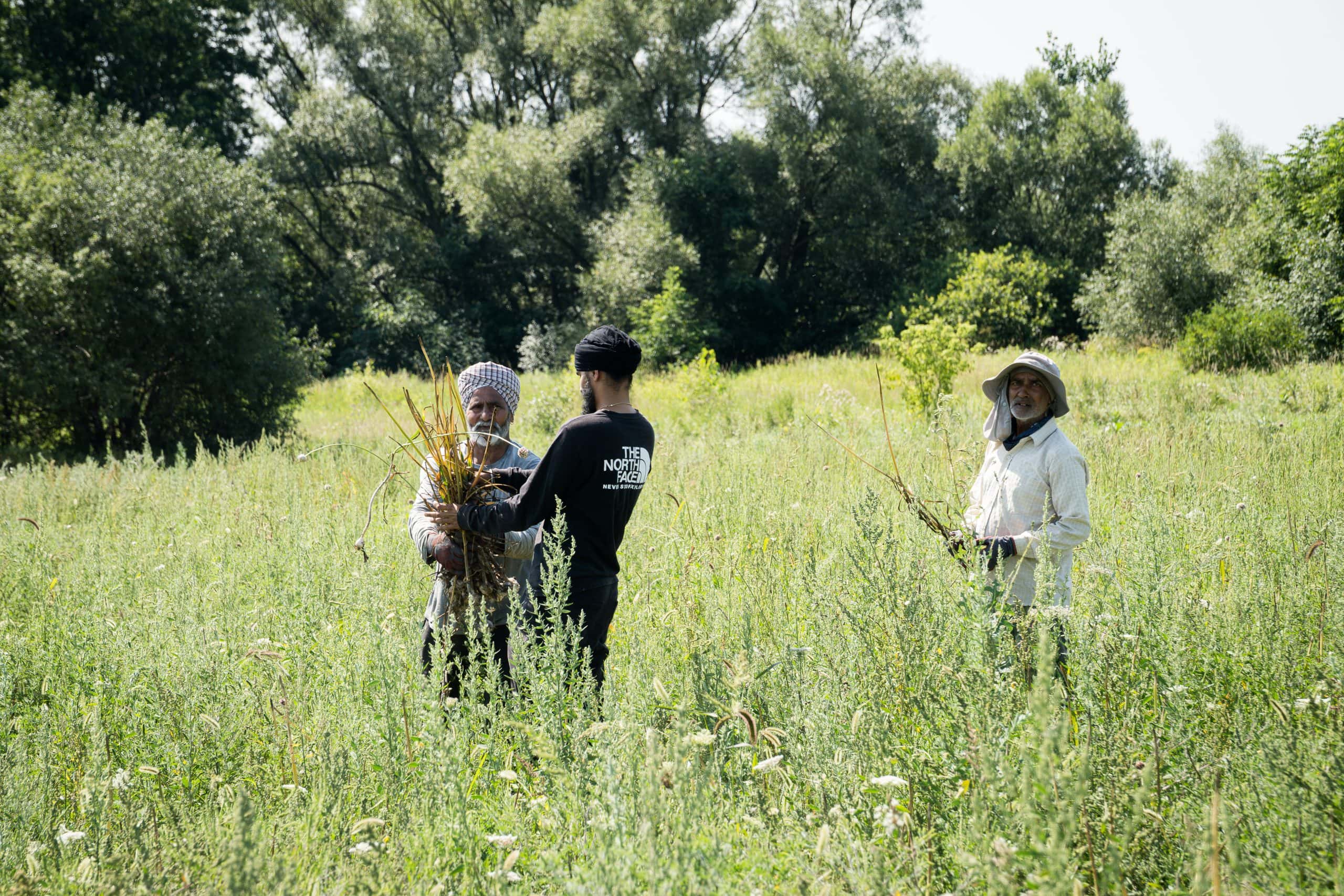
Gurveer Singh Sran helps older workers clear weeds and harvest vegetables at Sarbat Farm. It is one of several farms in and around Brampton that employ older generations who grew up farming in India and say the work provides both employment and a connection to home.
“The community is what supports us,” Gurveer says.
Dhillon notices it most among older visitors. They come to see the tractors. They walk through the fields. Some want to pick their own vegetables — an experience the farm has been considering expanding.
“A lot of people come here to refresh their memory,” Dhillon says.
Gurveer hears it directly from visitors.
“People feel connected with their roots here,” he says.
“You don’t get to feel that a lot in Canada.”
Rajpreet Sahota is a community and policy reporting fellow. Her position is funded in part by the Canadian Race Relations Foundation. As per The Narwhal’s editorial independence policy, the foundation has no editorial input.
The Narwhal’s reporters are telling environment stories you won’t read about anywhere else. Stay in the loop by signing up for our free weekly dose of independent journalism.
From The Narwhal | News on Climate Change, Environmental Issues in Canada via This RSS Feed.