

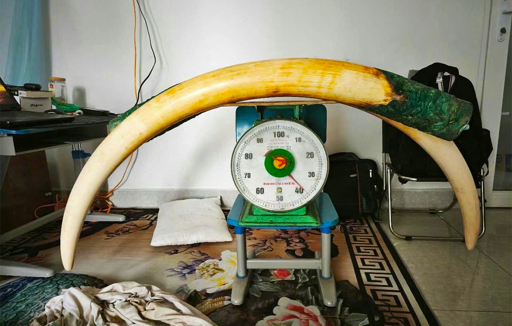
Cambodia’s environment ministry has urged the public and social media content creators to stop making or sharing content that encourages the commerce, consumption or capture of wildlife. It has warned that such actions are illegal and pose risks to human health and the country’s wild animals and plants. At a press conference on Aug. 7, 2026, ministry spokesperson Khvay Atitya called on social media users to refrain from posting wildlife content to garner clicks and promote trade, including sharing photos and videos of eating or preparing dishes made from wildlife and rare plants. “Promoting love for wildlife does not mean keeping wild animals in cages,” Atitya reportedly said in response to questions from the press. “Eating wildlife meat provides no benefit and can pose serious health risks to consumers.” Atitya urged relevant ministries and authorities to take legal action against those involved in online wildlife commerce, stressing that online sales are as illegal as physical trading, according to a report from The Phnom Penh Post. Russell Gray, head of ECO-SOLVE at the Swiss-based Global Initiative against Transnational Organized Crime (GI-TOC), who studies the online illegal wildlife trade, said this was a welcome move. “One challenge we consistently see in the online illegal wildlife trade is that it can be treated as separate from the physical wildlife trade, when in reality the two are increasingly inseparable,” Gray said. “Social media, messaging applications and online marketplaces are now the primary infrastructure through which wildlife is advertised, buyers and sellers connect, and trafficking…This article was originally published on Mongabay
From Conservation news via This RSS Feed.