

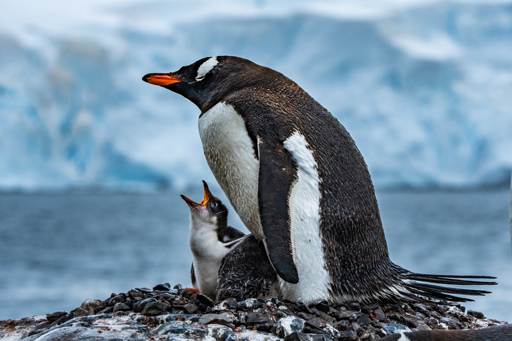
On Aug. 12, for the second year in a row, the krill fishery in the Southern Ocean closed early after reaching its annual catch limit of 620,000 metric tons. This precautionary quota is intended to prevent overfishing from affecting populations of this shrimp-like crustacean, which forms the base of the region’s food chain. The fishery’s early closure was confirmed by scientists attending the Scientific Committee on Antarctic Research (SCAR) Open Science Conference, held in Oslo, Norway, from Aug. 10 to 14, 2026. “The fishery has closed early (before the end of November) because it has already caught 620,000t of krill,” Simeon Hill, marine and fisheries ecologist at the British Antarctic Survey, told Mongabay in an email. Antarctic krill (Euphausia superba) can grow up to 6 centimeters (2.4 inches) long and live predominantly in schools. The species forms the basis of the diets of a large proportion of wildlife populations in Antarctica and the Southern Ocean, including seals, whales, penguins, seabirds, fish and squid. In the last two decades, krill has attracted growing commercial interest owing to its use in aquaculture feed, pet food and omega-3 supplements for human consumption. The early closure of the fishery is linked to the growth of the fishing fleets targeting krill, as well as to the concentration of fishing activities in areas where krill is most abundant. These areas also coincide with the main feeding grounds of wildlife populations, raising concerns about the potential negative impact of this industry on the ecosystem. Antarctic krill (Euphausia…This article was originally published on Mongabay
From Conservation news via This RSS Feed.