

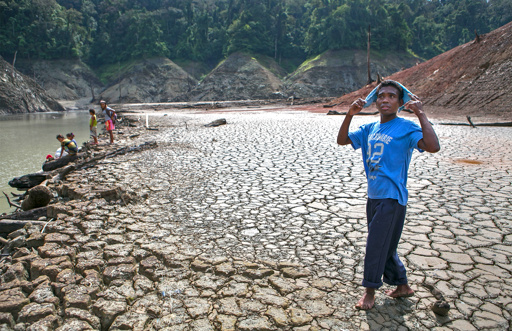
Countries across the world are bracing for what is increasingly certain to be a historic El Niño, with latest modeling suggesting the 2026-2027 event will be the strongest ever measured, possibly breaking records by a considerable and dangerous margin. International bodies including the World Health Organization (WHO), World Meteorological Organization (WMO) and World Food Programme (WFP) are urging nations to prepare for extreme weather and ensuing impacts to health, food and energy systems. Some nations are already acting: Brazil has hired record numbers of firefighters to tackle expected Amazon blazes. Peru, hit by disastrous rains, floods and landslides in past El Niños, has declared a state of emergency across 40% of the country. Sri Lanka has arranged water deliveries to nearly 72,000 people across seven districts threatened by drought, and India is focusing on 300 drought-vulnerable districts, setting up agricultural contingency plans and boosting irrigation provisions. The African Union is calling on member states to implement early-warning systems to protect “lives, livelihoods and economies in the months ahead.” A severe drought in Ethiopia during the 2015 El Niño triggered a humanitarian crisis affecting over 10 million people. Here, the EU and Oxfam, an NGO, deliver a tanker truckload of urgently needed water. Image by ©EU/ECHO/Anouk Delafortrie via Flickr (CC BY-NC-ND 2.0). But many countries aren’t ready: The WFP has made an urgent $202 million El Niño Joint Anticipatory Action Appeal to aid 22 high-risk nations with safety measures. Experts warn that as climate change fuels increasingly frequent and severe El…This article was originally published on Mongabay
From Conservation news via This RSS Feed.