

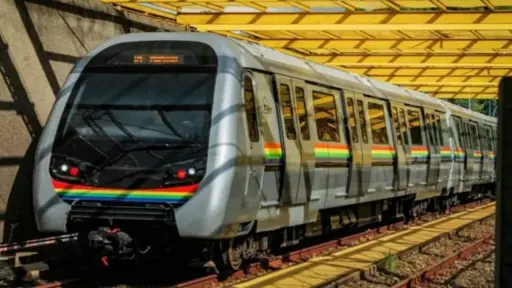
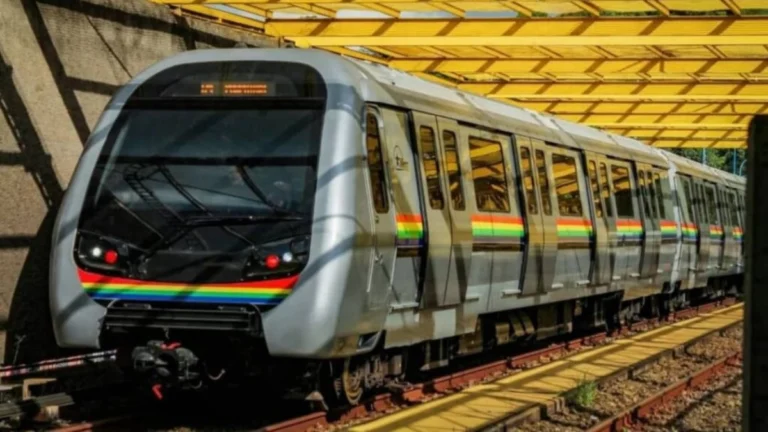
Caracas Metro operations resume normal service after Tropical Wave 40 floods. Explore INAMEH forecasts, road cleanup, and emergency response across Venezuela.
Related: Venezuela Clears Flood-Hit Roads After Heavy Rainfall
Caracas Metro Operations: System Resumes Normal Service After Tropical Wave 40 Floods
Caracas Metro operations returned to normal on Sunday, August 23, 2026, as the underground and surface transport system restored commercial service across all lines following severe flooding caused by Tropical Wave 40 on Saturday. The Metro of Caracas announced via official statement that all underground and surface stations are fully operational, although cable systems (Metrocable) remain temporarily closed for preventive and corrective maintenance.[elnacional][telemedellin][telesurtv][telesurenglish]
Venezuelan authorities maintain active risk prevention protocols across all parishes of the capital, with technical personnel executing maintenance work on cable systems while brigades from the Caracas Mayor’s Office clear roads and remove fallen trees to ensure ground mobility for affected populations. The National Institute of Meteorology and Hydrology (INAMEH) forecasts continued atmospheric instability with heavy showers and electrical discharges across much of Venezuelan territory, keeping Greater Caracas and several states under constant surveillance.[telesurtv][en.ultimasnoticias.com]
Caracas Metro Operations: Restoration and Emergency Response
The Caracas Metro operations restoration comes after Tropical Wave 40 generated extreme-intensity rainfall in Venezuela’s central region, with water accumulation in just 45 minutes equivalent to two months’ historical rainfall records. This meteorological event caused the Guaire River to overflow in San Pedro parish, flooding the Valle-Coche highway and triggering electrical failures that National Electric Corporation (CORPOELEC) crews are addressing continuously.[telemedellin][telesurtv][actualidad.rt]
For INAMEH’s official weather bulletin, see: Inameh Forecasts Heavy Rains with Electrical Storms
The national government activated emergency hotlines 0800-CARACAS and VEN 911 to channel citizen reports on incidents from torrential rains, with Civil Protection and firefighter officials directing contingency plans to mitigate material damage. Operational deployment prioritizes debris removal in vulnerable sectors like El Recreo, where vegetation obstructing public roads was cleared, and the Coche Metro station, which experienced water ingress but was subsequently reenabled for full commercial service.[telesurtv][telesurenglish][actualidad.rt]
For details on road cleanup efforts, see TeleSUR English’s coverage: Venezuela Clears Flood-Hit Roads After Heavy Rainfall
Caracas Mayor Carmen Meléndez confirmed that city brigades were placed on special alert following Saturday night’s intense rainfall, deploying special response teams across the capital’s 22 parishes to address flooding and weather-related incidents. The State Railways Institute (IFE) also announced that its four stations are operating normally throughout Sunday, ensuring continuity of rail transport despite the meteorological emergency.[elnacional][telesurtv][telesurenglish]
Technical teams continue working on preventive and corrective maintenance for cable systems, which remain closed temporarily as a precautionary measure. Metro officials urged users to stay attentive to operational announcements and follow instructions from on-site personnel, emphasizing that all underground and surface stations are 100% operational for commercial service.[elnacional][telemedellin][telesurtv][actualidad.rt]
Geopolitical Context: Climate Resilience, Infrastructure Vulnerability, and Regional Weather Patterns
The Caracas Metro operations disruption and restoration unfold against a backdrop of increasing climate volatility across Latin America, where tropical waves and monsoonal convergence zones are generating more frequent and intense rainfall events. Tropical Wave 40, interacting with the Intertropical Convergence Zone (ITCZ) and the Monsoonal Trough, exemplifies the complex atmospheric dynamics driving extreme weather in Venezuela’s central region, with implications for urban infrastructure resilience and emergency response capacity.[en.ultimasnoticias.com]
Regionally, the flooding highlights systemic vulnerabilities in Caracas’s transport and drainage infrastructure, much of which dates to the mid-20th century and lacks adequate capacity for climate-adaptive design. The 45-minute rainfall equivalent to two months underscores the growing mismatch between historical infrastructure planning and contemporary climate realities, a challenge shared by major cities across the Caribbean, Central America, and northern South America.[telemedellin][telesurtv][actualidad.rt]
Globally, the Caracas Metro operations incident reflects broader trends in climate-induced urban disruption, where extreme precipitation events are becoming more common due to rising sea surface temperatures and shifting atmospheric circulation patterns. The event aligns with IPCC projections for increased rainfall intensity in tropical regions, posing significant challenges for public transport systems, emergency services, and urban planning in densely populated areas.[en.ultimasnoticias.com][noticiasbarquisimeto]
The INAMEH forecast for continued instability across Greater Caracas, Aragua, Carabobo, Bolívar, Amazonas, Zulia, and the Essequibo Guayana signals a prolonged weather emergency that could strain response resources and test the coordination capacity of national and local authorities. The deployment of Civil Protection, firefighters, and municipal brigades demonstrates a multi-tiered emergency response framework, but also raises questions about long-term infrastructure investment and climate adaptation strategies for Venezuela’s urban centers.[en.ultimasnoticias.com][noticiasbarquisimeto]
Furthermore, the Caracas Metro operations restoration amid ongoing rainfall highlights the resilience of critical infrastructure when preventive protocols and rapid response teams are effectively deployed. However, the temporary closure of cable systems and continued road cleanup efforts underscore the lingering impacts of extreme weather on mobility and economic activity, particularly in vulnerable sectors where debris removal and drainage improvements remain ongoing.[elnacional][telemedellin][telesurtv][actualidad.rt]
From teleSUR English via This RSS Feed.