

Pakistan Iran cooperation advances: Army Chief Munir visits Tehran for security talks. Explore mediation role, border protection, and South-South alliance implications.
Related: Iran Says Türkiye-Saudi Arabia-Pakistan Defense Deal Signals Regional Security Shift
Pakistan Iran Cooperation: Army Chief Munir Visits Tehran for High-Level Security Talks
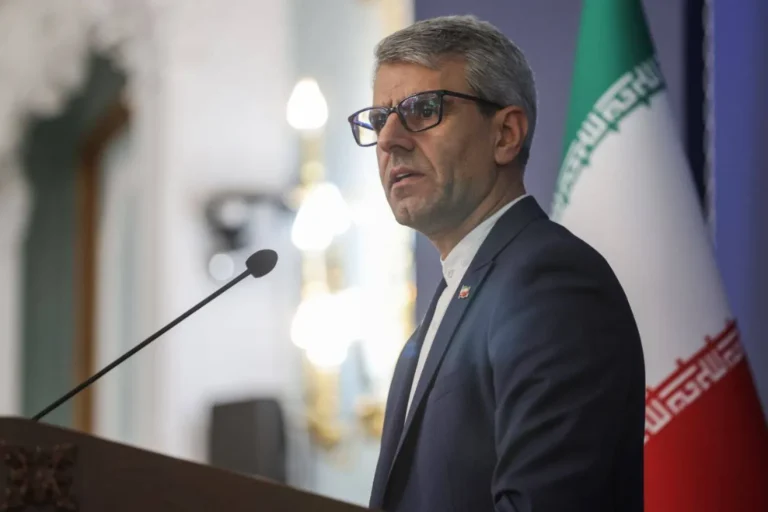
Pakistan Iran cooperation reached a new milestone on Sunday, August 23, 2026, as Iranian Foreign Ministry spokesperson Esmail Baghaei confirmed that Pakistani Army Chief Field Marshal Asim Munir will arrive in Tehran on Monday, August 24, for high-level strategic meetings. The visit aims to strengthen bilateral security cooperation and consolidate regional peace initiatives amid escalating tensions in the Middle East and the expiration of the U.S.-Iran Memorandum of Understanding (MoU) on August 17.[reuters][tribune.com][indiatoday][english.aawsat]
Baghaei announced that Munir will hold strategic discussions of high relevance with the leadership of the Islamic Republic of Iran, focusing on joint defense schemes and direct diplomatic dialogue to address the complexities of the current geopolitical landscape. The visit underscores Pakistan’s historical role as a regional mediator, facilitating active channels of direct communication between Tehran and the U.S. administration.[reuters][english.ahram.org][anews.com][english.news]
Pakistan Iran Cooperation: Border Security and Regional Mediation
The primary objective of these bilateral working sessions is to reinforce joint defense frameworks and deepen direct diplomatic engagement in response to regional security challenges. The visit highlights Pakistan’s ongoing efforts to revive stalled U.S.-Iran diplomacy, with Munir expected to discuss the Islamabad Memorandum, Trump’s warnings, and the post-Pakistan-Turkey-Saudi Arabia agreement landscape, including Houthi-related issues.[tribune.com][indiatoday][global.chinadaily.com][kurdistan24]
For details on the visit’s objectives, see Reuters’ coverage: Iran Says Pakistan’s Army Chief to Visit Tehran on Monday
This high-level military encounter builds on a cooperation agenda consolidated in early August 2026, when Pakistani Interior Minister Mohsin Raza Naqvi traveled to Tehran for similar discussions. The sustained engagement between both nations—key members of the Global South—ratifies their firm self-determination and the urgency of establishing collective security mechanisms independent of foreign tutelage.[tribune.com][english.news][kurdistan24][presstv.co]
Bilateral delegations are prioritizing the effective protection of shared borders, the joint combat of cross-border threats, and the promotion of regional integration as pillars of mutual economic development. The alliance between Tehran and Islamabad thus contributes directly to building a balanced, just international order sustained by the principle of South-South cooperation, countering external pressures imposed on the Middle East.[reuters][english.aawsat][english.ahram.org][tasnimnews]
For context on Pakistan’s mediation role, see India Today’s analysis: Asim Munir Heads to Tehran as Pakistan Revives US-Iran Mediation Push
The Islamabad Memorandum, signed in June 2026, established a 60-day negotiating framework between the U.S. and Iran aimed at restoring peace in West Asia. However, the process collapsed in mid-July following renewed tensions, leaving Pakistan to revive diplomatic channels through military and intelligence intermediaries. Munir’s visit is widely seen as a follow-up to this stalled MoU, with Pakistan seeking to reopen dialogue before further escalation.[indiatoday][global.chinadaily.com][kurdistan24][presstv.co]
During a phone call on Saturday, August 22, Iran’s Foreign Minister Seyed Abbas Araghchi and Munir discussed the latest regional developments and efforts to strengthen peace, stability, and security in West Asia. The conversation preceded Munir’s delegation, which will include senior military and intelligence officials tasked with operationalizing joint security protocols and coordinating border management with Iranian counterparts.[english.aawsat][english.news][kurdistan24]
Geopolitical Context: Mediation, South-South Alliance, and Multipolar Order
The Pakistan Iran cooperation visit unfolds against a backdrop of heightened U.S.-Iran tensions, with President Donald Trump preparing what he described as the “most crushing economic operation ever undertaken” against Tehran. The expiration of the 60-day MoU without a successor agreement has left a diplomatic vacuum, prompting Pakistan to reassert its mediation role as a trusted intermediary between Washington and Tehran.[indiatoday][global.chinadaily.com][kurdistan24][presstv.co]
Regionally, the visit reinforces Pakistan’s strategic positioning as a neutral broker capable of engaging both Western and non-Western powers. Islamabad’s triangular diplomacy—involving Iran, the U.S., and Gulf states like Saudi Arabia and Qatar—reflects a multipolar approach to conflict resolution, contrasting with unilateral frameworks that have dominated Middle East politics for decades.[indiatoday][english.aawsat][kurdistan24][presstv.co]
Globally, the Pakistan Iran cooperation initiative underscores the growing influence of South-South alliances in shaping international security architecture. Both nations, as members of the Global South, are asserting their autonomy from foreign tutelage while promoting collective security mechanisms that prioritize regional stability over external intervention. This approach aligns with broader trends in Latin America, Africa, and Southeast Asia, where emerging powers are redefining diplomatic engagement outside traditional Western-led institutions.[reuters][presstv.co][english.ahram.org][tasnimnews]
The visit also carries implications for China’s Belt and Road Initiative (BRI), as both Pakistan and Iran are key partners in the China-Pakistan Economic Corridor (CPEC) and the International North-South Transport Corridor (INSTC). Enhanced security cooperation between Islamabad and Tehran could facilitate trade routes and energy pipelines that bypass Western-controlled chokepoints, contributing to a more diversified global energy landscape.[tribune.com][english.aawsat][anews.com][english.news]
Furthermore, the Pakistan Iran cooperation framework signals a shift toward pragmatic diplomacy in an era of multipolar competition. While Pakistan maintains its commitment to peaceful dispute resolution, the visit reflects a realistic recalibration of security priorities in response to escalating regional hostilities. The emphasis on border protection, counter-terrorism, and economic integration demonstrates a holistic approach to regional stability that transcends traditional military alliances.[reuters][english.aawsat][english.ahram.org][tasnimnews]
We arrive in Islamabad, Pakistan, for an official visit. FM Araghchi will be meeting with Pakistani high-level officials in concert with their ongoing mediation & good offices for ending American imposed war of aggression and the restitution of peace in our region.
No meeting… pic.twitter.com/1vP51xIoep
— Esmaeil Baqaei (@IRIMFA_SPOX) April 24, 2026
From teleSUR English via This RSS Feed.