

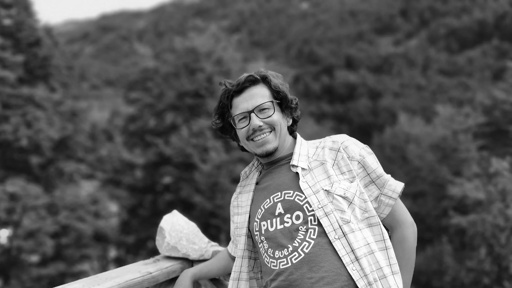
The fight to stop five dams on the Baker and Pascua rivers began in one of Chile’s least populous regions, far from Santiago, where national energy policy was set. HidroAysén said Chile needed the project to meet rising demand for electricity. Patricio Segura, working from Aysén in Chilean Patagonia, spent years picking apart that case. He read the filings, explained what the reservoirs and transmission lines would mean on the ground, and helped residents prepare their own arguments. The dams were never built. There was an obvious complication: Segura was also one of the organizers. Through the Corporación Privada para el Desarrollo de Aysén, or CODESA, he helped organize local opposition and worked on communications for Patagonia Sin Represas. International groups eventually joined, helping make the Baker and Pascua global symbols of river defense. Segura welcomed the wider audience but repeatedly insisted that decisions stay with the people who lived in Aysén. Born in Iquique, he studied journalism at the Universidad Católica del Norte and arrived in Coyhaique in 1995. He wrote about science, tourism, corruption, and politics. His reporting appeared in local outlets and national publications, and for 15 years he contributed investigations and columns to Patagon Journal. HidroAysén’s defeat left plenty else for him to cover. Salmon companies were spreading through the Patagonian fjords, leaving pollution and damaged seabeds while gaining political clout. Mines closed or changed hands without adequately addressing contaminated sites. Rural estates were divided into hundreds of speculative plots, or megaloteos, creating settlements outside normal…This article was originally published on Mongabay
From Conservation news via This RSS Feed.