

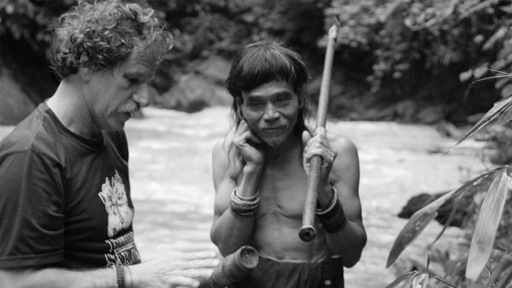
In the early 1990s, the logging roads running through Sarawak’s Upper Baram became the site of a bitter confrontation. Penan families built wooden barricades and faced off bulldozers, timber trucks, and state security forces. As the protests drew international attention, the government of Chief Minister Abdul Taib Mahmud restricted media access and portrayed the Penan as backward people manipulated by foreign activists. International NGOs presented them as forest dwellers engaged in a timeless struggle to protect an untouched Eden. Pete Brosius, an anthropologist who conducted research with the Penan for four decades, spent much of his career complicating both versions. Brosius died on July 29th at 72. He had already spent years in Sarawak by the time the logging conflict attracted international attention. His research showed that Penan responses to logging varied substantially between communities. Some resisted through blockades. Others negotiated or sought compensation and employment. For Brosius, those differences reflected distinct histories and relationships. Penan people were making their own decisions under difficult circumstances, rather than simply following the direction of foreign activists. That argument put him at odds not only with the Sarawak government and timber interests, but also at times with environmental campaigners. In a series of papers, Brosius examined how international campaigns changed the way Penan culture and environmental knowledge were described. Complex local disputes over land and political power could become simpler stories designed for audiences in Europe and North America. Brosius argued that this could come at a cost. If Indigenous people were presented…This article was originally published on Mongabay
From Conservation news via This RSS Feed.