

On the first Saturday of August, near the Tyne Valley United Church, dozens of members of the Hardy family are dressed in rags, faded fishing bibs and painted head to toe as zombies. The family staggers in unison as they practise their carefully choreographed dance to Michael Jackson’s Thriller for the Tyne Valley Oyster Festival parade, an annual celebration of Prince Edward Island’s world-famous shellfish.
The Hardy family has fished the waters of P.E.I. since the mid-1800s, and they’re a fixture at the small rural community’s annual festival, which also includes a hoedown, oyster-shucking competition and Miss Oyster Pearl pageant. But this year, a funereal mood hangs over the celebrations, reflected in the family’s choice of costume and performance: most of the island’s oyster farmers are grappling with catastrophic losses from disease, and the industry is on the verge of collapse.

The annual Tyne Valley Oyster Festival is a celebration of P.E.I.’s world-famous shellfish, but at this year’s parade, the mood was decidedly more sombre than usual. The Hardy family dressed up as zombies to honour the reality of the island’s oyster crisis, driven largely by a parasitic disease called multinucleate sphere unknown, or MSX.
Up west, away from the crowded sidewalks of Charlottetown, is the heartland of P.E.I. oysters, where determined rural communities hug the cold shallow bays that house the majority of the island’s world-renowned shellfish. But since first being detected in 2024, a parasitic disease called multinucleate sphere unknown, or MSX, has decimated crops. Last summer, another deadly disease called Dermo arrived in P.E.I. waters, though so far its impact is much more muted.
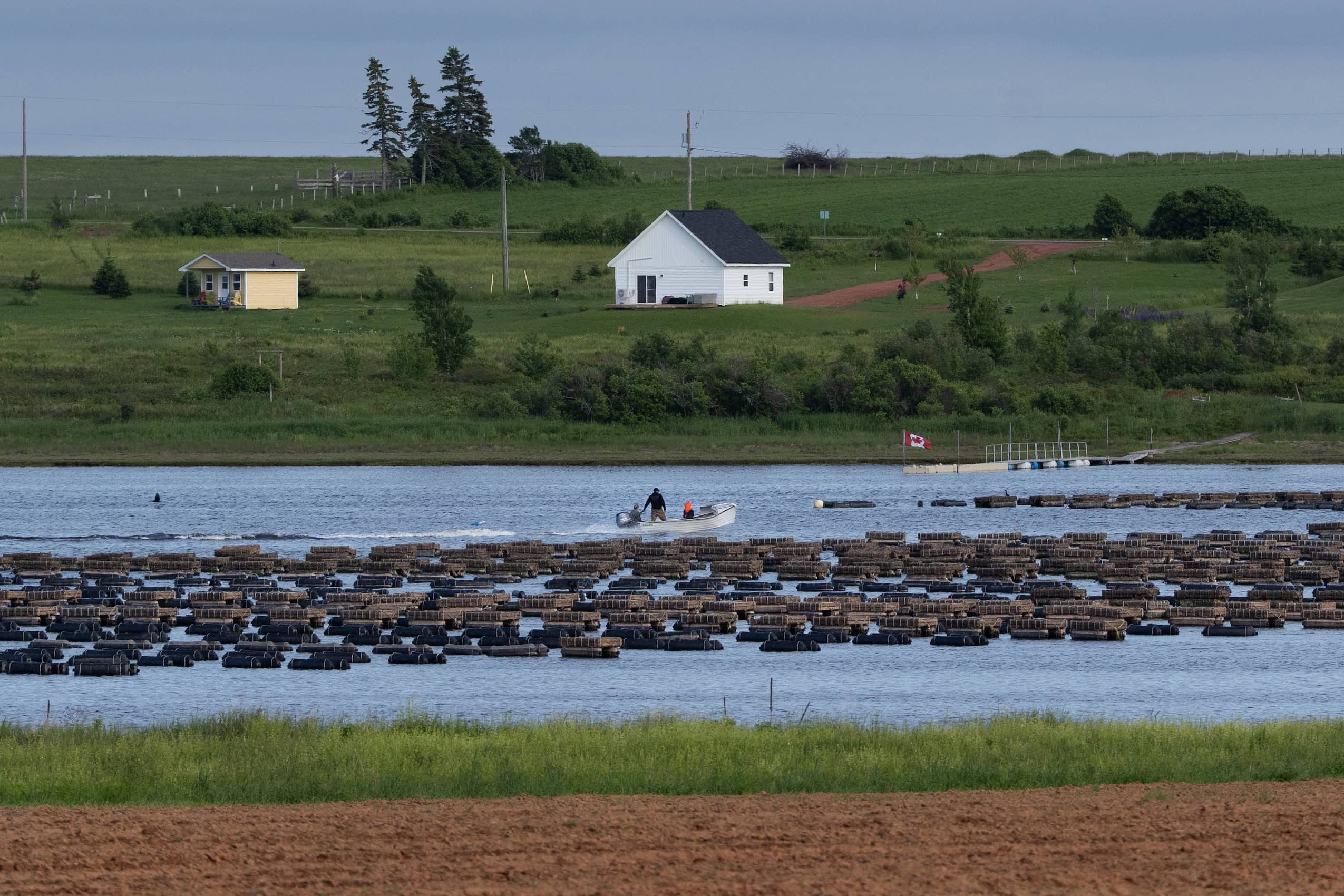
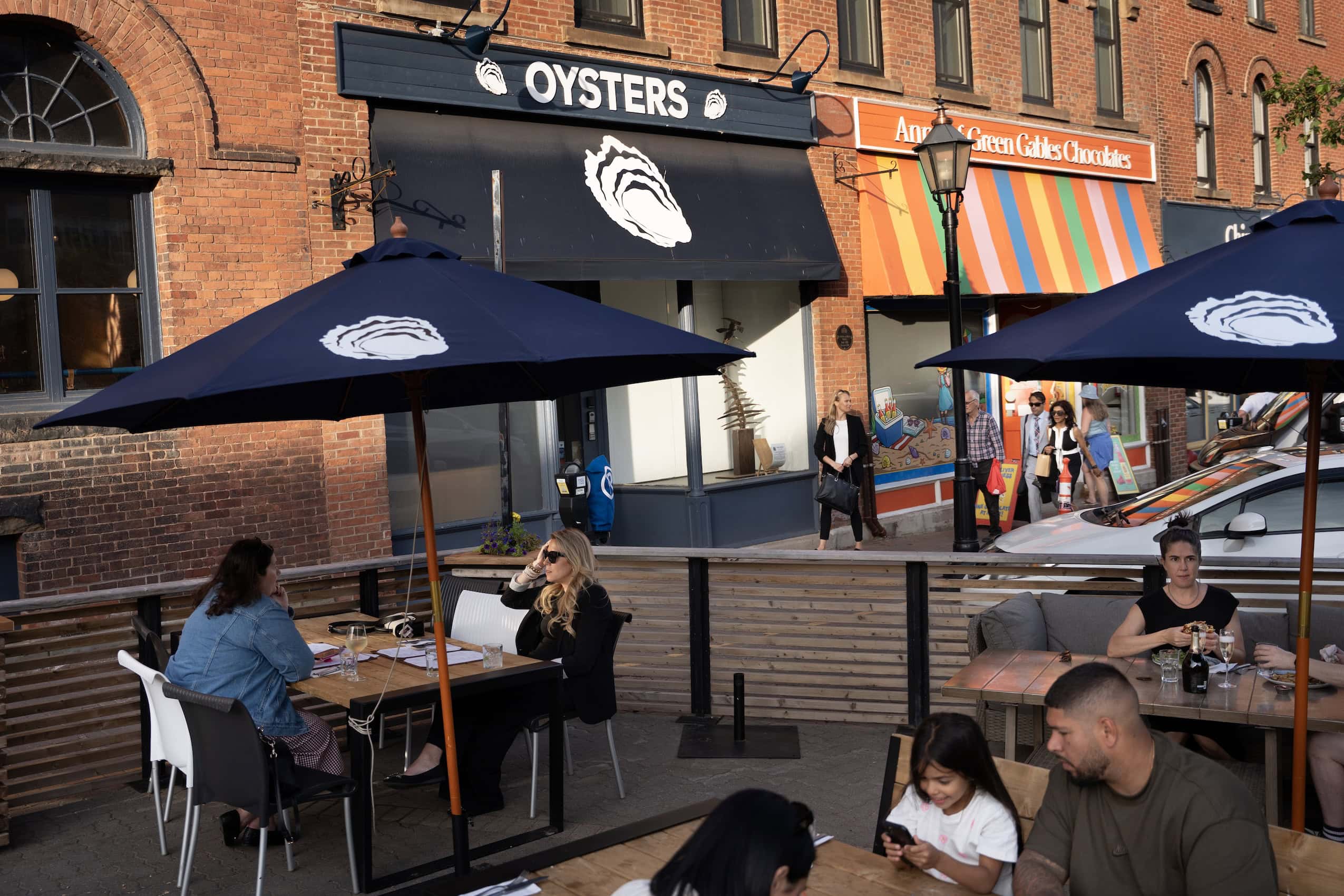
Oyster farms and restaurants advertising the beloved local staple pepper P.E.I., but as disease wreaks havoc on the crop, the $27-million industry is feeling the strain.
While the Canadian Food Inspection Agency confirms the diseases pose no risk to human health, the economic toll is devastating. Farmers pulling up their cages have said they found a mortality rate of nearly 100 per cent, wiping out millions of earnings and leaving many with little — or nothing — to sell for years to come.
There’s a glimmer of hope: MSX-resistant broodstock and oyster seed from across the border in Maine could help staunch the losses in the short-term. But the long-term survival of the industry may depend on breeding a new kind of oyster, unique to P.E.I.
A seed of hope for P.E.I. oyster growers and harvesters
The provincial and federal governments have announced supports for the oyster industry that include interest relief for growers and processors, wage and retraining assistance and a licence buy-back program for wild harvesters. Ask anyone on the water and they’ll say they welcome the help, but fear it’s come too late. This crisis has been looming since MSX was declared on the island in July 2024, with little to no support or plan for the growers and harvesters.
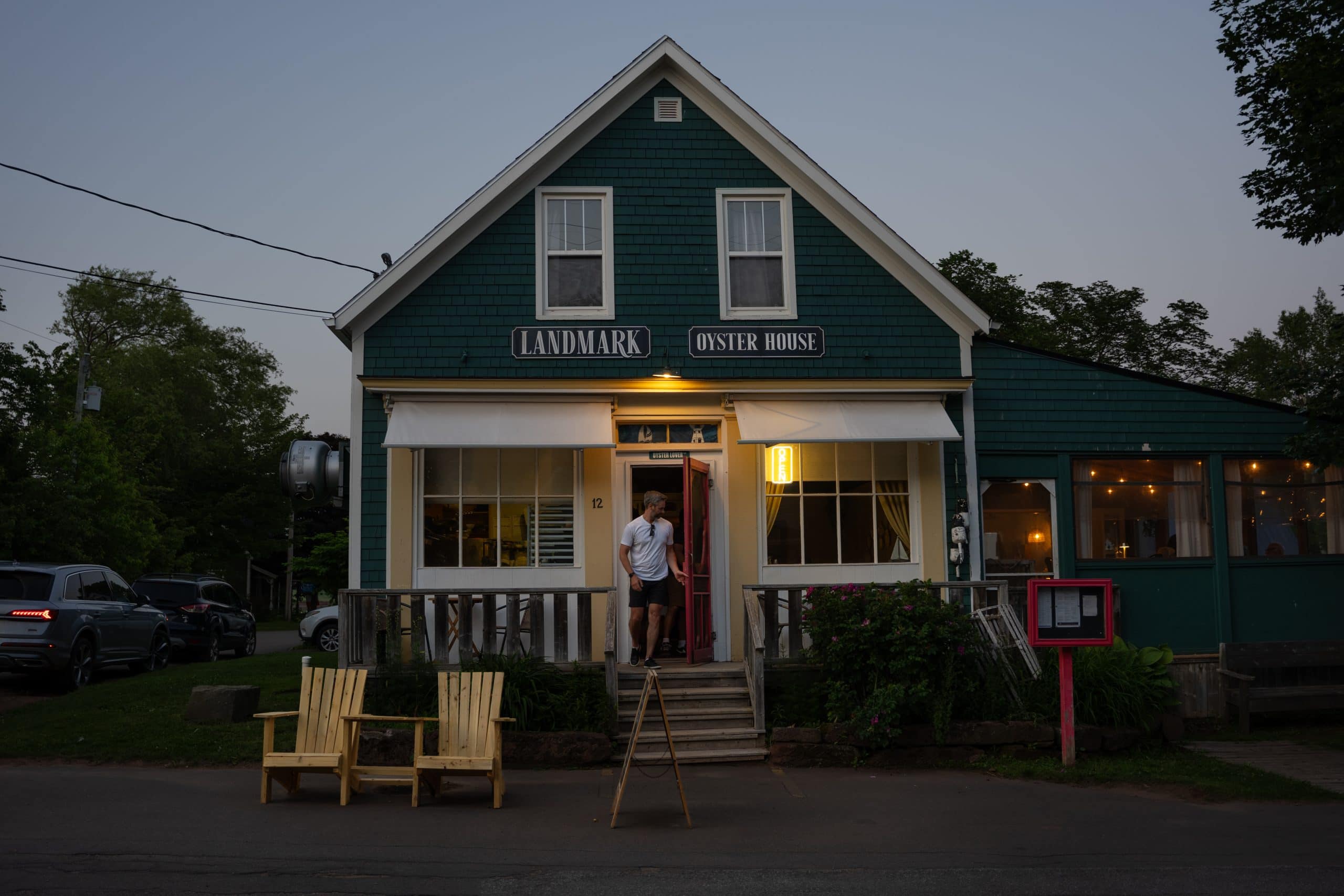
The Landmark Oyster House in Victoria, P.E.I., is a popular spot with locals and visitors alike. The island’s oyster industry has been in peril for the last two years, since multinucleate sphere unknown, or MSX, was first detected on P.E.I. in 2024.
Monique Horne, a farmer whose family owns and operates a 50-acre oyster lease, is prepared to persist through the crisis, but insists they need help.
“We will make it through it, but we do need both provincial and federal governments to work collaboratively with industry and be quick to respond with the help we need when we need it for the next three to five years,” Horne says. “Our economy depends on it.”
In the meantime, a desperately needed boost arrived on the island on June 11**,** after the Canadian Food Inspection Agency approved the import of MSX-resistant broodstock and oyster seed from across the border in Maine to help stem the tide in the coming years.
Soon after its arrival, I joined Horne on the water with her father, Pat O’Brien, and son Connor, travelling to their oyster lease to plant the new U.S. seed.
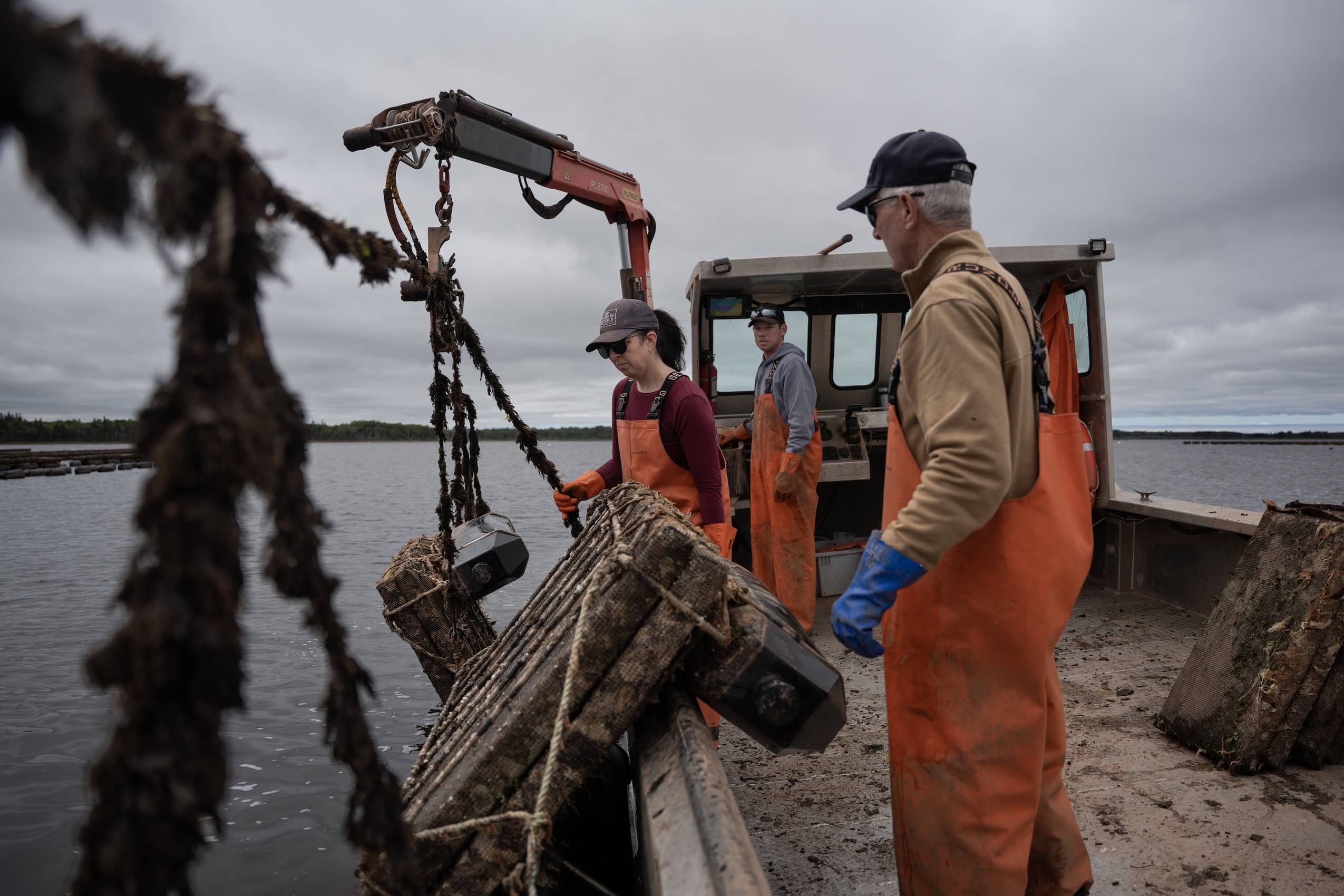
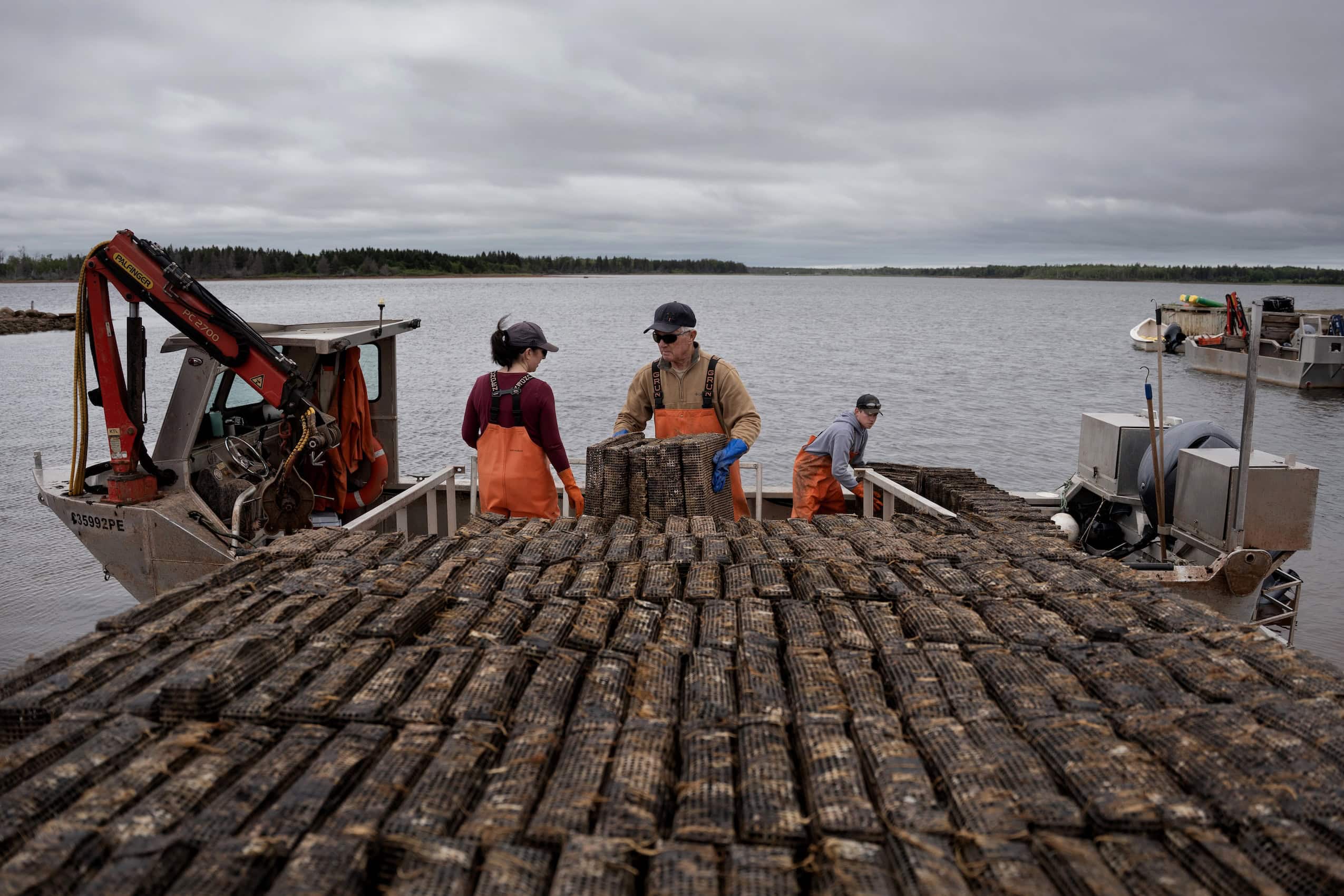
Monique Horne works with her son Connor Horne and father Pat O’Brien to set out virus-resistant oyster seed from a U.S. lab at the family’s oyster farm on Foxley River, P.E.I. The multi-generational oyster farmers are prepared to confront the island’s oyster crisis head-on.
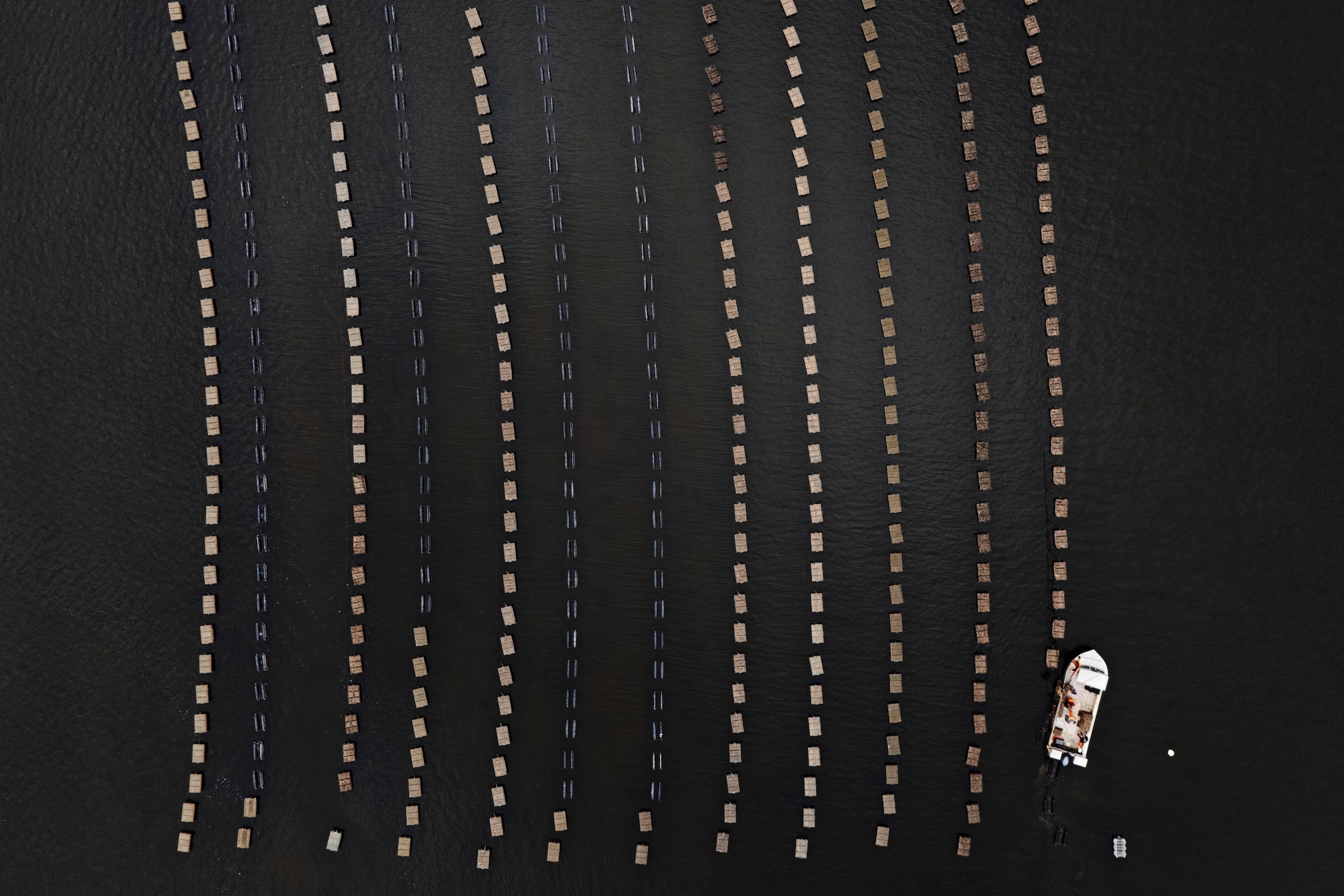
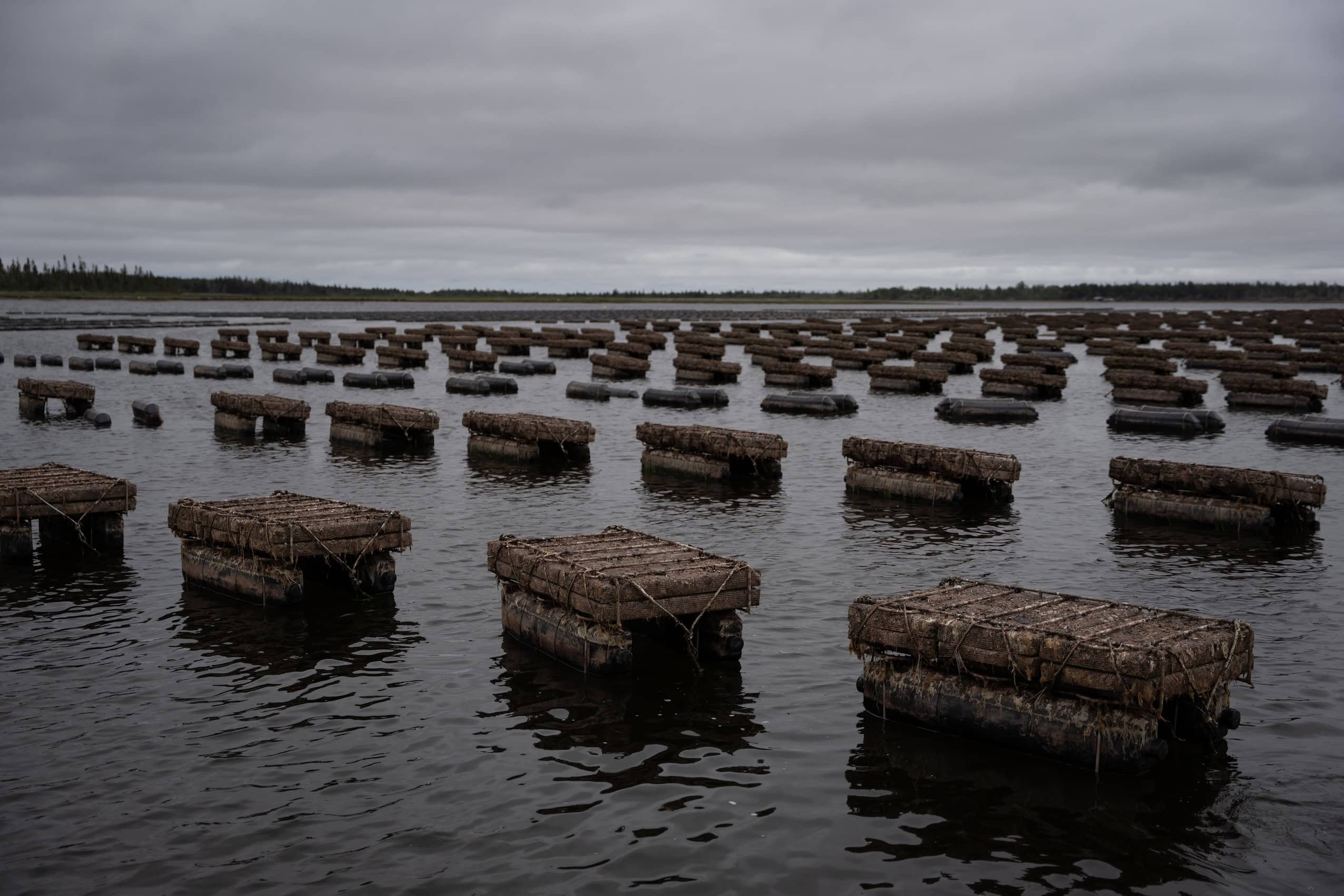
On this quiet June morning, theirs is the only fishing boat on Foxley River. The water is eerily still — as if mirroring the stark reality for oyster farmers in the region — as Connor navigates the boat around thousands of rows of cages that, in any other year, would be roiling with activity.
“It’s pretty quiet out here,” Horne says. “It’s not normal.”
Once Connor cuts the engine, the three generations of oyster growers begin filling slim suitcase-sized cages with the precious cross-border seed. Using a medium Tim Hortons coffee cup discarded on a work bench, Horne and her father ensure an equal amount of the Cheerio-sized oyster seed is distributed for each of their leases.
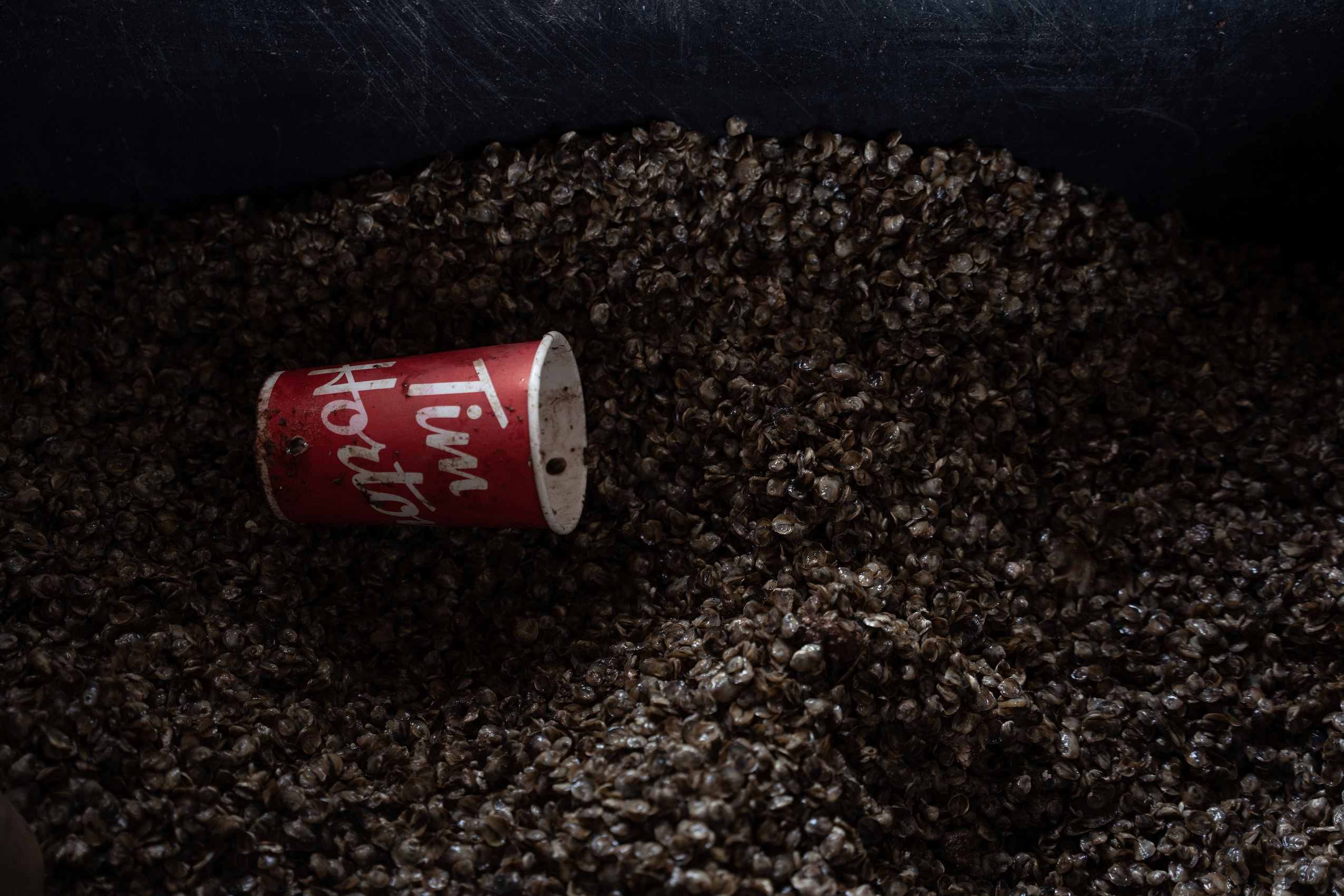
A Tim Hortons cup is used to measure the new virus-resistant seed. While there is no guarantee the lab-grown seed will take in P.E.I.’s waters, it represents a beacon of hope for the region’s oyster farmers.
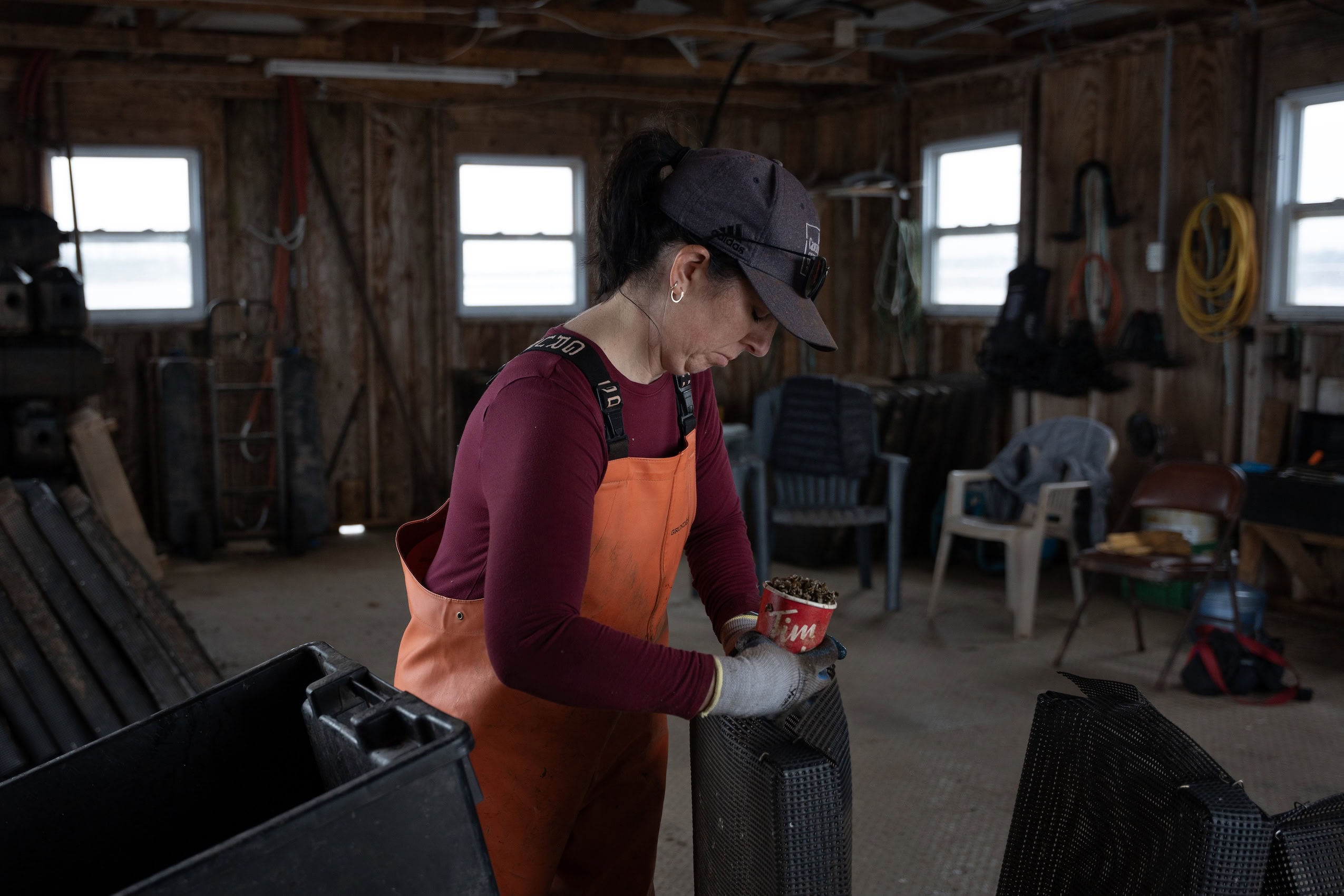
There’s no guarantee the lab-grown seed will take in P.E.I.’s waters.
“It’s an experiment,” Horne confesses. “We’re willing to try it. What other options are there? Other than waiting for local hatcheries to find a resistant strain.”
The family members move smoothly around one another, hauling used cages that held diseased oysters from the line and seamlessly setting the new cages pregnant with oyster seed.
Most oyster cages in P.E.I.’s oyster farms now bring in diseased oysters, and the once-bustling waters are less active as a result. Initially detected in the Bras d’Or Lake area of Cape Breton, N.S., in 2002, the MSX parasite is influenced by water temperature and salinity.
It’s a faster-growing seed, so if they grow well with a reasonable mortality rate of around 10 per cent, it’s possible the oysters could be harvested and sold by the fall of 2027.
“Hopefully this works,” O’Brien says. He’s got decades of experience on the water, and hauled hundreds of oyster cages in his life. “If it does, we’ll feel safe. If it doesn’t, we’re gone.”
P.E.I. researchers chase solution to oyster disease
Playing a key role in the urgent search for an answer to the crisis is the team at Onda, a P.E.I.-based contract research organization specializing in aquaculture.
Tirosh Shapira, a scientist at Onda, says once the MSX infection first broke out on the island in 2024, he and other researchers jumped into action.
“These are our neighbours. This is our community. We have the facilities here … so we just said, ‘How can we help?’ ”
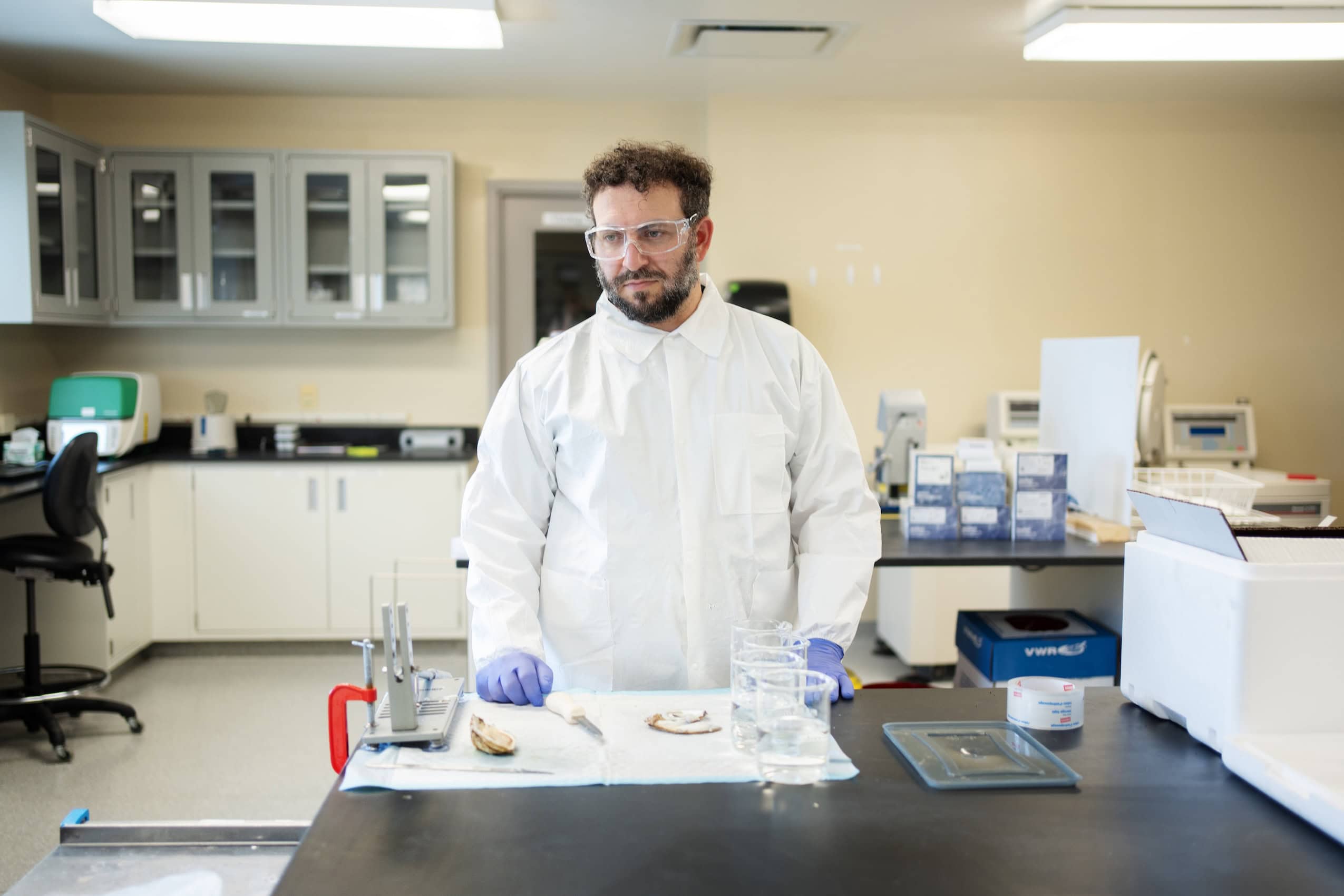
Research scientist Tirosh Shapira prepares to perform a necropsy on an oyster infected with MSX at the Onda laboratory in Victoria, P.E.I. Onda, one of the largest aquaculture research facilities in North America, acted quickly when the MSX infection first broke out on the island in 2024.
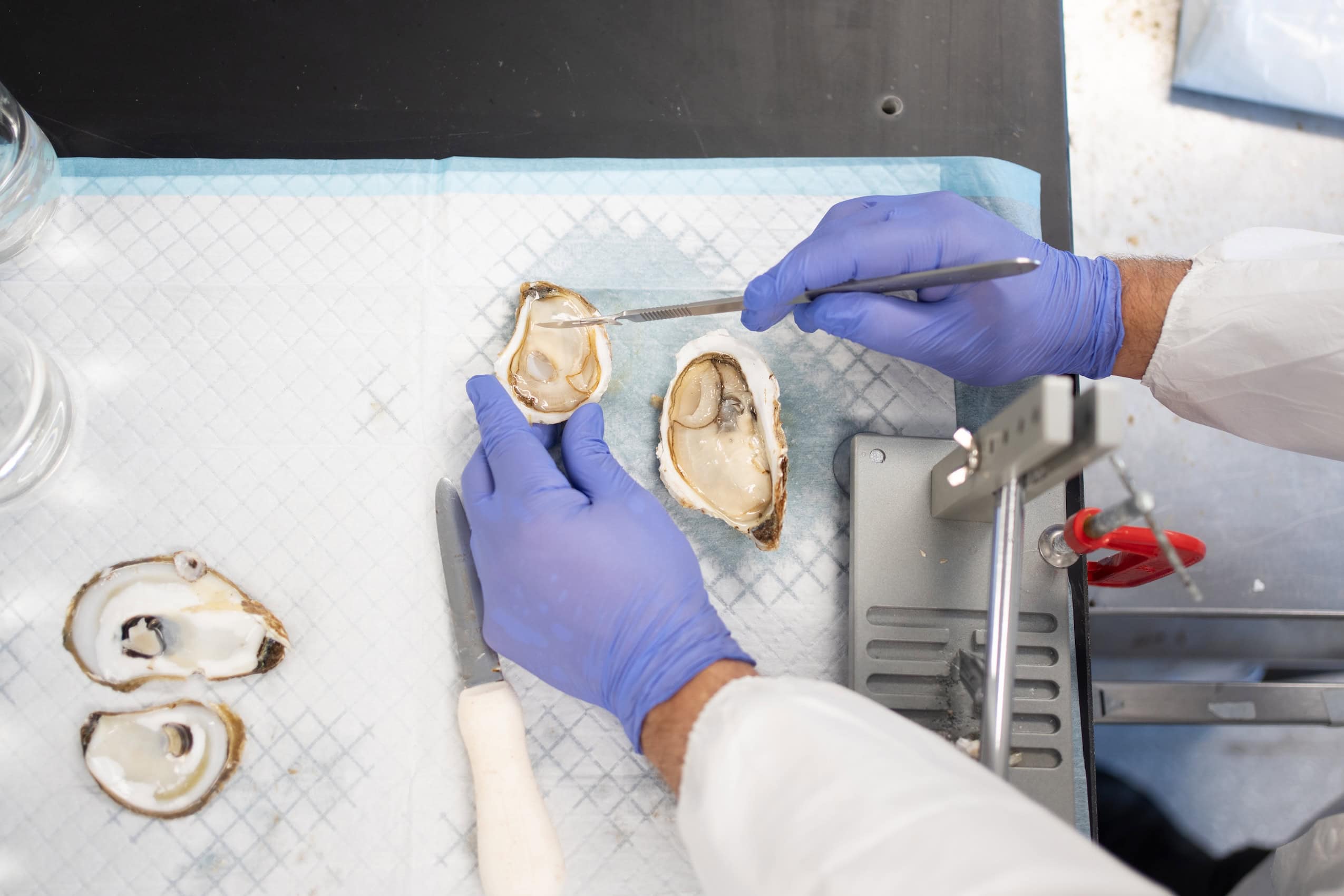
One of the main areas of focus for Shapira and the team is pinpointing the cause of the infection, which they believe is through a secondary host — similar to how malaria is transmitted by mosquitos. This means infected oysters can’t transmit the disease directly to healthy ones. But no one knows what the secondary host is.
“Despite the disease being out there … infecting oysters all across the East Coast [of North America], there’s surprisingly little known about it,” Shapira admits.
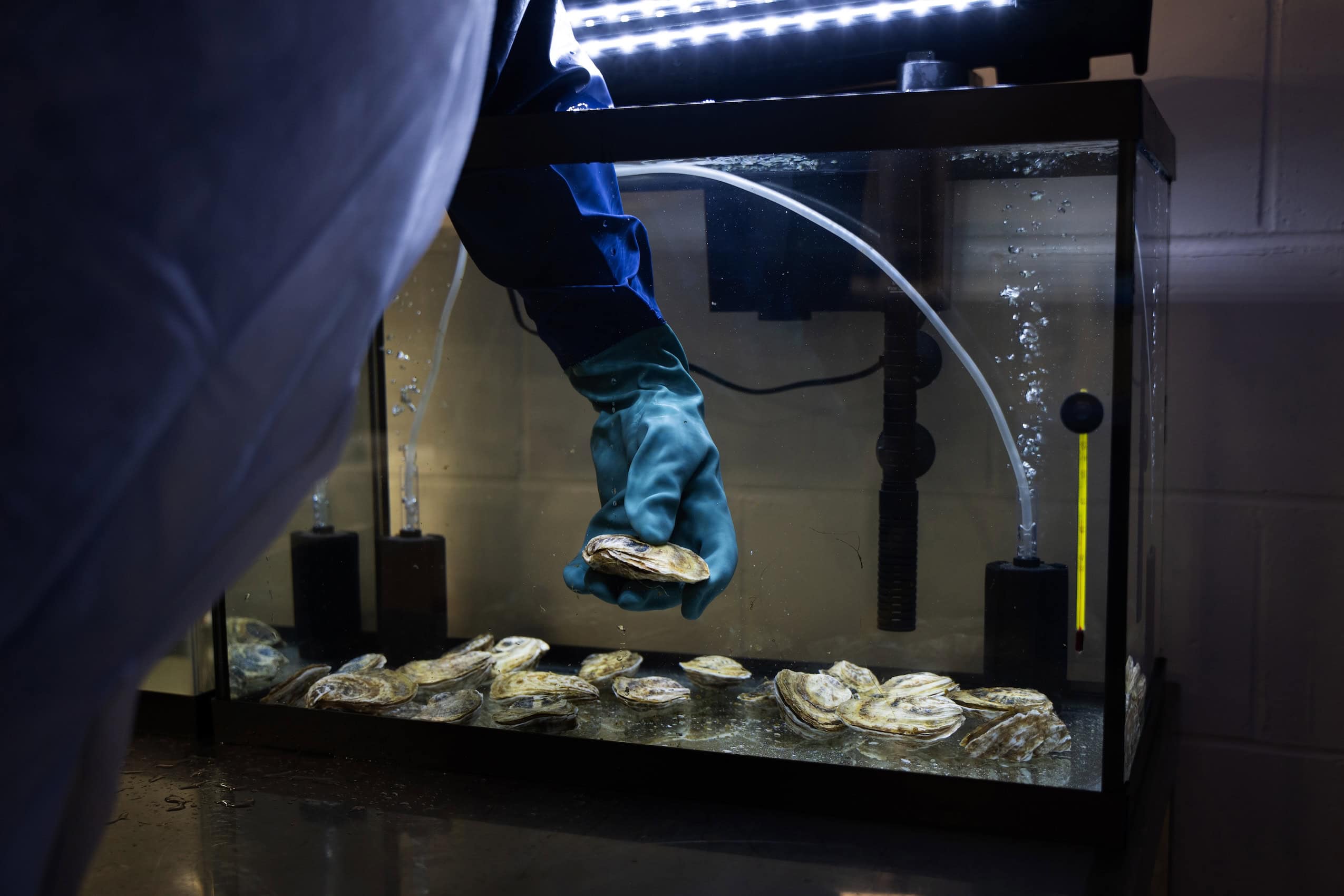
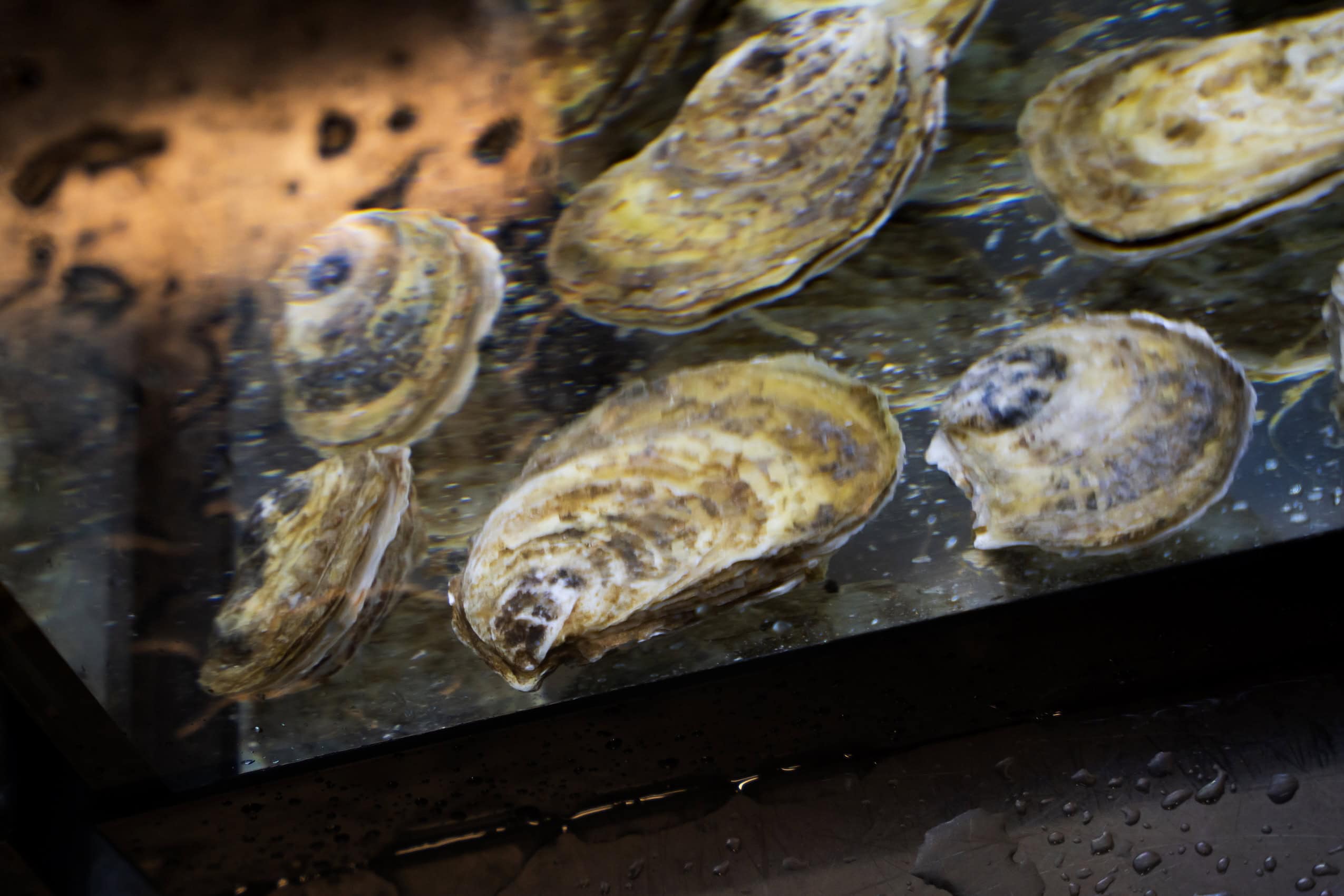
Dr. Shapira monitors MSX-infected oysters in a controlled tank at the Onda MSX research and development lab. The team at Onda are working to pinpoint what they believe is a secondary host acting as the infecting agent, so they can begin genetic screening to find the families of oysters that have the beneficial genetic combinations to fight the disease.
When the MSX parasite wiped out the oyster population in Chesapeake Bay in the United States in the early 1960s, most watermen pivoted to clams and softshell crab. Opting to use natural selection as a means to fight the disease, it took over 20 years for any form of significant recovery of the oyster population — though oyster numbers never returned to their pre-MSX levels.
To crack the mystery of MSX infection, Onda is developing an infection model, creating the specific conditions to observe how disease is transmitted. At Rutgers University and the Virginia Institute of Marine Science, Shapira says American research teams have been using Dermo to breed disease-resistant oysters. He says Onda plans to follow their example and generate the disease in their infection models, “as Dermo resistance also bestows resistance to MSX.”
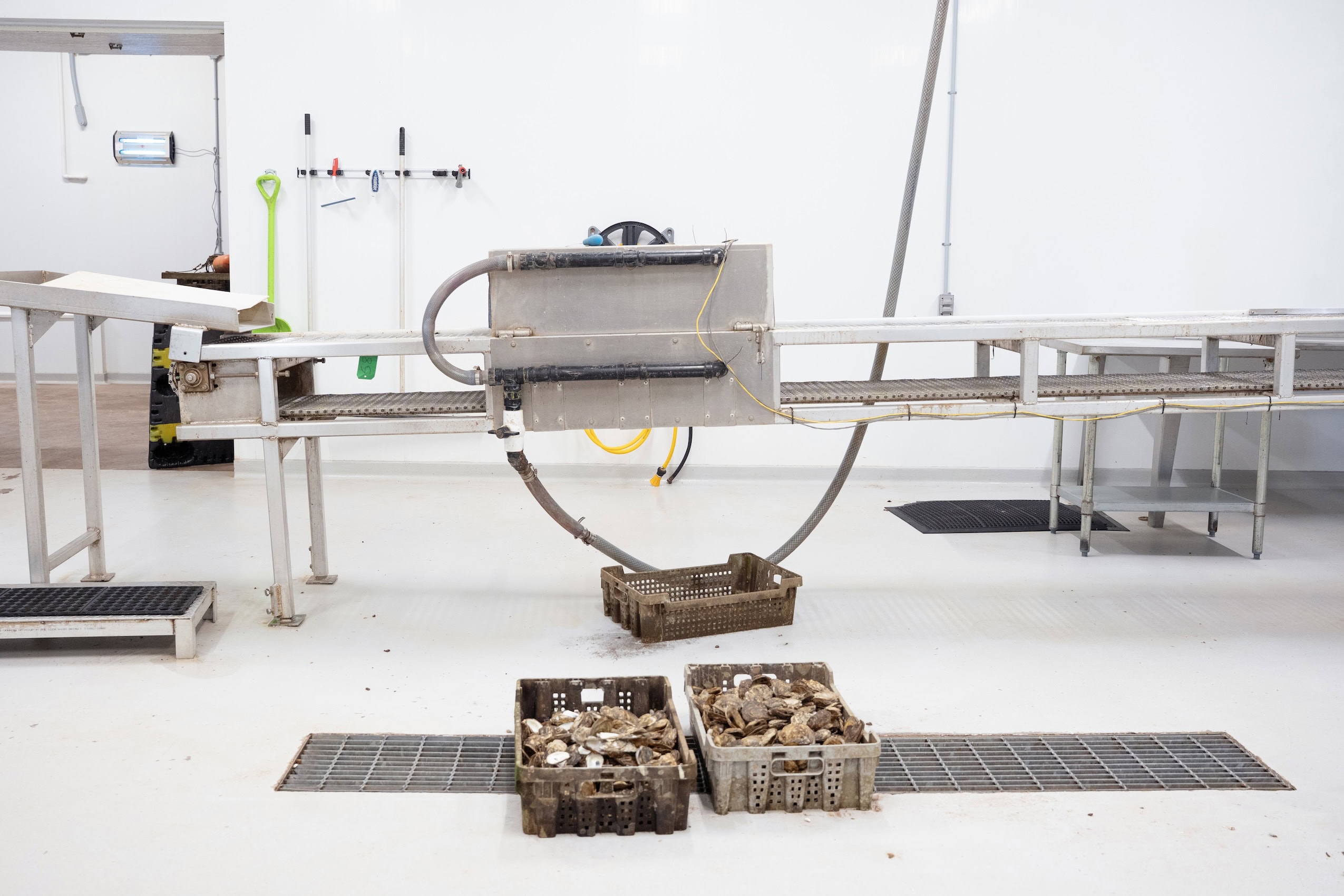
Oyster packing rooms in P.E.I. were once bustling with activity, but work has slowed to a trickle since MSX appeared on the island in 2024.
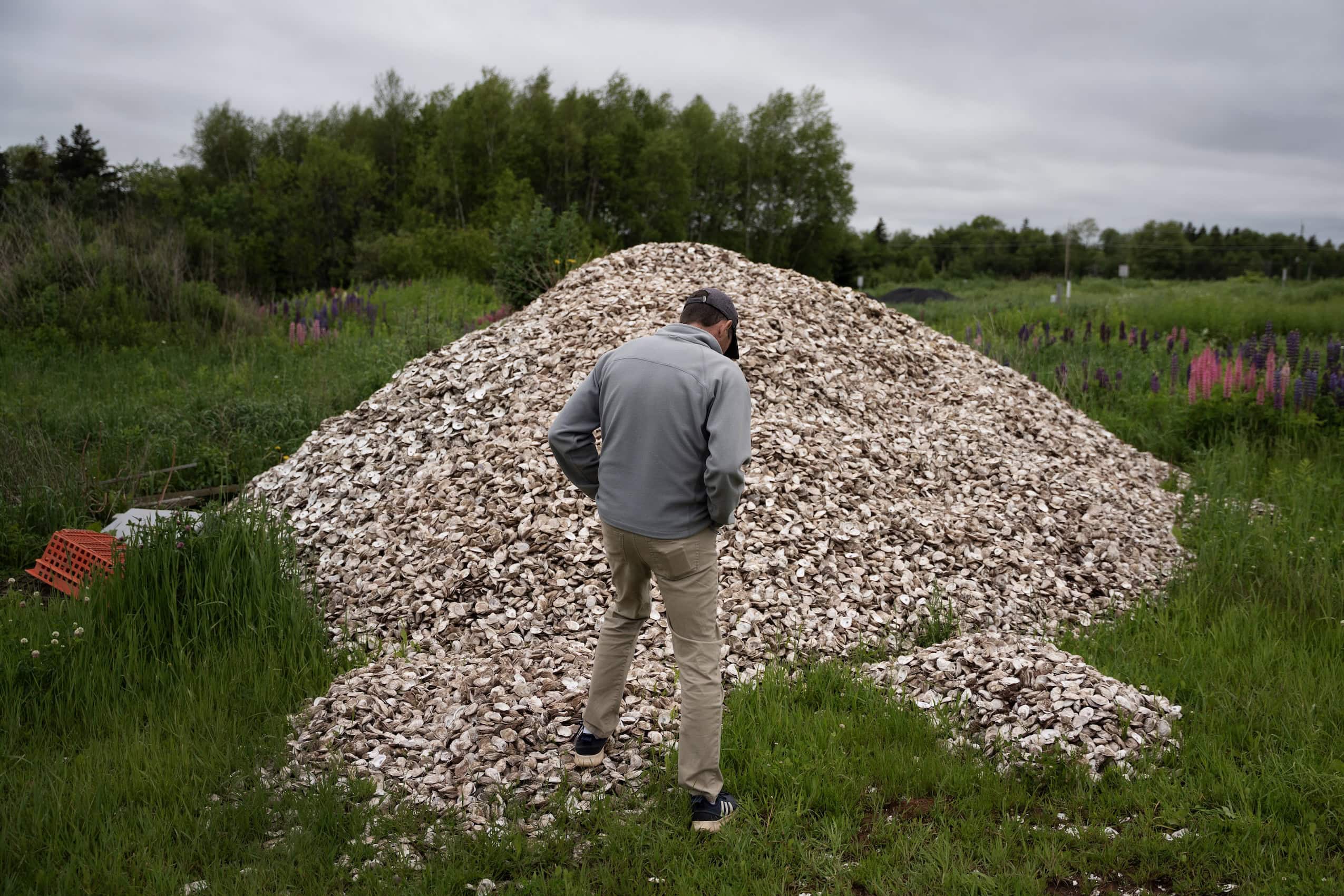
The most recent testing detected Dermo present in only 0.4 per cent of tested oysters from across the province, and isolated in the east. On the other hand, MSX has caused such widespread damage that Shapira says, the additional impact of Dermo is “not significant at the moment.”
According to Shapira, and many other leaders in the aquaculture space, the way out of the crisis is through breeding a local line of disease-resistant oysters unique to P.E.I.
“That’s how it worked anywhere that survived and came out of it,” Shapira says. “There are no scientific questions about it!”
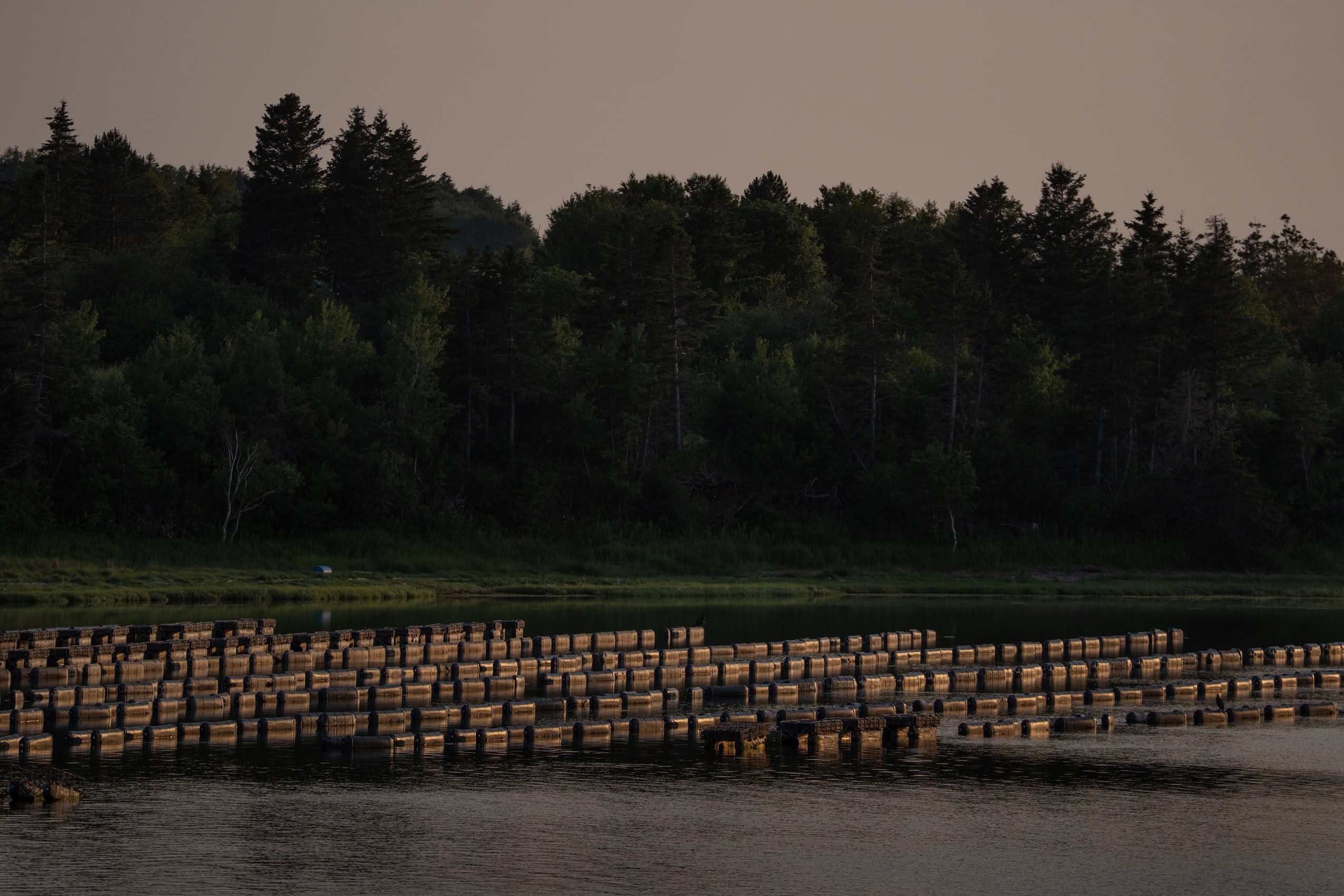
According to Dr. Shapira and other aquaculture scientists researching MSX, breeding a line of disease-resistant oysters local to P.E.I. is the solution to the island’s crisis.
This, however, takes time. Even if an MSX-resistant line was achieved today, it would take three breeding cycles — six years in total — until that new line of disease-resistant oysters could be propagated across the island.
It will take persistence, Shapira says. “P.E.I. is going to solve this. This is our culture. This is who we are. We are oyster farmers. We are not going to stop being oyster farmers.”
Back at the oyster festival, four generations of Hardy family members are putting the finishing touches on their parade float. The crash of thousands of lifeless oysters bounces off the walls of the Britannia Hall community theatre as buckets of dead shellfish are dumped around a gruesome mummified corpse.
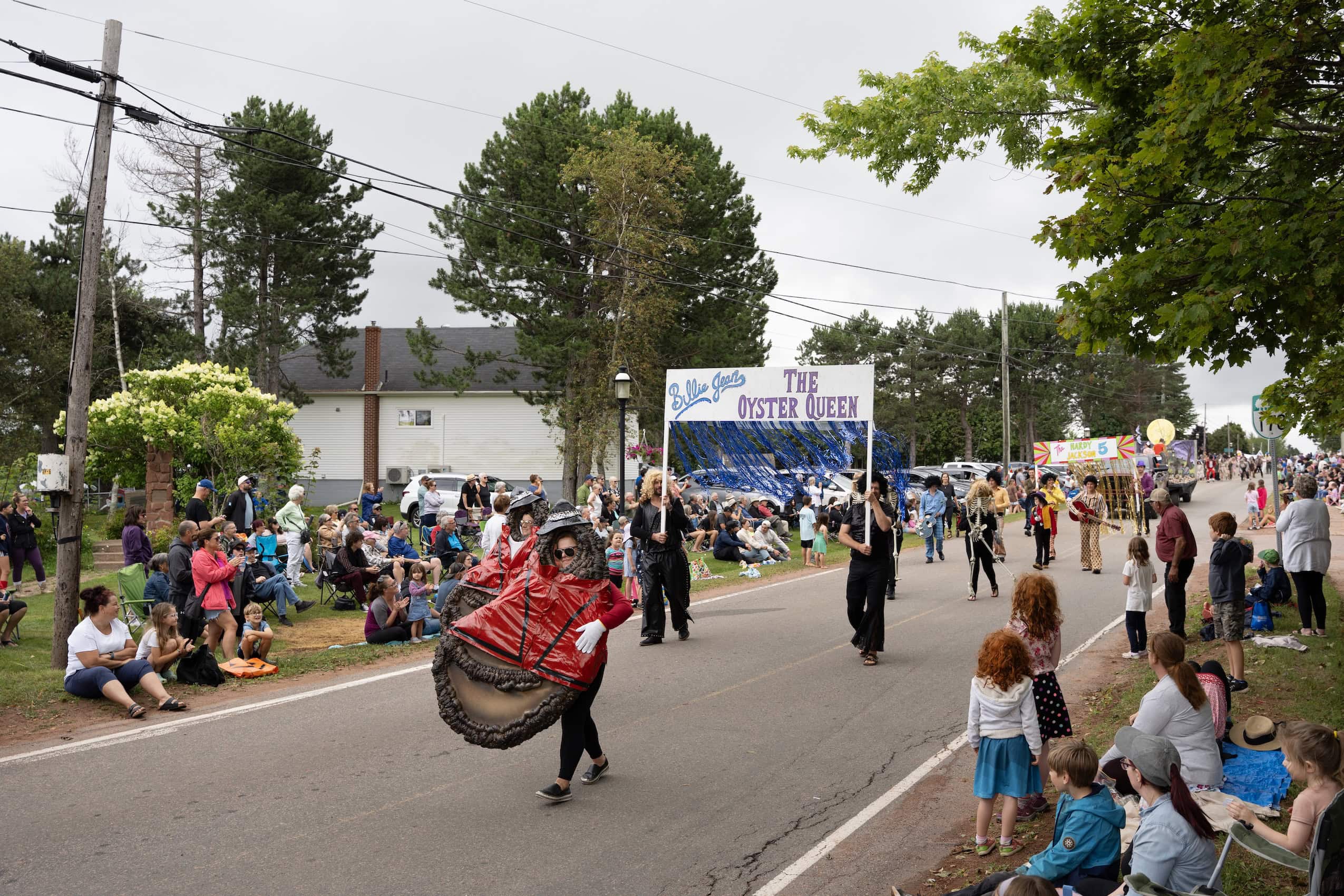
Though the Tyne Valley Oyster Festival wasn’t as buoyant as years past due to the industry’s grim state, many remain optimistic about the future. “P.E.I. is going to solve this. This is our culture,” Dr. Shapira says. “This is who we are. We are oyster farmers. We are not going to stop being oyster farmers.”
Gordon Hardy, one of eight siblings whose parents, Leslie and Shirley, run the family business, is part of four generations frantically getting into position here today. As the last of the dead oysters — part of this year’s disease-ridden harvest — are being carefully positioned around severed skeleton parts, he steps back and evaluates the scene.
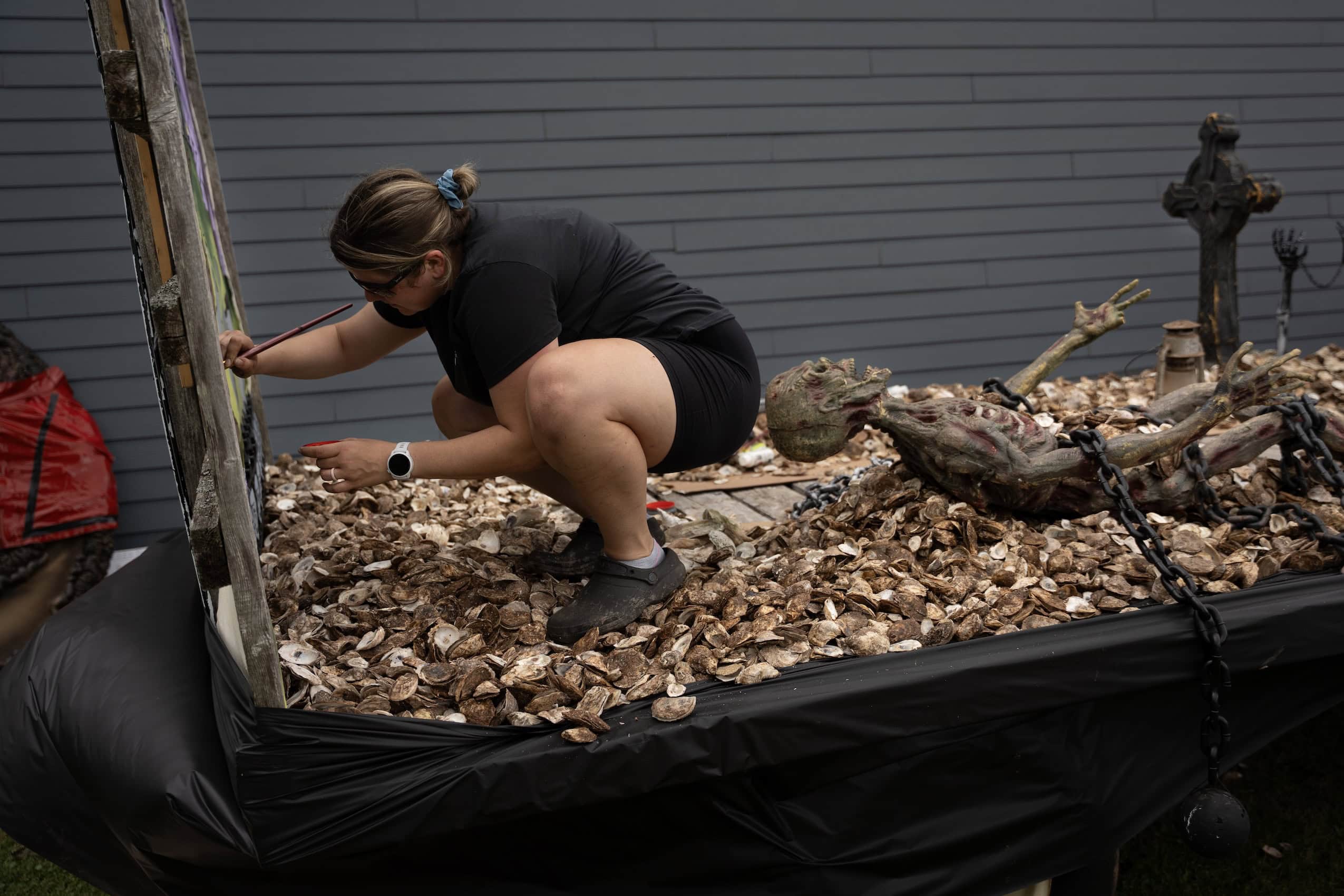
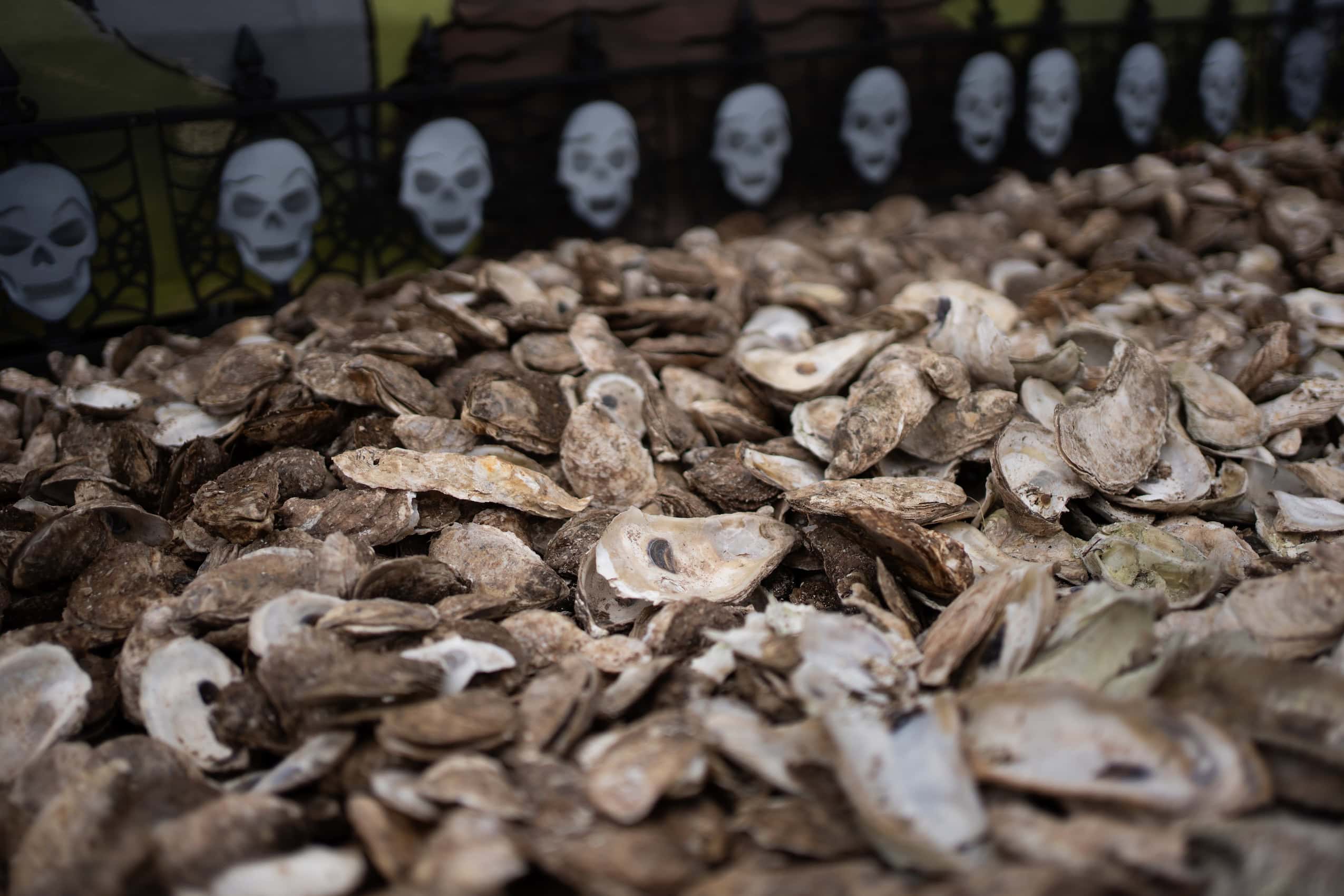
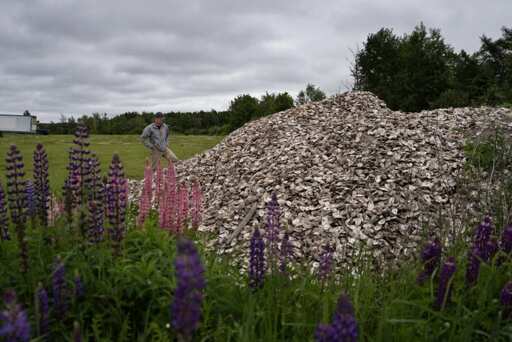
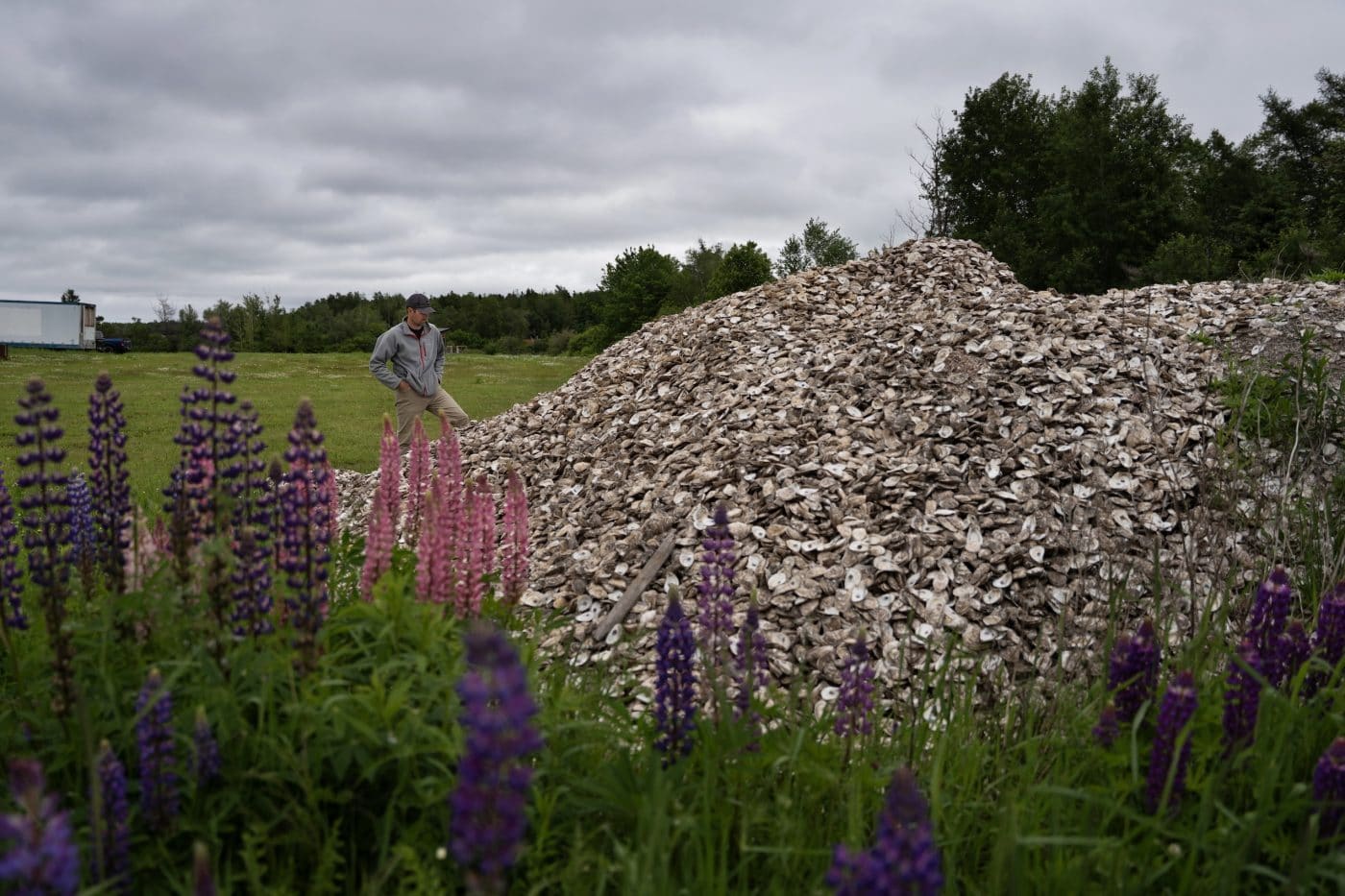
The Hardy family decorated their parade float with dead oyster shells — part of the year’s disease-ravaged harvest.
“Well, things aren’t really that great at the moment,” Hardy says when asked how the family business has been faring. But, as if embodying the resolve of all the island’s oyster growers and fishers, an encouraging smile buoys his face as he digs in his shirt pocket to pull out a single hopeful disease-resistant oyster seed.
The Narwhal’s reporters are telling environment stories you won’t read about anywhere else. Stay in the loop by signing up for our free weekly dose of independent journalism.
From The Narwhal | News on Climate Change, Environmental Issues in Canada via This RSS Feed.