

This interview by Meizhu Lui and Kathy Kruger Castro originally appeared in the August 19, 2026 edition of the Mexico Solidarity Bulletin, the weekly publication of the Mexico Solidarity Project.
Subscribe here to receive original content and a Mexico news compilation weekly.
VOICES
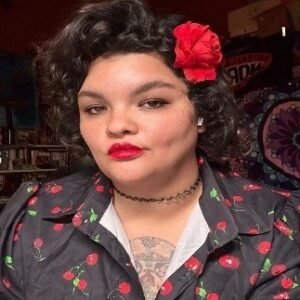
Kathy Kruger Castro is a Mexican attorney and human rights advocate currently at Al Otro Lado.
She supports migrants and displaced communities through legal advocacy and direct, community-based work, focusing on unaccompanied minors and Indigenous communities. In her commitment to protect and make visible the lives of migrants, her work ranges from research and advocacy to storytelling.
As children, you and your little brother suffered together in Mexico and decided to seek safety in the US. What happened?
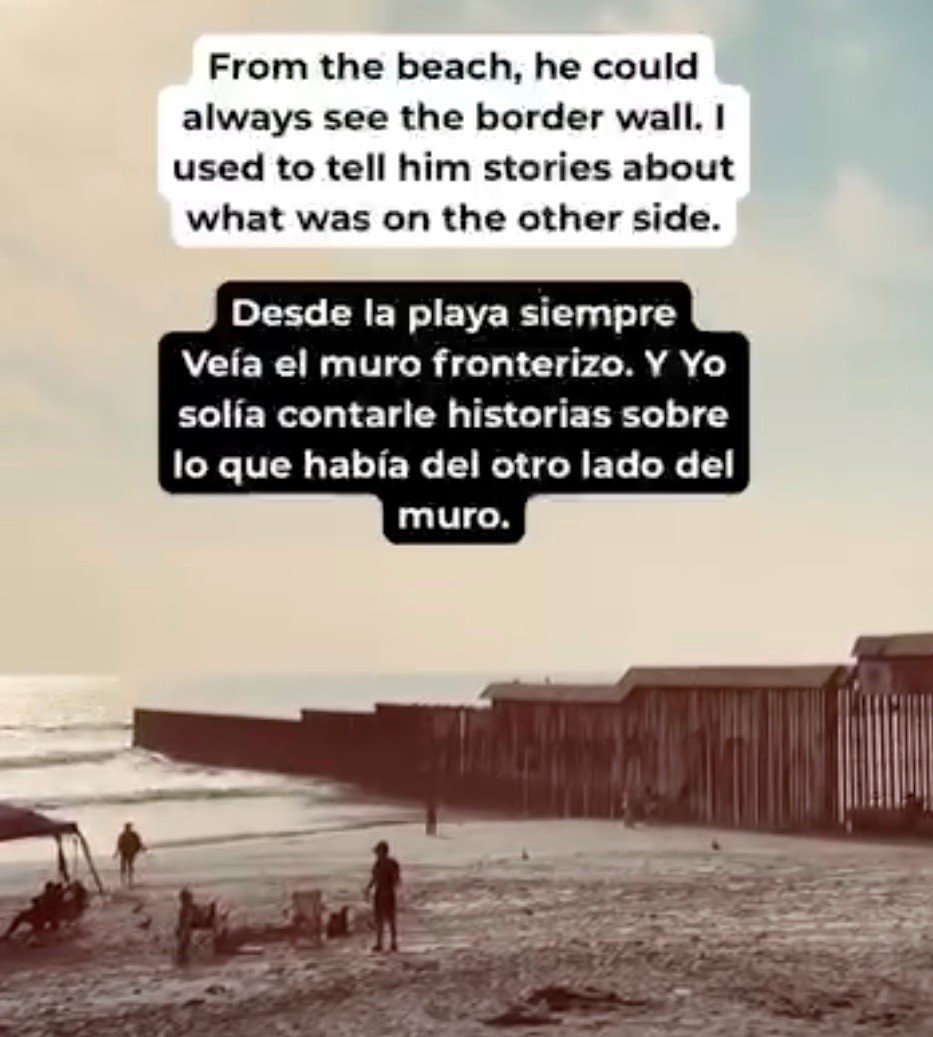
Kathy and Polin imagined what was on the other side of the wall. Photo: Al Otro Lado
My mom was Indigenous but was ashamed of her roots, so she ended up having me and my brother with my German dad. When I was 7, we moved from Guerrero to Baja California. I was in a dysfunctional family that included drugs, crime and violence. Our home was an unsafe place for me and my brother Polin, six years younger than me. Dad left us first. My mom left when I was about 14. I was in charge of myself and my brother for several years. We sometimes stayed with friends or at the school, but we didn’t want to go to social services because we knew we’d be torn apart. School was my safe space.
Polin and I visited Tijuana together, and he saw the border wall for the first time. We heard that it was safer on the other side, or al otro lado, so we decided to go to the US. But that’s how we got separated. I was about to turn 18, so I was treated as an adult and put in detention — when I aged out, I was sent back to Mexico. The rules for minors were different, so my brother was put under the care of the US Office of Refugee Resettlement, the ORR. I got a scholarship to law school in Mexico City. But my brother in the US was shuffled around to shelters and halfway houses. Finally, in high school, he met a girl and her family; they helped him get a sense of normality, and he began to heal. But he had suffered a lot throughout his life, and neither she nor me could protect him. He committed suicide at 21. Since we got separated, I was unable to hug my brother for 10 years — and I only hugged his urn when I got him back.
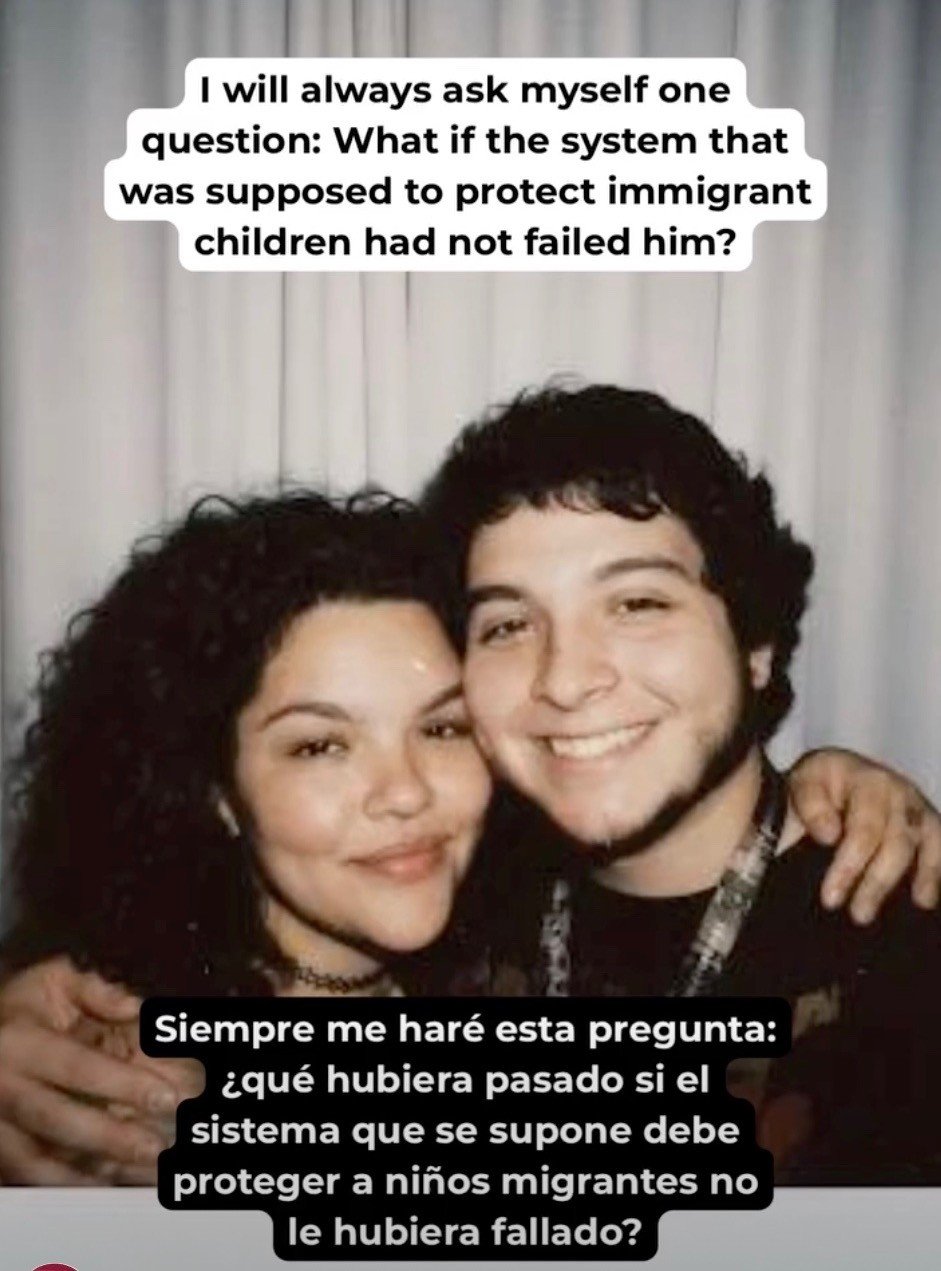
Kathy and Polin. Photo: Al Otro Lado
At Al Otro Lado, an organization dedicated to supporting migrants, you coordinated a program for unaccompanied minors. Was that because of your brother’s experience?
Yes and no. I wanted to work on the border because I grew up there. After several years in Mexico City, I got a job at a shelter, Casa Migrante, in Tijuana, where I advocated for migrants who wanted to cross to the US. But when you do that, you’re interfering with the “business” of human traffickers and drug lords — it’s dangerous. It got too stressful since I openly advocated for migrants, and that got me personal threats. I was already volunteering at Al Otro Lado when they hired me mostly to do administrative work. But then I filled in for someone who worked with unaccompanied minors. I told the director my brother’s story, and she said this job was perfect for me to do justice for my brother.
Is legal assistance what unaccompanied kids need most?
On the Mexico side, kids need protection. They are running from forced displacement, abandonment and neglect — which happened to my brother and me when our parents abandoned us — or forced recruitment by gangs. I recently heard about a promising teen boxer from Sonora who refused to join a cartel and then was murdered. More young folks are dying now that the border is closed and it is known that you can’t get to “the other side.” The guns that kill children at school in the US are the same guns that our kids here are forced to carry or get murdered with when they refuse. On the US side, first the government has to stop witch-hunting kids’ protectors, their families and lawyers. Then, minors need help navigating the new system, like how to get a safe place to stay or how to take the necessary immigration steps. On both sides of the border, what kids need most is acknowledgement that they are actually kids! They have basic rights that no inhumane policies should take away.
Besides working with unaccompanied minors, what else does Al Otro Lado do in Mexico?
Al Otro Lado helps migrants with many issues.
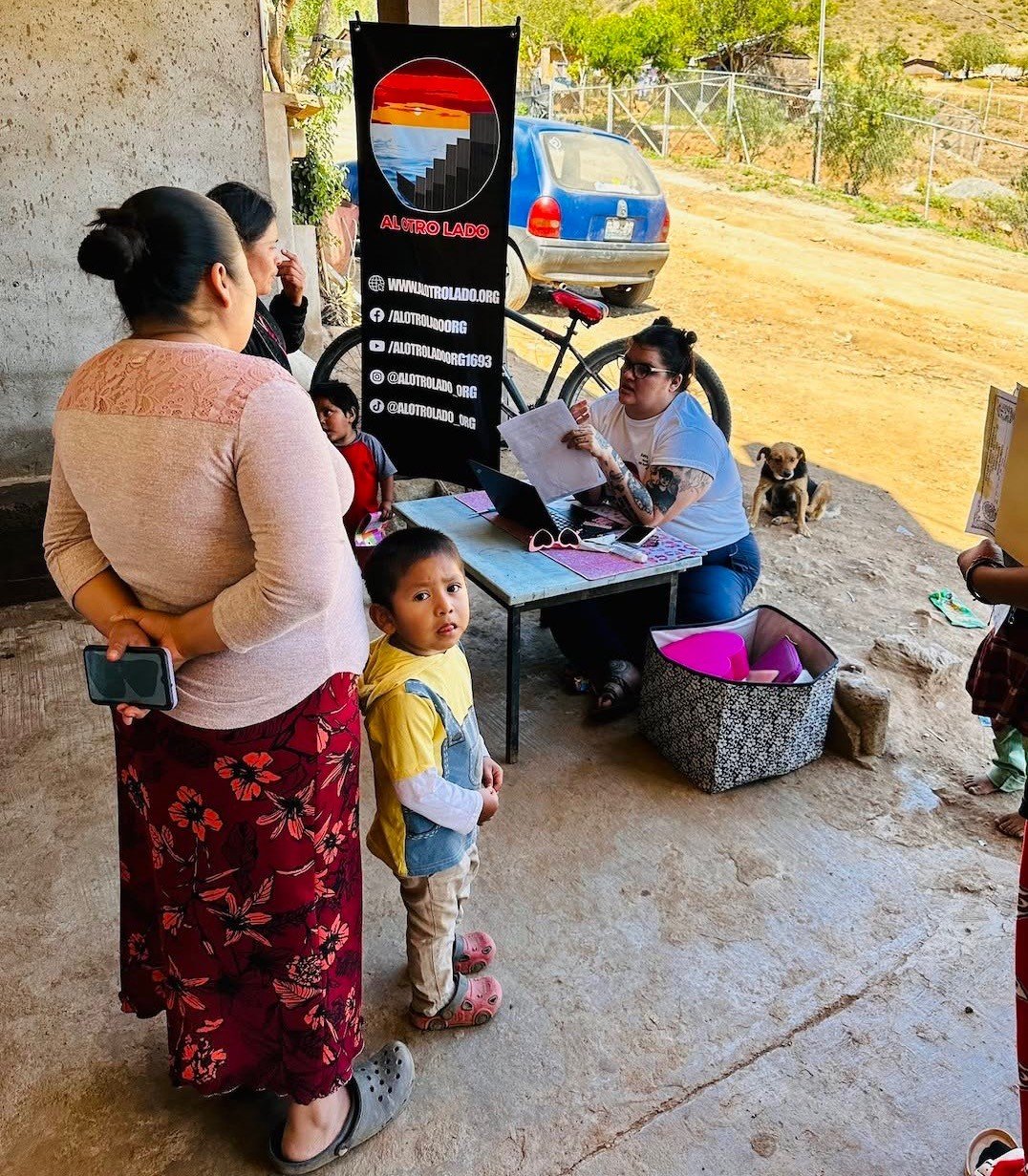
Al Otro Lado helps migrants with many issues. Photo: Al Otro Lado
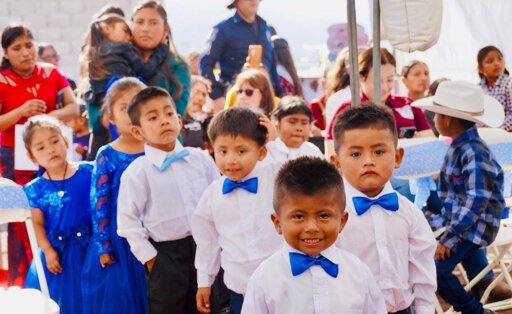
We have four offices: Los Angeles and San Diego in the US and Tijuana and Mexico City in Mexico. Each city works with different aspects of migration. Mexico City and Tijuana work mostly with migrants from other countries trying to pass through Mexico to the US but who are now stranded. We help them with the difficult process of gaining refugee status in Mexico. But here on the border we also see many internal Mexican migrants, mostly Indigenous. They come up from the south, often in extended families, forcibly displaced by violence and crime, and end up in Baja California working on farms in terrible working conditions. Kids often work alongside the adults. I decided to create a program for the Indigenous kids and youth. Speaking in their own languages, we help parents get the birth certificates and IDs necessary for their children to enroll in school. As a result, recently we had a graduation for 36 Indigenous kids!
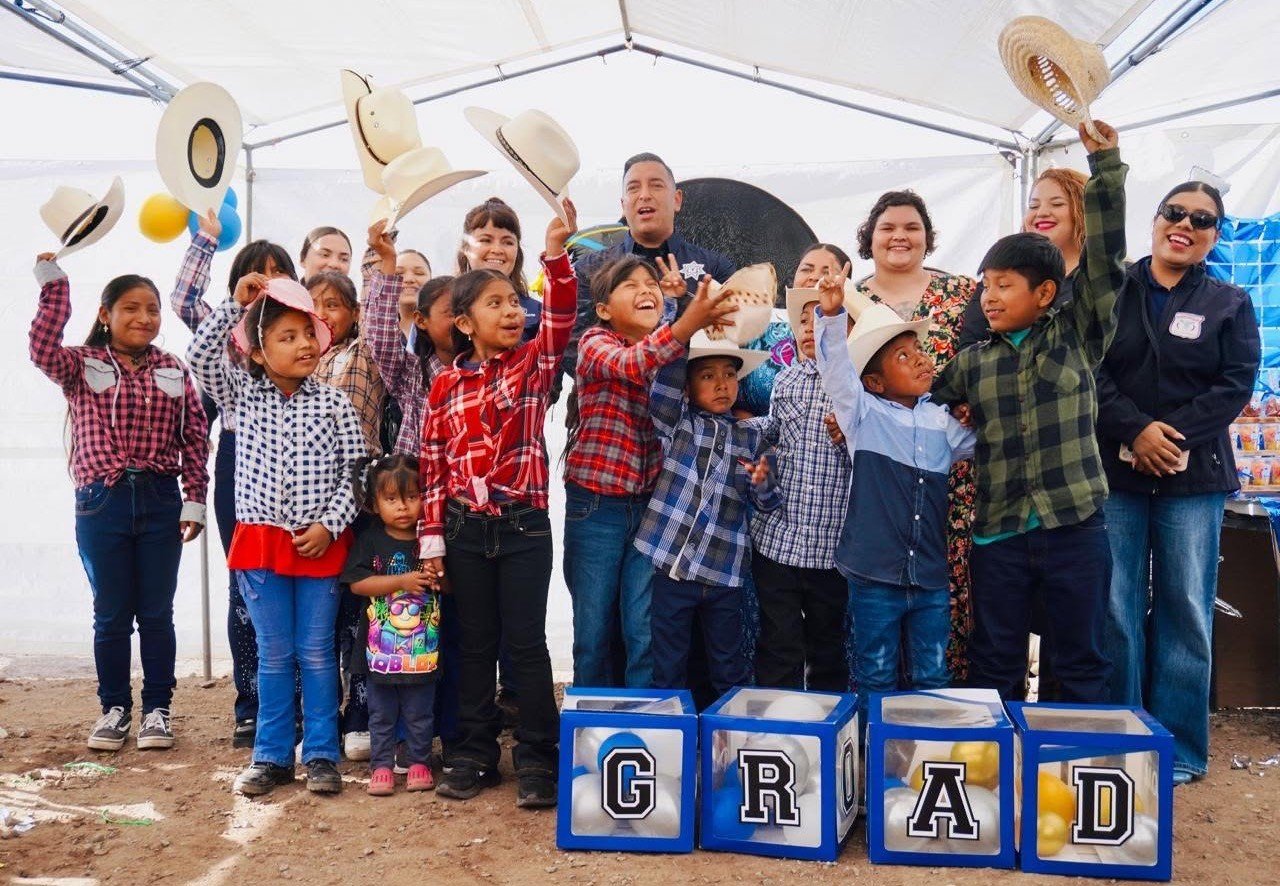
Graduation! Photo: Al Otro Lado
Why have you been participating in the binational People’s Movement for Peace and Justice, organized by the US-based Global Exchange?
MPPJ is important to Al Otro Lado because it connects us with other like-minded organizations; it has built a network serving migrants across borders, which our governments haven’t done. Organizations I’ve met through the MPPJ have referred cases to us, and we’ve referred cases when we don’t have the capacity ourselves. Sometimes we have opportunities to share funding, and we can fight together against unjust policies — a monster of a thousand heads — instead of fighting one monster at a time alone.
How do you manage to keep going with the tragedy and trauma you witness every day?
The sea has always been my place of peace. I also write poetry, read and have my dogs. But what has helped me most is knowing I’m on the side of good — I feel like I’m at the “cool kids table!” At quinceañeras, there’s a table set for the fun kids, the active kids. That’s how I think of advocacy. It’s the best self-care. And also, I feel I’m honoring Polin by helping hundreds of migrant kids flourish. I wish that could have happened for my little brother.
-
What Awaits Migrant Kids “Al Otro Lado?”
August 21, 2026August 21, 2026
Kathy Kruger Castro, a Mexican attorney at Al Otro Lado, was separated from her brother for 10 years at the border. Now she fights for unaccompanied migrant kids.
-
The 4T
August 21, 2026August 21, 2026
“On July 2, 2018, a political event took place in Mexico that many still fail to grasp… The first thing to say is that 15 million citizens who had not taken part in previous elections burst onto the scene.”
-
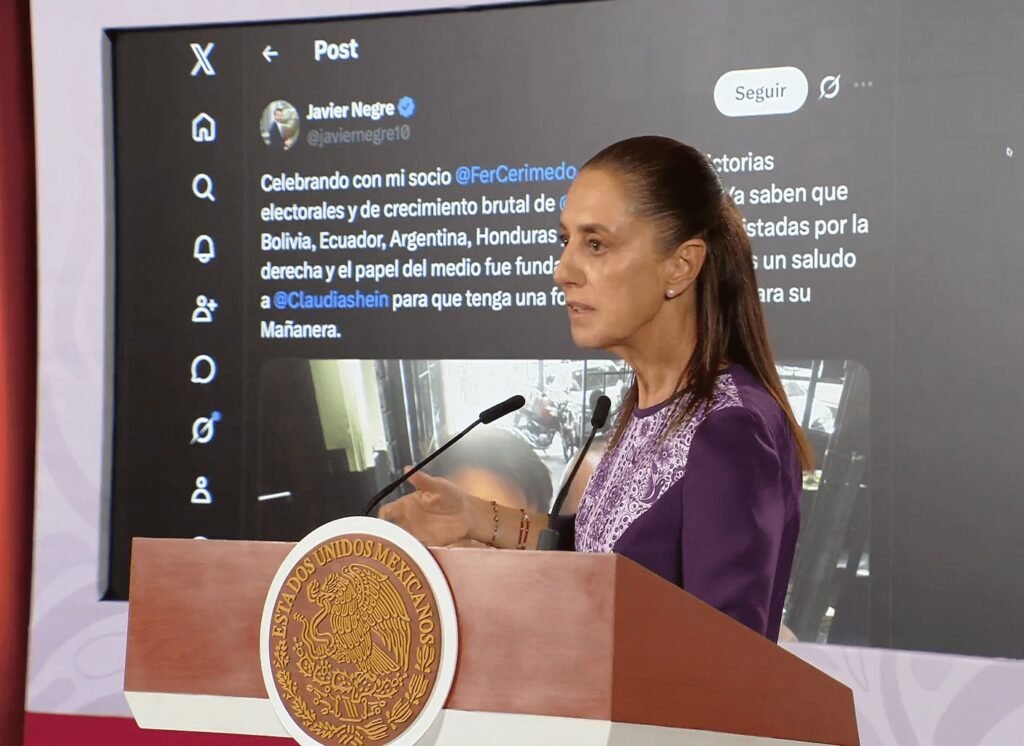
Sheinbaum Criticizes La Derecha Diario Following Cerimedo’s Arrest
August 20, 2026August 20, 2026
La Derecha Diario uses bots, AI, and fake news to sway Latin American elections, Sheinbaum said after the arrest of co-founder Fernando Cerimedo, adding that Ricardo Salinas Pliego hired its operators.
The post What Awaits Migrant Kids “Al Otro Lado?” appeared first on Mexico Solidarity Media.
From Mexico Solidarity Media via This RSS Feed.