

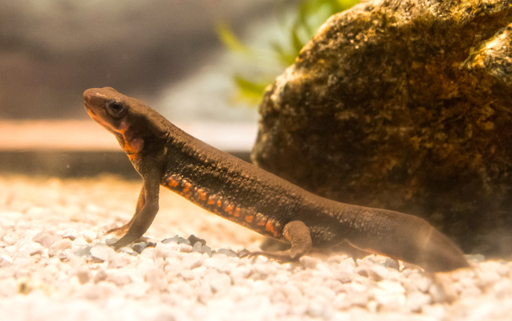
The Zushi-Onoji Historical and Environmental Conservation Area nestles among Tokyo’s sprawling western suburbs. The area provides habitat for endangered species and a space to pass on traditional ecological knowledge of satoyama, Japanese rural landscapes that have been shaped by centuries of human activity. A recent study of a conservation initiative in Tokyo, Japan, explores how citizens and local government can adapt existing frameworks to maintain traditional landscapes rich in biodiversity. Coining the term “gentle power” to denote “influence based on mutual trust and collaboration,” the paper was published in March in the journal Frontiers in Water. It chronicles the contentious beginnings and eventual collaborative transformation of the Zushi-Onoji Historical and Environmental Conservation Area, nestled among Tokyo’s sprawling suburbs. The area provides habitat for endangered species and a space to pass on traditional ecological knowledge of satoyama, Japanese rural landscapes that have been shaped by centuries of human activity. Today, satoyama landscapes are widely valued for their biodiversity, as many of Japan’s plants and animals have adapted to satoyama over the centuries. However, both urban development and shifts away from traditional land uses have led to a decline in satoyama — and the organisms that call them home — since the mid-1900s. To stem this decline, Japan’s national and local governments have invested in satoyama conservation. However, the “gentle power” study cautions that top-down conservation initiatives may see limited success if they lack community input and don’t adapt accordingly — a pattern seen in Japan and around the world. Volunteers carry…This article was originally published on Mongabay
From Conservation news via This RSS Feed.