

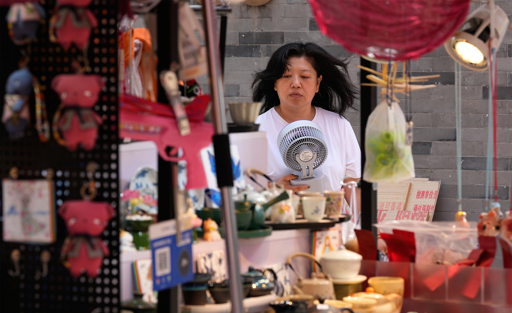
SEOUL — A record-breaking heatwave swept through a broad swath of Asia earlier this month, causing deaths and heat-related illnesses. This year’s extreme weather has been linked to El Niño, which, according to weather experts, could be one of the strongest ever recorded. The “super” El Niño, which officially arrived in June, is expected to intensify over the rest of the year, bringing prolonged warmer weather, droughts and adverse health risks to people in the region. Here’s what you need to know about the extreme weather: How hot has it been in Asia? Very hot. On Aug. 2, the mercury in Yangsan, a city in South Korea, hit 42.5° Celsius (108.5° Fahrenheit), the highest mark since official records began in 1904. Parts of South Korea got so hot that potatoes were literally “boiled,” while still in the ground. In late July, temperatures exceeded 40°C (104°F) in several prefectures in Japan, as well as in central and western regions of China. On Aug. 9, the Hong Kong Observatory logged 39.8°C (103°F), the city’s highest reading since it introduced automatic weather stations in the 1980s. Southeast Asia also reported weather anomalies. Vietnamese officials said thermal readings from July 11 to Aug. 10 showed the mercury at 39-40°C (102-104°F), “exceeding records” in many parts of the country. Meanwhile, “areas of rainfall deficit” were observed in the Philippines, Cambodia, Laos, Thailand, Vietnam, Malaysia and Indonesia. An officer from the Korea Meteorological Administration shows a weather forecast map of temperatures during a heatwave in South…This article was originally published on Mongabay
From Conservation news via This RSS Feed.
Will they survive enough to continue producing the world’s clothes, computers, tires, clothes, etc? Or maybe I should say… Will they be able to produce everything other than those led pencil from the US?
