

The United Nations Office for the Coordination of Humanitarian Affairs (OCHA) reported that 907 humanitarian workers were victims of violent attacks globally during 2025, including 350 fatalities in aid missions, with Gaza recording the most severe impact.
The UN report revealed that 350 members of relief teams were killed while performing their operational duties during 2025, registering the second highest figure in the organization’s records.
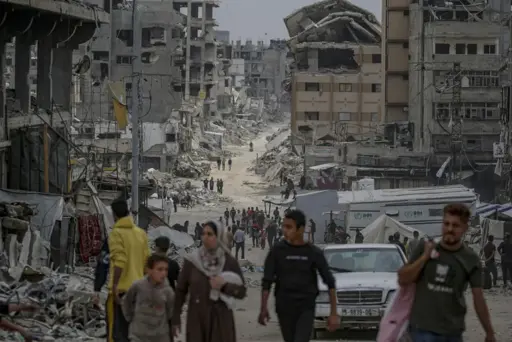
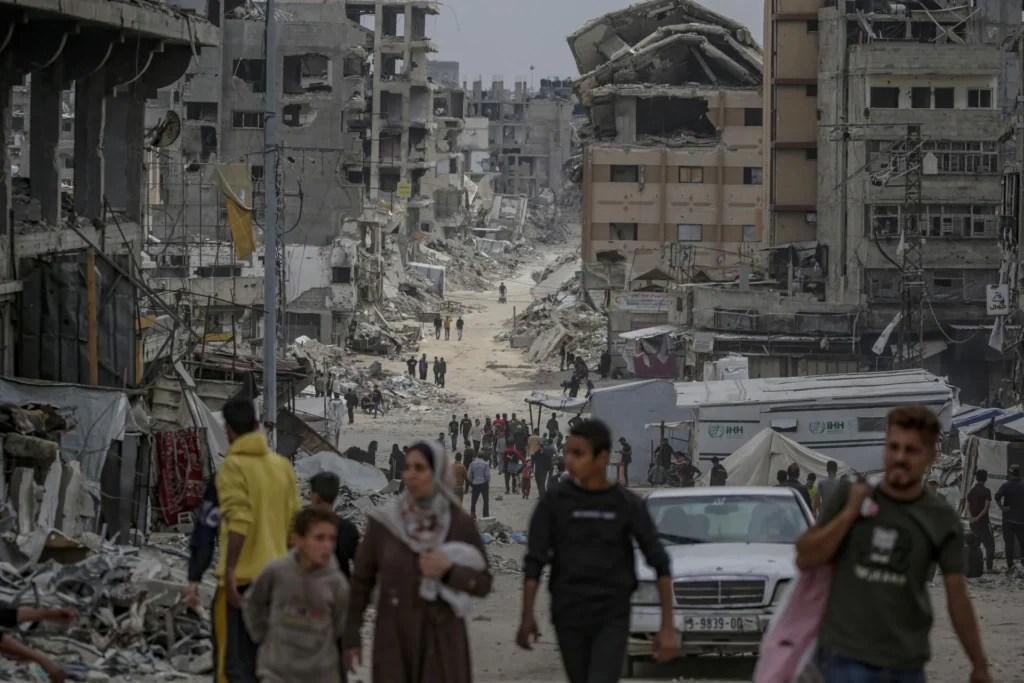
The Gaza Strip concentrated the most severe impact of armed violence, with 186 deaths of humanitarian assistance personnel. Institutional data indicates that 68% of the deaths in the Palestinian enclave were caused by direct aerial bombardments against operational deployment areas.
RELATED: United Nations Pays Tribute to Fallen Humanitarian Workers
The numbers confirm a systematic pattern of attacks against those who risk their lives to deliver aid in conflict zones. The report stresses that humanitarian personnel operate under conditions of extreme vulnerability, often without effective protection mechanisms. The international community’s failure to guarantee the safety of these workers has transformed aid missions into high-risk operations, particularly in Gaza, where the population depends almost entirely on international assistance after months of siege and bombing.
During the months elapsed in 2026, the multilateral entity counted a preliminary balance of 322 injured and 235 kidnapped among international and local personnel. The institution warned about the disproportionate increase in risks for medical missions and food distribution operations in active conflict zones. These figures indicate that violence against humanitarian workers is not declining, but rather intensifying, with consequences that directly affect the most vulnerable civilian populations.
Another grim record for humanitarians.
More than 1,100 aid workers were killed, wounded, kidnapped, detained or arrested in 2025.
Breaking the rules of war must have real consequences.
Those responsible must be held accountable.https://t.co/JWWBpkQ4yO#ActForHumanity pic.twitter.com/5MEMnKkmuj
— UN Humanitarian (@UNOCHA) August 19, 2026
UN Demands Protection
The Secretary-General of the United Nations, António Guterres, paid public tribute to the deployed teams and condemned the arbitrary detentions and constant intimidation. The diplomat urged armed actors to respect international conventions on operational neutrality and the protection of civilian personnel in combat areas. Guterres insisted that humanitarian workers are not a target and that their protection is a legal obligation, not a concession.
The technical report also expressed deep concern about the accelerated proliferation of armed drones in contemporary war scenarios. The entity warned that the technological adaptability of these aerial platforms increases the frequency of explosive attacks in highly populated urban centers. The use of drones has redefined the nature of modern warfare, making it harder for humanitarian organizations to predict threats and protect their staff.
82 aid workers have been killed so far this year.
They were parents, siblings, friends, colleagues.
Attacks on humanitarians are rising, and too often those responsible face no consequences.
On #WorldHumanitarianDay, and every day, we call for action to protect humanitarians. pic.twitter.com/X1kUZEw7wA
— UN Humanitarian (@UNOCHA) August 20, 2026
International cooperation agencies reiterated the urgent need to establish guaranteed security corridors for the delivery of essential supplies to affected populations. Representatives of multilateral organizations emphasized that impunity for attacks directed against humanitarian operations compromises the viability of global assistance. Without accountability, they warned, each new attack sends a message that humanitarian workers can be targeted without consequence, eroding the very foundations of international humanitarian law and endangering the millions of people who depend on aid for survival.
From teleSUR English via This RSS Feed.