

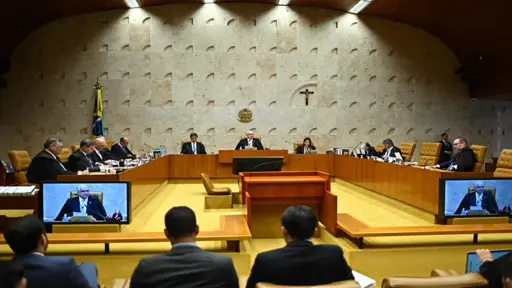
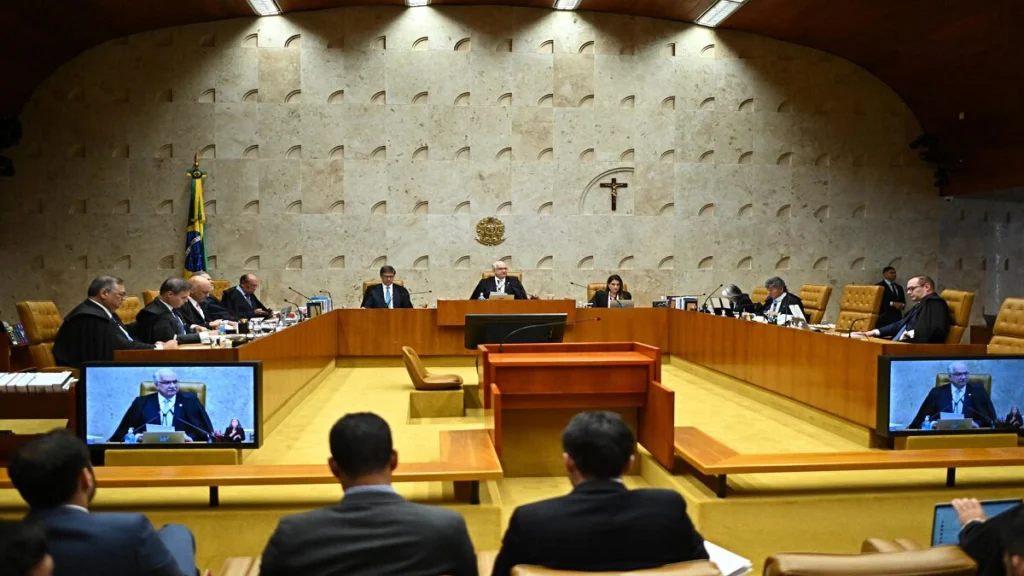
Brazil’s Federal Supreme Court ruled unanimously on Wednesday to extend the Maria da Penha Law –the 2006 statute against violence toward women– to cover all forms of gender-based violence, including political attacks on candidates during the October elections, establishing a binding precedent for future cases.
The regulation had previously applied only to situations of domestic violence, violence among family members, or violence within intimate partner relationships. The new ruling now obliges judges to apply the law to any type of gender-based violence against women, regardless of the setting.
RELATED: Brazilian Workers’ Party Expands Coalition to Sustain Lula’s Reelection Bid
On political violence, the court determined that the law must be enforced during the October elections, with the Electoral Court responsible for deciding whether to grant protective measures to candidates.
The Maria da Penha Law includes measures such as preventing the aggressor from approaching the victim, removing the aggressor from the home, requiring an electronic ankle bracelet, and issuing a preventive detention order.
STF decide, por unanimidade, que as medidas protetivas de urgência previstas na Lei Maria da Penha podem ser aplicadas a toda forma de violência contra a mulher, baseada no gênero, ainda que ocorrida fora dos contextos doméstico, familiar ou afetivo.
Mais informações:… pic.twitter.com/IhDCza0eFS
— STF (@STF_oficial) August 19, 2026
The resolution, approved unanimously, establishes that the law’s preventive actions may be applied to aggressions occurring outside the family environment, provided that the victim’s gender is the motive for the violence.
From teleSUR English via This RSS Feed.