

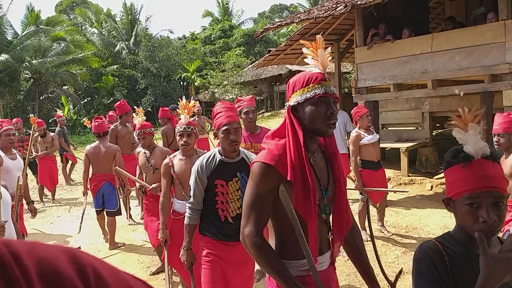
An Indigenous community on Indonesia’s Seram Island is preserving a centuries-old coming-of-age ritual while helping protect the endangered salmon-crested cockatoo, a new study has found. The study, published in July in the Journal of Ethnobiology, documents how the Huaulu people adapted the sacred Cidaku initiation ceremony in collaboration with conservationists and government authorities. The ritual marks young men’s transition to adulthood and traditionally involved wearing the distinctive crest feathers of the salmon-crested cockatoo (Cacatua moluccensis), a bird found nowhere else on Earth. The Huaulu, one of Seram’s oldest Indigenous communities, regard Seram’s forests as a living realm inhabited by powerful spirits, shaping their approach to conservation. “The use of cockatoo feathers is specifically embedded within this cultural system and is very different from hunting birds for commercial purposes,” study lead author Dwi Agustina, a researcher at Indonesia’s Gadjah Mada University and program coordinator at the Indonesia’s Cockatoo Conservation Association (KKI), told Mongabay in an email. An endangered salmon-crested cockatoo on Seram Island, Indonesia. Image courtesy of Balázs Tisza/Wildlife Messengers. The Cidaku ritual once had ties to head-taking, but after colonial authorities and Christian missionaries suppressed the practice in the early 20th century, the Huaulu adapted the ceremony around hunting wild animals. The salmon-crested cockatoo became one traditional target, with its crest feathers used in the ceremonial puheliam headdress: the white feathers as a symbol of sacred life, peace and community, and the peach-tinged feathers signifying great strength and courage. Over the decades, however, the species has become endangered, largely due…This article was originally published on Mongabay
From Conservation news via This RSS Feed.