

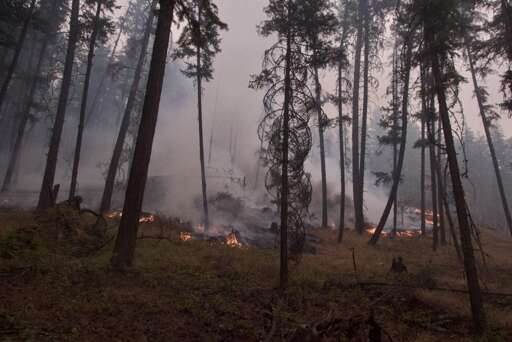
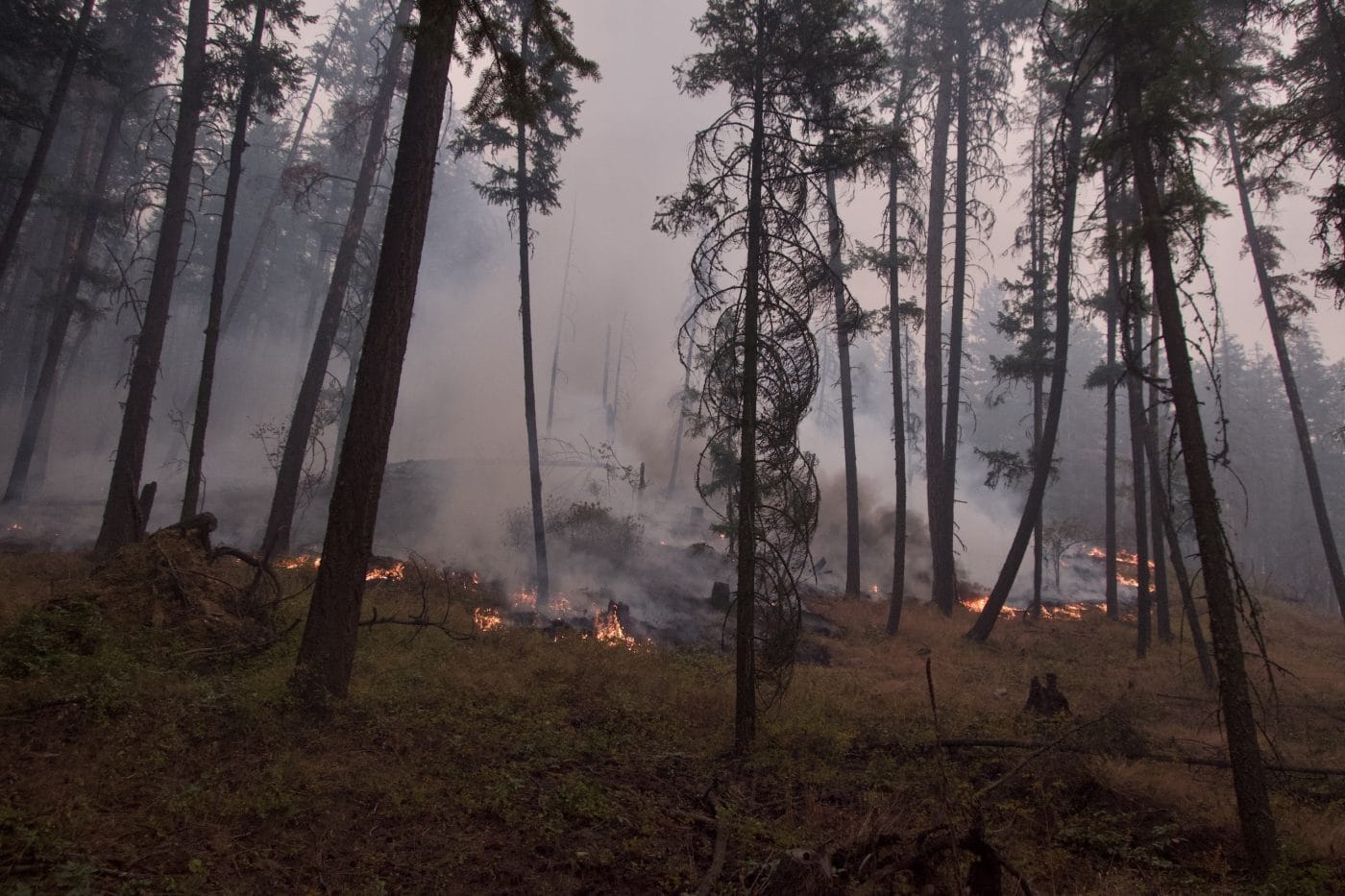
Photo: Mike Graeme / The Narwhal
Editor’s note: After The Narwhal published a piece about Alberta wildland firefighters forming a peer-support network, we received an email from Matthew Brackenreed. “I’ve been meaning to send this out for a while now — the recent article gave me the courage,” Matthew wrote. Below is what he shared with us.
I spent nearly two decades serving as an Alberta wildland firefighter, responding to some of the most challenging and dangerous situations our province faces.
I am writing because I believe there is an important conversation that needs to happen about occupational post-traumatic stress disorder (PTSD), cumulative trauma and the realities many firefighters and first responders face after their careers are affected by psychological injuries.
For years, I did what many firefighters do. I showed up for work, responded to emergencies and pushed through difficult experiences without fully understanding the impact they were having on me. Like many in emergency services, I believed I could handle it. Looking back, I now realize that the effects of repeated exposure to trauma were building for years.
Yet despite responding to emergencies and protecting communities from wildfire, provincial wildland firefighters do not receive all of the same legal recognition and presumptive protections afforded to some other first responders in Alberta. It is a distinction I never expected would become so important to me until I became injured myself.
While wildland firefighters can still have occupational psychological injury claims accepted, we do not fall under the same statutory definition of “first responder” used to provide certain presumptive workers’ compensation protections to municipal firefighters, police officers and paramedics. For someone already struggling with the effects of a psychological injury, that distinction can add another layer of difficulty to an already challenging process.
Today, I live with severe PTSD resulting from prolonged exposure to traumatic events throughout my career fighting fires.
PTSD is often associated with a single catastrophic event, but that is not always how it develops. For many firefighters and first responders, trauma can accumulate over years of service. The effects may remain hidden for a long time before eventually becoming overwhelming.
The injury is often invisible to others.
People may see someone who looks physically healthy while not realizing they are struggling with anxiety, panic, nightmares, hypervigilance, memory difficulties, emotional exhaustion and significant disruptions to daily life. Relationships, careers, finances and personal identity can all be affected.
One of the challenges I have encountered is that many systems were originally designed around physical injuries or isolated incidents. Occupational PTSD, especially when caused by years of cumulative exposure, does not always fit neatly into those models.
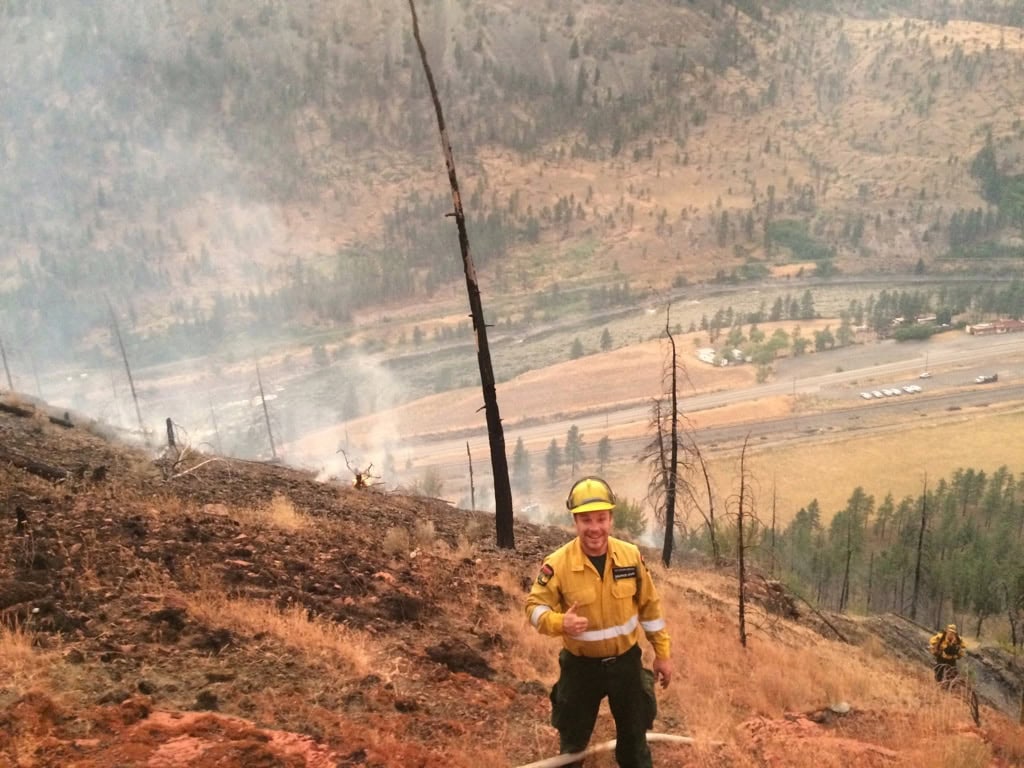
Matthew Brackenreed spent nearly two decades protecting communities as a wildland firefighter. “I showed up for work, responded to emergencies and pushed through difficult experiences without fully understanding the impact they were having on me,” he writes. “Looking back, I now realize that the effects of repeated exposure to trauma were building for years.” Photo: Supplied by Matthew Brackenreed
My concern extends beyond my own situation.
I worry about the many firefighters, first responders and workers who may be experiencing similar struggles but are hesitant to come forward. The culture of emergency services often encourages resilience and perseverance, which are important qualities, but those same qualities can sometimes cause people to delay seeking help until their symptoms become severe.
By the time many firefighters finally ask for support, they may already be facing significant challenges in their personal and professional lives.
I am grateful for the health care professionals, family members and supporters who have helped me through this journey. Their support has been essential. At the same time, my experience has shown me how important it is that we continue improving awareness, education and support for occupational PTSD.
As wildfire seasons grow longer and more demanding, the mental health impacts on those who respond to these emergencies deserve greater attention. Protecting communities is vital, but we must also ensure that the people who dedicate their lives to that work are not forgotten when they are injured.
I am sharing my story because I believe occupational PTSD deserves greater public understanding and because I hope it encourages meaningful discussion about how we support those who serve in high-trauma professions.
What is almost as devastating as the injury itself is the lack of meaningful support available once a worker’s life begins to fall apart. On paper, there are programs and systems meant to help, but in reality I have found myself and my family trapped in a maze of delays, bureaucracy and uncertainty while my health has continued to decline.
We have spent countless hours fighting for answers, advocating for basic needs and trying to navigate a system that often feels more focused on process than people. When someone is suffering from a psychological workplace injury, they shouldn’t have to fight another battle just to access support. No family should be left feeling isolated, exhausted and without a clear path forward while trying to survive the consequences of an injury sustained in service to their community.
The Narwhal’s reporters are telling environment stories you won’t read about anywhere else. Stay in the loop by signing up for our free weekly dose of independent journalism.
From The Narwhal | News on Climate Change, Environmental Issues in Canada via This RSS Feed.