

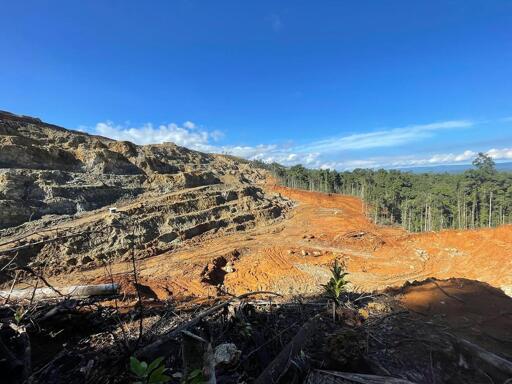
JAKARTA — Indonesia recorded more allegations of human rights and environmental abuses linked to Chinese investments in transition minerals than any other country between 2023 and 2025, a new report says. It identifies the vast majority of problems with the country’s rapidly expanding nickel industry. The report by the Business & Human Rights Resource Centre (BHRC) documented 323 publicly reported allegations across 24 countries during the three-year period, plus three confidential cases involving attacks on human rights defenders. That brings the total to 326 allegations for 2023-2025. The number of recorded allegations has also risen each year, from 51 in 2021 to 148 in 2025, bringing the five-year total to 434. That increase doesn’t necessarily mean the number of abuses themselves have tripled, as changes in reporting, monitoring, and the database can affect the figures. Still, the rising trend comes as investment in the minerals used in electric vehicles, batteries, and renewable energy technologies expands rapidly, raising risks for workers, Indigenous peoples, local communities, and the environment. The report also documented 18 attacks against human rights defenders across all 24 countries between 2023 and 2025, including cases involving judicial harassment, violence, and intimidation. Indonesia Of the 323 allegations analyzed in detail, 96 were in Indonesia, the highest of any country. The Democratic Republic of Congo was second with 52, followed by Myanmar with 36, Serbia with 32, and Zimbabwe with 20. Ninety of the 96 Indonesian allegations involved nickel. Of those, 71 concerned nickel processing, 17 nickel extraction, and two…This article was originally published on Mongabay
From Conservation news via This RSS Feed.