

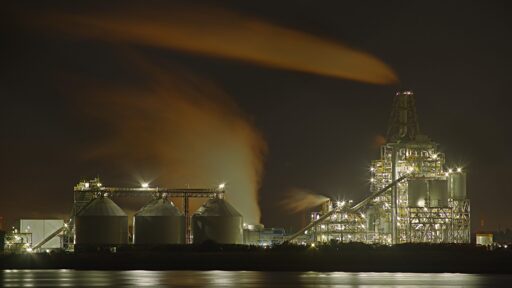
For the past decade, Japan has been expanding the use of woody biomass for power generation to replace or be mixed and burned with coal. The country is now the second-largest wood pellet consumer in the world after the U.K. But there are concerns that burning wood pellets or palm kernel shells to generate electricity might not be safe. In the past few years, there have been at least 14 fires, explosions and accidents at biomass power plants across Japan. These incidents, combined with rising prices, pollution concerns and growing opposition are leading some to question the future of Japan’s large-scale biomass plants, an estimated 34 of which produce 3.5 gigawatts of power. For many living near the plants or pushing Japan to decarbonize, this would be welcome as accident and pollution concerns grow. “Explosions at biomass power plants in Japan have been occurring too frequently, and despite this, regulations are being applied leniently,” An Nakane, a campaigner with Friends of the Earth Japan, told Mongabay. “The government should urge operators to formulate business plans that take into account the safety of nearby residents.” Tanks storing palm kernel shells and wood pellets at a biomass power plant in Japan’s Okinawa. Image by Annelise Giseburt for Mongabay. Why Japan has so many accidents Japan expanded the use woody biomass as an alternative to coal by including it alongside solar and wind in its clean energy feed-in-tariff program. This move came despite concerns that wood pellet production often rests on the destruction…This article was originally published on Mongabay
From Conservation news via This RSS Feed.