

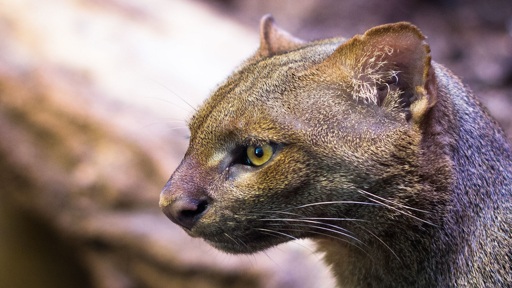
Distinct for their rather uncat-like appearance, jaguarundis have long flown under the research and conservation radar. However, its latest uplisting to near threatened on the IUCN Red List could change that. These small cats — weighing up to around 7 kilograms (15 pounds) — roam savannah and forest landscapes across a massive range stretching from Mexico through Central America and all the way to southern Brazil and Argentina. Tadeu de Oliveira, co-chair of the IUCN Cat Specialist Group, who led the latest review, said the assessment had to battle against the perception that jaguarundis are common and, thus, not threatened. That’s partly because, as a diurnal species, they roam and hunt in open spaces during the day, making them more visible than many other feline species, he said. They also inhabit degraded, less-than-pristine landscapes. “If you have a forest and that becomes savannah-like, it will mimic the ideal habitat for the species,” de Oliveira said. “It’s not [the jaguarundi’s] favorable habitat, but it will allow it to be there.” As this cat moves through open spaces, it is more frequently seen than other feline species that live in dense forest. Jaguarundis are sometimes known as the “otter cat” due to their distinctive, uncat-like appearance. They’re unique for their wide range of vocalizations, including “chirping” like a bird. Image by Wild Cats Brazil-Americas Conservation Program/Gatos do Mato. “It’s easier to be seen and because of that, people perceived it as common,” de Oliveira said. “But when you quantify it data-wise, it…This article was originally published on Mongabay
From Conservation news via This RSS Feed.