

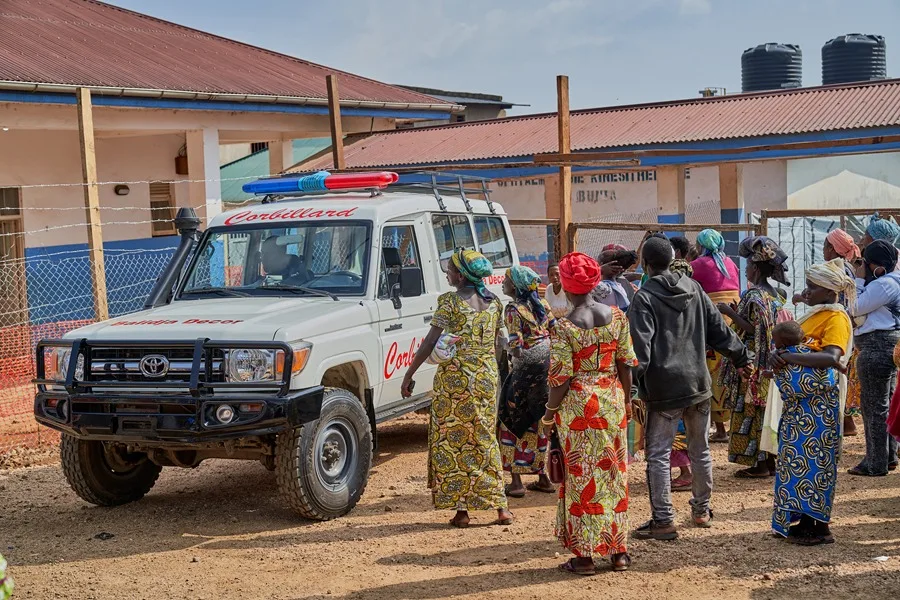
The outbreak has killed 2,325 people and infected 4,945, surpassing the toll of the 2018-2020 epidemic in eastern Congo.
An Ebola outbreak in eastern Democratic Republic of Congo has become the second-deadliest in history, with 2,325 deaths and 4,945 confirmed cases, according to the latest figures from Congolese health authorities.
RELATED: DR Congo: Ebola Death Figure Rises to 1,887, Confirmed Cases to 4,120
The outbreak, declared on May 15 in Ituri province, has surpassed the toll of the Ebola epidemic that struck eastern Congo between 2018 and 2020, which killed 2,299 people and recorded 3,481 cases. It remains well below the deadliest outbreak on record, which killed about 11,000 people and infected 28,000 in West Africa between 2014 and 2016.
The current outbreak is also spreading faster than any previous Ebola epidemic, according to World Health Organization Director-General Tedros Adhanom Ghebreyesus, who warned last week that it could reach the scale of the West African outbreak.
La ONU advierte que el virus del ébola causa una muerte cada 30 minutos en la República Democrática del Congo
El secretario general adjunto de Asuntos Solidarios de la ONU, Tom Fletcher, , alertó que el brote podría ser el más mortífero de la historia.#RDC #Ébola… pic.twitter.com/eyJrRdea7W
— teleSUR TV (@teleSURtv) August 16, 2026
Text Reads: The UN warns that the Ebola virus causes a death every 30 minutes in the Democratic Republic of Congo
The UN Deputy Secretary-General for Solidarity Affairs, Tom Fletcher, alerted that the outbreak could be the deadliest in history.
Case Fatality Rate at 47%
Data compiled through Aug. 15 by Congo’s National Institute of Public Health put the case fatality rate at 47%. Another 730 patients are in isolation or hospitalized, while 1,040 people have recovered. Contact tracing has reached 85.3%.
The outbreak is Congo’s 17th Ebola epidemic and is now the country’s deadliest and largest by number of confirmed cases.
Transmission has been reported in six provinces: Ituri, the epicenter of the outbreak; North Kivu; Haut-Uélé; Tshopo; and Bas-Uélé. Authorities confirmed the first Ebola death in Bas-Uélé last week. In South Kivu, meanwhile, about 80 days have passed without a newly confirmed case.
Congo’s health authorities said transmission remains active and that continued surveillance, treatment capacity and community mobilization are essential.
Virus Spread Began Earlier Than Declared Outbreak
The WHO has said the virus began circulating in eastern Congo in February. A study published in the journal Science in late July placed the first infections even earlier, dating them to at least January.
After the outbreak was declared in Ituri, the virus spread into neighboring Uganda. Uganda declared itself free of Ebola on July 28 after recording 20 confirmed cases, including 15 considered to have been imported from Congo. Two of those patients died.
The outbreak is caused by the Bundibugyo strain of Ebola. According to the WHO, the strain has a case fatality rate ranging from 30% to 50% and has no authorized vaccine or specific treatment.
Ebola spreads through direct contact with bodily fluids from infected people or animals and can cause severe hemorrhagic fever, vomiting, diarrhea and internal bleeding.
From teleSUR English via This RSS Feed.