

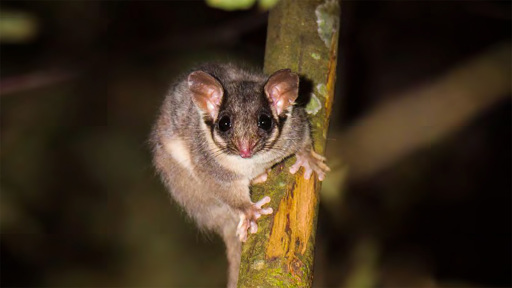
Large old trees are among the most important structures in native forests, in Australia and around the world. They store disproportionately large amounts of carbon relative to small, young trees, and they provide the nesting and denning hollows that hundreds of animal species depend on. A single large old tree can take two or three centuries to grow. There is a persistent claim that logging does little or no lasting harm to these trees. It is worth examining what the evidence actually shows. I have studied populations of thousands of large old trees for more than four decades and published that work in the international peer-reviewed literature. I have also written a series of global reviews on large old trees and co-edited an international book on the subject – so the issue of logging effects on large old trees can be examined from data rather than assertion. Our long-term research has shown quite clearly that logged and regenerated forests have far fewer large old trees than places that have not been logged. There are several reasons for this – some obvious and some not so obvious. First, most trees are removed in a logging operation. Second, trees that are retained in logged areas are very exposed to increased windspeeds – the previous tree cover is not there to slow air movement. Third, the debris left on the forest floor after logging is burnt in a fire lit deliberately to help regenerate the forest. These are very high severity fires which…This article was originally published on Mongabay
From Conservation news via This RSS Feed.