

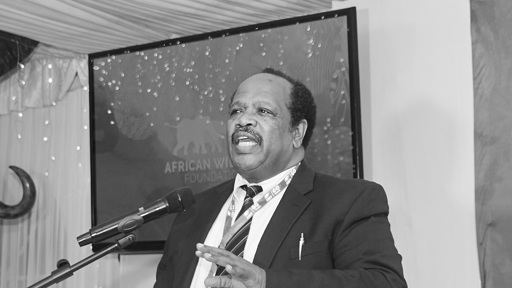
For wildlife moving between Lake Manyara and Tarangire, a line on a map was never enough. Elephants, wildebeest, and other animals crossed land used by pastoralists and farmers, where roads, cultivation, and settlements were expanding. Keeping such routes open meant persuading people who lived there that wildlife had a place in their future. It meant dealing with livestock killed by predators, arguments over revenue, and the tedious business of local institutions. John Gospel Yonazi Salehe, who died on June 19th aged 71, spent much of his working life on such problems. A Tanzanian forester by training, he worked for the government, FAO, UNDP, WWF, and, eventually, the African Wildlife Foundation, where he became Tanzania country director. His career stretched for more than four decades and across forests, wildlife areas, and development projects in East Africa. Salehe’s conservation was practical and strongly social. In the Maasai Steppe he worked to protect wildlife corridors and strengthen community-run Wildlife Management Areas. He wanted the benefits from conservation to reach households, and supported measures such as predator-proof livestock enclosures and compensation for losses to wildlife. Communities were not an audience for conservation after the important decisions had been made. They were part of how it was supposed to work. The same thinking shaped his work on forests. In central Tanzania, where charcoal production and farming put pressure on woodland, he argued that restrictions had to be accompanied by viable livelihoods. Higher agricultural productivity, land-use planning, and secure tenure could reduce pressure on forests, he…This article was originally published on Mongabay
From Conservation news via This RSS Feed.