

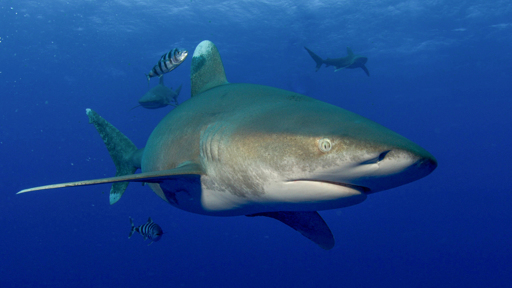
In 2022, 196 countries agreed to the ambitious conservation goal of “30×30”: setting aside 30% of the planet’s coastal and marine areas for conservation by 2030 as part of the Kunming-Montreal Global Biodiversity Framework. Now, halfway to 2030, only about 10% of the ocean is covered by protected areas, leaving many countries far short of meeting this biodiversity goal by the end of the decade. Even within these existing reserves, new research shows significant gaps for one of the most threatened marine groups: sharks and rays. A study published in Conservation Letters in July finds that most species of sharks and rays have less than 10% of their ranges covered by any marine protected area (MPA), with significant shortfalls for threatened and critically endangered species. The analysis also reveals major gaps in reporting on the extent of fishing and harvesting restrictions in these preserves, also known as “take-status”, which is important for assessing meaningful protection for these animals. “Simply increasing the amount of protected ocean doesn’t necessarily mean we’re actually protecting those threatened species,” Amanda Arnold, a marine biodiversity researcher at Simon Fraser University in Canada and the lead author of the study, told Mongabay. “It’s not covering the breadth of biodiversity.” Sand tiger shark (Carcharias taurus), a critically endangered species according to the IUCN. Image mattdowse via iNaturalist (CC BY-NC 4.0). Research suggests that to offer measurable conservation benefits, marine preserves should cover at least a tenth of a species’ range, with 20-40% coverage maximizing conservation gains. Yet few…This article was originally published on Mongabay
From Conservation news via This RSS Feed.