

Blanket Prohibition Disproportionately Restricts Freedom of Expression and Lacks Sufficient Privacy Safeguards.
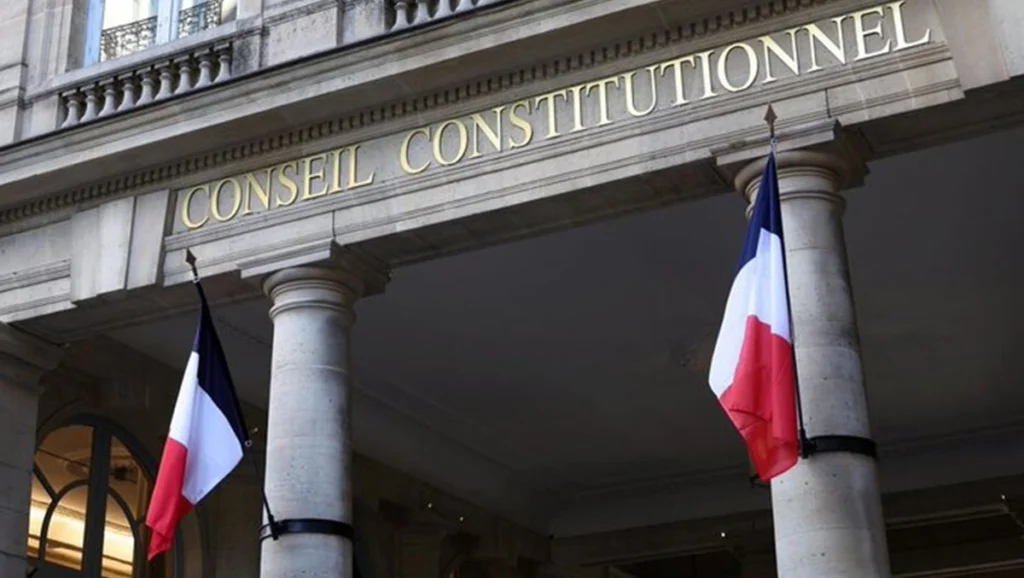
On Friday, France’s Constitutional Council struck down the main article of a law adopted July 21 to ban social media use by children under 15, saying its provisions constitute a “disproportionate” attack on freedom of expression.
RELATED:
Norway Moves Forward With Social Media Age Limit for Children
In its ruling, the Constitutional Council also justified the annulment of the article on the grounds that it did not provide sufficient legal safeguards to guarantee the right to privacy.
The judges acknowledged that there is a constitutional requirement to protect “the best interests of the child” and that this therefore allows authorities to restrict minors’ access to social media, but not in the manner established by the legislation.
In its reasoning, the Council explained that lawmakers may establish mechanisms to stop abuses in the exercise of freedom of expression and communication when they endanger public order and the rights of minors. But it emphasized that freedom of expression “is a condition of democracy and one of the guarantees of respect for other rights and freedoms.”
Thousands of lawsuits accusing Instagram, TikTok and other social media platforms of encouraging addictive use can move forward after a federal appeals court rejected efforts by their parent companies to block the cases. pic.twitter.com/NKrvWSnZyY
— Ground News (@Ground_app) August 11, 2026
In the case of the law adopted by Parliament to prevent minors from accessing social media, the Constitutional Council criticized the blanket nature of the ban because it would result in depriving them of access to “numerous online communication services, without considering either the situation of the minor or the specific risks of each of those services.”
In other words, the law denies them access to online services for which it has not been demonstrated that they pose risks to the health and safety of minors.
It also questioned the fact that the prohibition covers all children under 15 without assessing the risk to them based on “their age, degree of maturity and family situation,” meaning that parents or those with parental authority over those children or adolescents cannot decide to lift the ban, limit its scope or authorize access to certain social media platforms.
President Emmanuel Macron, who promoted the law, instructed Prime Minister Sebastien Lecornu to work on a new “legally robust” version that takes into account the ruling and European regulations. His objective remains to enact a measure to protect children before his term ends in May 2027.
The now-struck-down law established a ban on access by children under 15 to social media services offered by digital platforms, with the exclusion of certain portals, such as Wikipedia, platforms for the development and distribution of free software, and open-source educational projects.
The law did not establish a specific age-verification system, so platforms such as Facebook and TikTok would have been responsible for implementing mechanisms to verify users’ ages.
teleSUR/ JF
Source: EFE
From teleSUR English via This RSS Feed.