

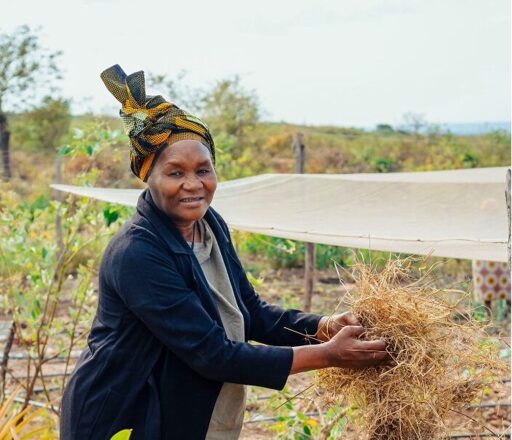
In Mozambique, southeast Africa, more than 1,600 women participate in agroecological practice programs across the provinces of Maputo and Gaza (both in the south), Tete (central region) and Cabo Delgado (far north). These initiatives are led by Hikone Moçambique, a civil society association founded in 2013 that seeks to empower rural women. The organization’s work focuses primarily on Mozambican women facing social vulnerability. The displacement of local populations, with resulting impacts on livelihoods, along with expropriation and concentration of land and resources, are some of the most common adverse effects associated with extractive industries that often amount to appropriation of nature through labor exploitation. According to Hikone Moçambique, extractive industries also undermine food sovereignty and exacerbate inequalities, disproportionately affecting women, who lose their income-generating alternatives. Hikone was co-founded by Mozambican social activist and current executive director Olga Muthambe. A feminist, community development practitioner, self-taught educator and mother of seven, she has over 30 years of experience with rural communities. In the 1990s, Muthambe worked with women and youth rehabilitation projects following the civil war in Mozambique (1977-1992), where she led initiatives to ensure food security. Decades later, in 2021, in the midst of another armed conflict in Cabo Delgado, the NGO expanded its work to support women affected by violence and forced displacement, which impacted around one million people in that province alone. Throughout its history, the organization has worked with more than 5,000 women across various activities, including training, community gatherings and seminars throughout Mozambique. In 2025, Muthambe also…This article was originally published on Mongabay
From Conservation news via This RSS Feed.