

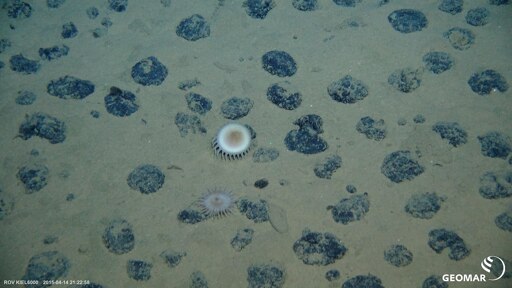
Three more African countries have joined calls for a precautionary pause on deep-sea mining until the environmental, social and economic impacts of such mining are better understood. This brings the number of African countries supporting a moratorium to six. Mauritius, Mozambique and the Republic of the Congo announced support for the precautionary pause during the annual meeting of the International Seabed Authority (ISA) in Kingston, Jamaica, in July, joining Malawi, Kenya and Madagascar. The government of Mauritius said in its statement during the ISA meeting that “the sustainable development of Mauritius is inextricably dependent on a healthy and resilient ocean.” Mauritius officials stressed that decisions regarding deep-seabed mining must be made based on “best available scientific evidence and by the precautionary approach, as enshrined in the United Nations Convention on the Law of the Sea.” Malawi was the first African country to support a precautionary pause in May 2026. Kenya and Madagascar followed in June. “The basis for all of these countries, while taking into account their individual contexts, is the lack of sufficient science and the governance gaps that persist,” David Willima from the Deep Sea Conservation Coalition (DSCC), a group of more than 140 NGOs and organizations, told Mongabay via email. The six African nations are among 46 countries globally that support a moratorium or precautionary pause on deep-seabed mining. The ocean floor in the deep sea has small, hard rocks called polymetallic nodules that contain minerals like nickel, cobalt and manganese. Countries and companies want to mine…This article was originally published on Mongabay
From Conservation news via This RSS Feed.