

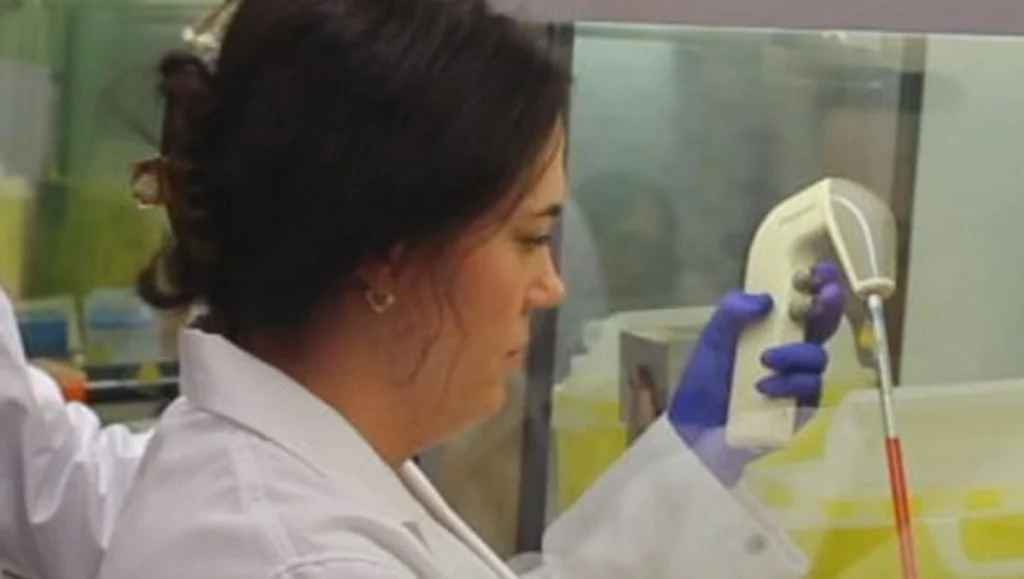
Their study provides a new platform to advance treatments for childhood heart diseases.
On Wednesday, the Murdoch Children’s Research Institute (MCRI) released a study showing that Australian scientists produced lab-grown heart valve tissues that closely resemble those in the human body.
RELATED:
Cuban Sciences Academy Awards Prize for Regenerative Medicine Research
Published in Cell Stem Cell, the findings offer new insights into how human heart valves develop, mature and become damaged. Holly Voges, a team leader in the MCRI Heart Regeneration group, said the breakthrough could help accelerate regenerative approaches to repairing damaged heart valves in children and adults.
Heart valve disease affects about 28 million people worldwide and can be caused by developmental abnormalities, infection or age-related degeneration.
Currently, there are no treatments that can reverse valve damage, with many patients relying on valve replacement surgery, which has significant limitations.
INSULIN-FREE AFTER STEM CELL TREATMENT
Scientists in China helped a woman with Type 1 diabetes produce insulin naturally again using her own stem cells. After the lab-grown cells were implanted into her body, she no longer needed daily insulin injections.
Researchers say… pic.twitter.com/Av0HMWHMBH
— Next Science (@NextScience) August 11, 2026
The researchers also showed that the platform could model inflammatory valve disease, an underlying precursor to rheumatic heart disease (RHD), which is largely preventable and disproportionately affects Indigenous populations in Australia.
“When exposed to inflammatory proteins linked to RHD discovered in previous studies, we found the engineered stem cell tissues became stiffer and showed biomarkers consistent with diseased human valves,” Voges said.
MCRI Professor Enzo Porrello said the technology could eventually support the development of stem cell-derived replacement valves that grow and adapt with patients.
teleSUR/ JF
Source: Xinhua
From teleSUR English via This RSS Feed.