

This article by Mara Ximena Pérez and Nayelli Ramírez Bautista originally appeared in the August 10, 2026 edition of La Jornada, Mexico’s premier left-wing daily newspaper.
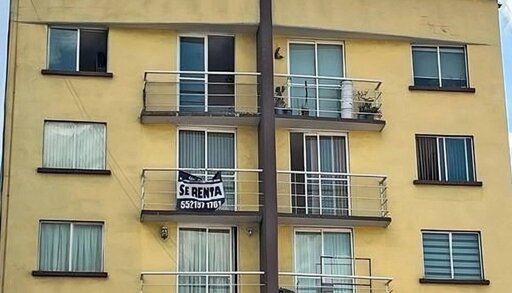
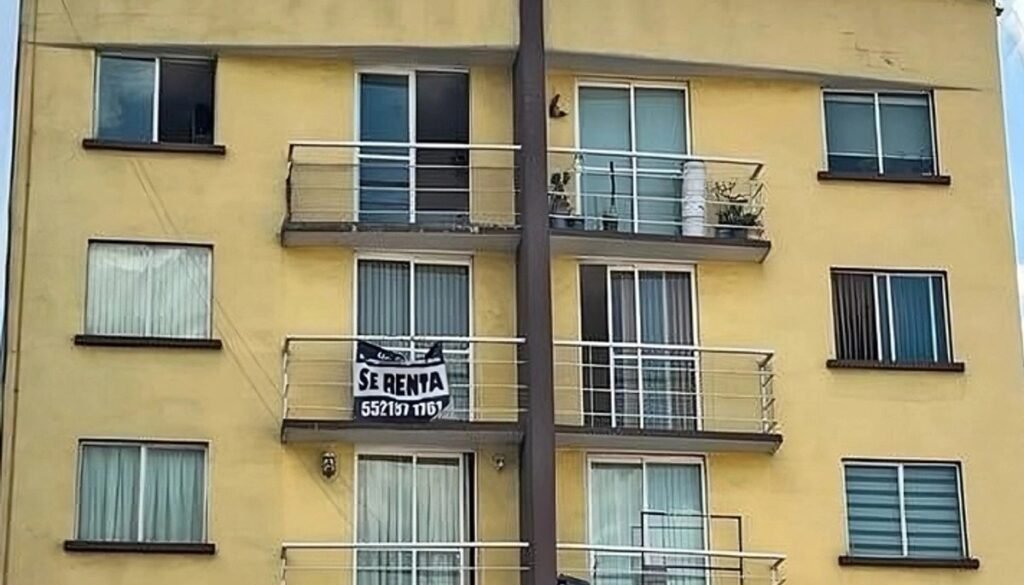
Nearly four months after the Mexico City Government announced an initiative to incorporate into the city’s Political Constitution measures that would limit rent increases above inflation, expand social housing, and protect neighborhood roots, rental prices maintain an upward trend. On this matter, specialists warn of the need to contain their rising cost and the challenges that applying these measures would entail.
In the past year alone, the median rental price rose 9.6 percent, compared with inflation of 3.6 percent, while during the first half of 2026 it accumulated an increase of 3.7 percent, according to the sales and rental index of the real estate listings platform Inmuebles24, with data through June.
The data show that a two-bedroom, 65-square-meter apartment costs on average 21,921 pesos per month in the capital, equivalent to almost 70 days of minimum wage, while a three-bedroom, 100-square-meter one reaches 30,618 pesos, that is, more than 97 days.
By borough, the highest rents are concentrated in Cuauhtémoc and Miguel Hidalgo, with averages of 29,149 and 27,786 pesos per month; they are followed by Cuajimalpa, Benito Juárez, and Álvaro Obregón, at around 21,000; Coyoacán and Azcapotzalco, at 17,000 and 16,000, respectively; while Tlalpan, Gustavo A. Madero, and Venustiano Carranza hover around 13,000 pesos.
Gap by Neighborhood
The gap is also reflected among neighborhoods: Hipódromo Condesa records the highest average rent, at 38,419 pesos per month, followed by Juárez and San Rafael. In an intermediate range are Roma Sur, at 26,541, and Mixcoac, at 21,000; while the Pantitlán area sits at the lowest extreme, at 10,865 pesos, 3.5 times less than the first.
On this point, José Ignacio Martínez Cortés, coordinator of the Laboratory of Analysis in Commerce, Economics, and Business at the UNAM Faculty of Political and Social Sciences, noted that housing prices “were not cheap at all” to begin with and that one of the consequences of the World Cup was the increase in property costs in some areas, due to the improvements made in the city for the event.
For this reason, he considered it necessary to apply measures to prevent housing prices from continuing to rise, because current costs make it difficult for people to afford even spaces of 50 or 70 square meters.
He said that a cap would be set using housing costs and inflation as a parameter and that, on the other hand, that registry would also be created. “And that’s where, of course, many won’t want to, because leasing is one thing and paying taxes on it is another.”
For his part, Alberto Pérez Naranjo, a civil and commercial lawyer, pointed out that one of the main challenges of the proposal will be reconciling the limit on rents with freedom of contract, since agreements between owners and tenants stem from the will of both parties.
Regarding the creation of a specialized ombudsman’s office to serve landlords and tenants, he warned that there could be a duplication with the functions of the Procuraduría Social.
In the end, he warned that difficulties in applying the reform could lead to amparo lawsuits, “the moment they harm a private individual against their guarantees and freedoms to contract.”
-
‘Alito’ Invokes the Idea of an Invasion from the US to Save Himself and Revive the PRI
August 11, 2026August 11, 2026
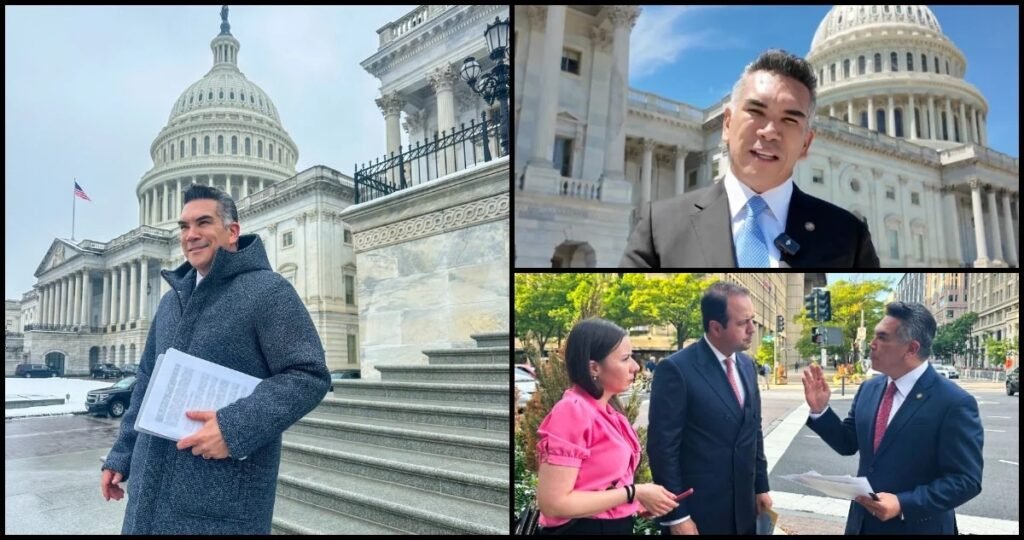
He filed a complaint with the State Department seeking sanctions and visa revocations against the electoral councilors who ordered him to stop calling Mexico a ‘terrorist and communist narco-dictatorship.’
-
Mexico City: Rents Rose More Than Double Inflation in a Year
August 11, 2026August 11, 2026
Four months after a stalled initiative to cap rent hikes, rental prices maintain an upward trend.
-
People’s Mañanera August 11
August 11, 2026August 11, 2026
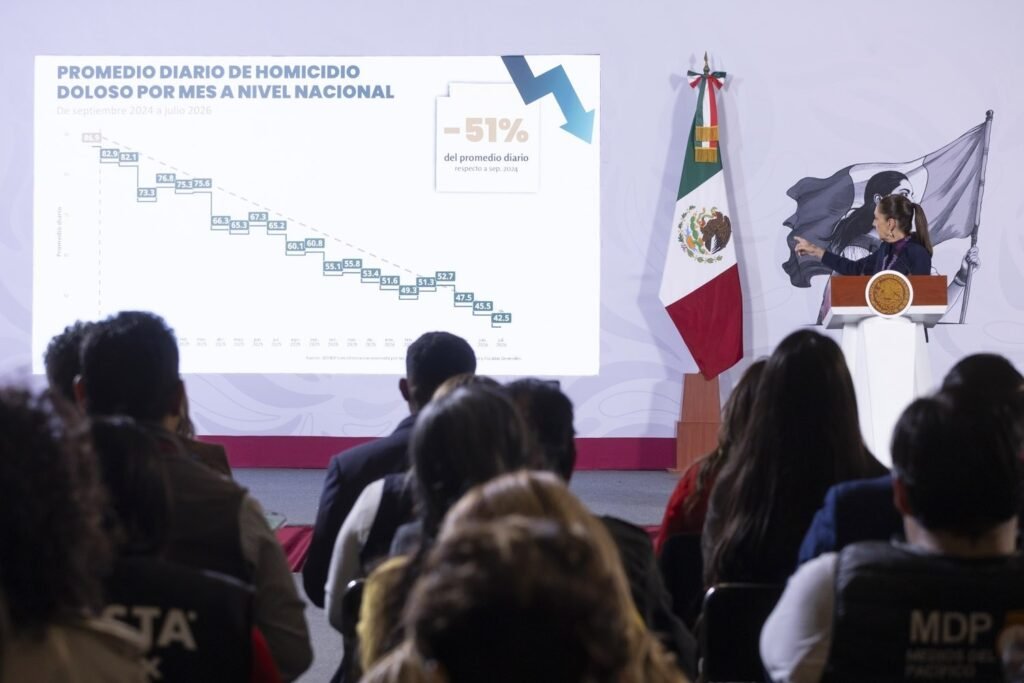
President Sheinbaum’s daily press conference, with comments on the security strategy, falling violence, arms trafficking, huachicol fiscal, freedom of expression, and the García Luna funds.
The post Mexico City: Rents Rose More Than Double Inflation in a Year appeared first on Mexico Solidarity Media.
From Mexico Solidarity Media via This RSS Feed.