

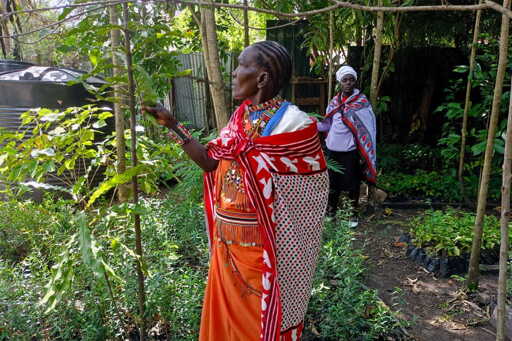
Before dawn breaks over Eor Ewaso, a village in southwestern Kenya, Judy Mukut is already awake. By 6:30 a.m., she has fetched water, milked the family’s cattle, prepared breakfast, cleaned the house and seen her children off to school. Only then does she leave home for a resource center run by the Paran Indigenous women’s organization, where another day’s conservation work begins. For Mukut, conservation of the Mau Forest is squeezed into the few hours left after fulfilling the responsibilities expected of her as a Maasai wife and mother. Yet it is this balancing act that reflects a quieter transformation taking place across one of Kenya’s most important forest ecosystems. As Indigenous women restore degraded sections of the Mau Forest, they are also earning independent incomes, participating in household decisions and reviving traditional ecological knowledge that once sustained their communities for generations before going dormant. Founded in 2005, the Paran Women Group has grown into a network of 64 registered Indigenous women’s groups, mostly drawn from Maasai and Ogiek communities in Narok county, as well as communities in West Pokot and Samburu counties. Through community-managed tree nurseries, kitchen gardens, village savings groups, beekeeping and landscape restoration, the organization has linked environmental conservation with women’s empowerment. To coordinate its expanding network, Paran established seven community resource centers. Rather than functioning as offices, the centers serve as demonstration sites where women raise seedlings, receive technical training and exchange traditional knowledge. “The work has taught us how to organize ourselves,” Mukut said. “Even…This article was originally published on Mongabay
From Conservation news via This RSS Feed.