

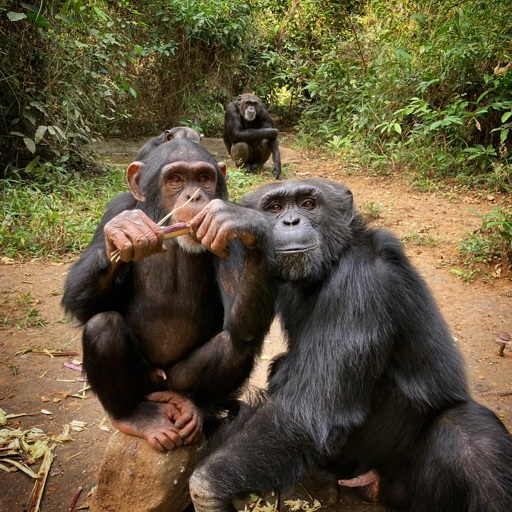
Founder’s Briefs: An occasional series where Mongabay founder Rhett Ayers Butler shares analysis, perspectives and story summaries. For more than three decades, Willie Tucker has helped care for Sierra Leone’s western chimpanzees and watched the pressures on them change, reports contributor Patricia Sia Ngevao for Mongabay. Tucker, widely known as “Pa Willie,” helped establish Tacugama Chimpanzee Sanctuary in 1995. Since then, the sanctuary has rescued and cared for hundreds of chimpanzees, many confiscated from the illegal pet trade. It now houses more than 120 critically endangered western chimpanzees (Pan troglodytes verus), indicating that trafficking remains a serious problem. Tacugama’s work also shows why wildlife protection cannot be separated from local livelihoods. The sanctuary supports nearby communities through livestock, seed, and other livelihood programs intended to reduce dependence on hunting and forest resources. Families with more dependable sources of food and income may have less need to exploit wildlife habitat. Such programs can also give communities a direct stake in conservation and make restrictions on forest use more workable. Public recognition has helped as well. In 2019, Sierra Leone designated the western chimpanzee as its national animal. Tucker says the decision increased awareness of the species and encouraged greater respect for it. National symbols do not protect habitat by themselves, but they can support education, enforcement, and political attention. Tacugama’s experience offers several practical lessons for conservation organizations. Rescue centers can do more than rehabilitate individual animals. They can train local staff, document wildlife crime, assist law enforcement, educate visitors, and…This article was originally published on Mongabay
From Conservation news via This RSS Feed.