


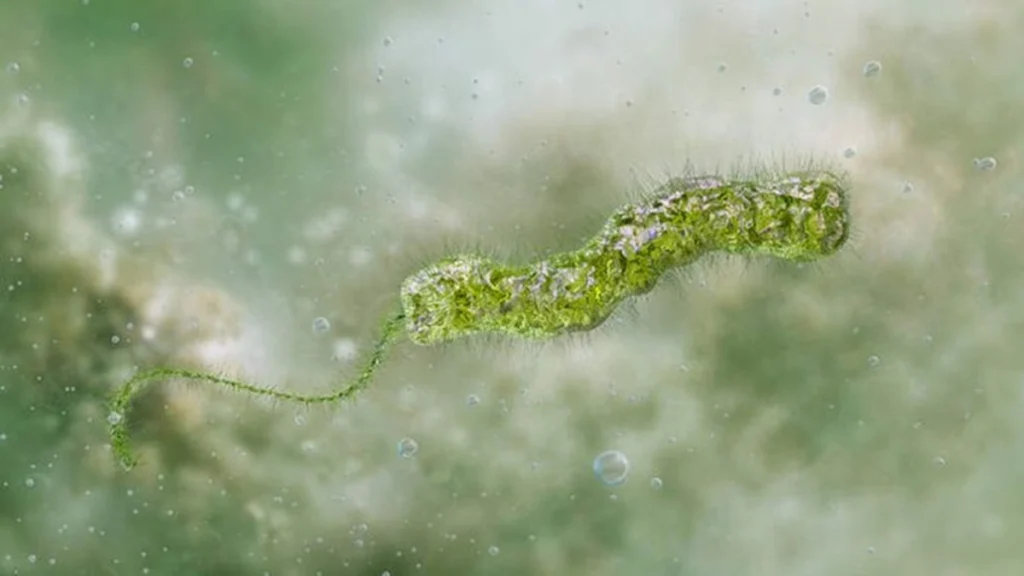
Health authorities urge caution around seawater and raw shellfish.
Deaths from a “flesh-eating” bacterium have risen to seven in the United States this year after five deaths were reported in Louisiana and one new death in Florida, both states on the Gulf Coast, where authorities are urging caution when entering the sea with open wounds or eating shellfish.
RELATED:
U.S. Recalls 1.5 Million Dozen Eggs Over Possible Salmonella Contamination
The Louisiana Department of Health (LHD) reported nine patients with the bacterium Vibrio vulnificus, all of whom have required hospitalization and five of whom have died, above the historical average of seven cases and one death during this time of year.
Meanwhile, in Florida, where the first U.S. death from the bacterium this year occurred July 30 in Palm Beach, the Department of Health reported another death in Marion County, in addition to a total of 14 cases.
Following the deaths, health officials urged the public to take precautions because cases increase from May to October, when temperatures are warmer, and infections can occur when people expose open wounds to seawater or eat raw shellfish, particularly oysters.
7 people have died after being infected with Vibrio vulnificus, a flesh-eating bacteria that contaminates water and seafood.
The Trump administration cut mandatory public health reporting of Vibrio vulnificus last year. pic.twitter.com/7dK7v3jdzH
— FactPost (@factpostnews) August 10, 2026
The bacterium is known as “flesh-eating” or carnivorous because a bloodstream infection causes blistering skin lesions, as well as symptoms such as fever, chills, low blood pressure, watery diarrhea, stomach cramps, nausea, vomiting and chills.
“People with severe infections may require intensive care or amputation of limbs. About one in five people with a Vibrio vulnificus infection dies, sometimes one or two days after becoming ill,” the LHD warned in a statement.
Between 150 and 200 infections from this specific bacterium are reported nationwide each year, particularly in states near the Gulf of Mexico, according to the Centers for Disease Control and Prevention (CDC).
Annual cases could progressively increase by 50% through 2090 compared with the historical record through 1995 because of rising sea temperatures, resulting in associated costs of US$6.1 billion, according to a study by the U.S. Department of Agriculture (USDA).
teleSUR/JF
Source: EFE
From teleSUR English via This RSS Feed.