

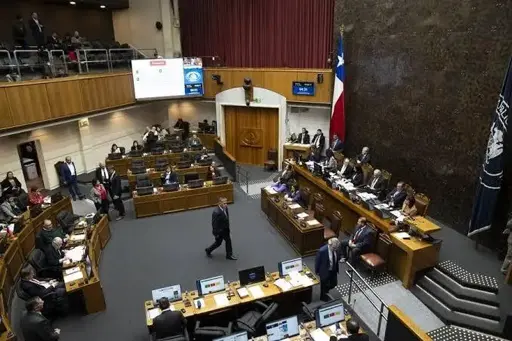
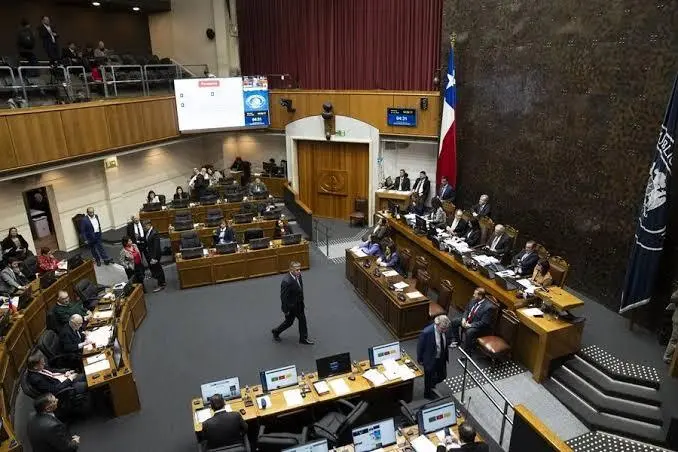
Opposition and ruling‑party sectors in Chile have jointly rejected a bill proposing a five‑year suspension of the Karin Law – the workplace anti‑harassment and anti‑violence regulation – with critics warning that the measure would dismantle hard‑won protections and revert to a state of impunity for labour abuse.
The proposal to keep the legislation on hold for five years was put forward by deputies from the far‑right National Libertarian Party (PNL), backed by the conservative Party of the People and other parliamentarians, citing an alleged overload on the labour system as their justification.
RELATED: Chile and Venezuela Formalize Resumption of Their Consular Relations
Broad Front (FA, in Spanish) caucus leader and Labour Commission member Gael Yeomans cautioned that the existence of thousands of complaints does not indicate a failed law. She argued instead that it reveals the magnitude of harassment that had previously remained silenced.
Independent deputy Jaime Araya, who is close to the Party for Democracy, contended that the PNL’s initiative would drive a regression towards lack of protection of workers.
FA deputy Carolina Tello pushed back against the characterization of a system collapse or an excess of complaints, asserting that her side views the situation as the end of impunity. She recalled that the more than 66,000 grievances filed are not a design flaw in the law but rather a diagnostic portrait of historical, structural, and normalized workplace violence in Chile that has at last found a genuine channel for reporting.
Senate President Paulina Núñez, from the right‑wing National Renewal party, weighed in on the controversy by stating that her vote would not be counted in favor of suspending the law. She added that while governments have refined the regulations as part of their prerogatives, it is not acceptable to leave unprotected those whose only safeguard for their rights is the Karin Law.
No cuenten con mi voto para suspender esta ley. Todos los gobiernos han perfeccionado los reglamentos, están en todo su derecho, pero no podemos desproteger a quienes solo han tenido la ley Karin para velar por sus derechos. pic.twitter.com/JUCRxdVznN
— Paulina NuñezUrrutia (@paulinanu) August 7, 2026
The Karin Law was enacted in 2024 under Gabriel Boric’s administration and bears the name of Karin Salgado, a nursing technician who suffered mistreatment and aggression from colleagues and superiors. Those abuses affected her emotional health and led her to take her own life in 2019.
From teleSUR English via This RSS Feed.