


A year-long campaign by animal rights groups has resulted in Brittany Ferries ceasing their cruel live export of animals from Ireland to France. The vile practice involves subjecting animals to lengthy journeys in dire conditions. Animals endure a terrifying experience in noisy, cramped, overheated environments, often without food or water, only to be murdered when they reach their destination.
Campaign group Four Paws pointed out that:
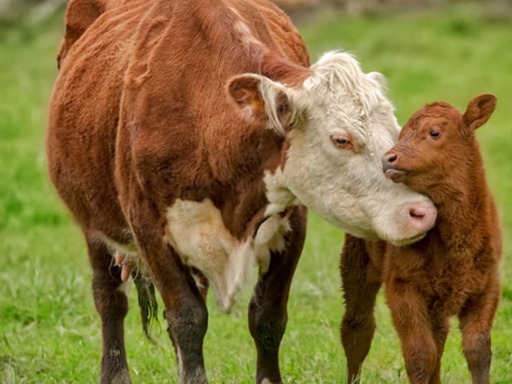
Among those transported were calves just a few weeks old, separated from their mothers and subjected to exhausting journeys across land and sea. Many travelled for more than 18 hours without food, before continuing by road to destinations including the Netherlands, Spain and Poland. Some journeys could last as long as 50 hours.
Of course, as recently highlighted by the Canary, the process of raising animals for food is cruel from beginning to end. However, any move that at least reduces some part of that harm can be considered progress.
Compassion in World Farming also celebrated the win, saying:
The decision directly follows months of concerted pressure from us and partner NGOs including Ethical Farming Ireland, Welfarm, FOUR PAWS, L124, Eyes on Animals, Eurogroup for Animals, Southampton Animal Action and Dorset Animal Action.
Brittany Ferries — Protest works as persistent campaign secures win
The activists launched their campaign when French-owned Brittany Ferries took the shameful decision to restart the shipping of live animals, following a 30-year period of not doing so. In response, animal rights supporters across Europe sent more than 100,000 emails in opposition. Protesters in Portsmouth routinely hit the company’s offices in the city.
Brittany Ferries also provides a passenger service for travellers across Europe. Those emailing made it clear they would be boycotting the company while they participated in needless animal cruelty.
Four Paws added:
Irish Ferries is now the only ferry operator continuing to carry unweaned calves from Ireland to France. With both Stena Line and Brittany Ferries withdrawing from the trade, Irish Ferries is becoming increasingly isolated.
This follows Stena Line announcing they too had ceased “transporting live, unweaned calves from Ireland to France”. Mainstream media in Ireland have predictably led with the voices of those who want to see the cruelty continue, namely the Irish Farmers Association and their backers in government, such as Fianna Fáil MEP Billy Kelleher. The latter said that agriculture minister Martin Heydon must be:
…prepared to step in if the market fails to respond.
Fianna Fáil are typically happy for the market to have its wicked way with working-class people, with limited intervention in the likes of housing and health care. But when a major industry lobbies for action to perpetuate mistreatment of animals, suddenly the market must be tamed.
Disgraceful Irish government allowed cattle to be shipped to ‘Israel’
The government was happy to stand back earlier this year, when an ‘Israeli’ vessel was disgracefully allowed to brutally drag thousands of Irish cattle away for slaughter in the genocidal Zionist apartheid settler-colony. Ireland Palestine Solidarity Campaign Louth slammed the decision, saying:
Shame on Greenore Port for facilitating this live export and turning a blind eye to animal welfare concerns. Ireland should not be trading with an apartheid state who is in breach of international law.
Aside from stopping disgraces like that, an additional intervention for government might be to begin shifting the Irish economy away from its focus on agriculture. People are increasingly turning away from meat, as they realise its destructive impact on animal welfare and the climate.
Researchers at The Conversation found that nearly 50% of young adults in Britain and the north of Ireland have considered ending meat consumption. Half of that group had already tried a meat-free diet. Previous research found that 51% of Europeans:
…say they have reduced their conventional meat intake.
There are promising signs of a shift away from the live export of animals. Britain banned ferrying of farmed animals in 2024. In 2023 New Zealand put in place a full ban on all live exports of cattle, sheep, deer, and goats by sea.
Now Corinna Reinisch at Four Paws says the Brittany Ferries move must be just one more step on the road to banning the cruel practice everywhere:
While we celebrate this development, it must also be seen as a wakeup call for others. Both the European Union and private companies must follow along. EU decision makers must realise that transporting live animals by sea is an outdated practice that causes unnecessary animal suffering.
Featured image via the Canary
From Canary via This RSS Feed.