

The measures target birth tourism and narrow citizenship exceptions, setting up a new legal battle over the 14th Amendment.
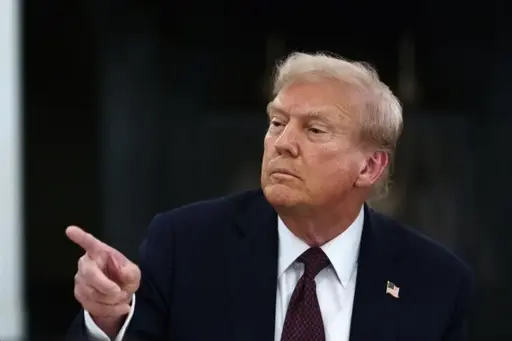
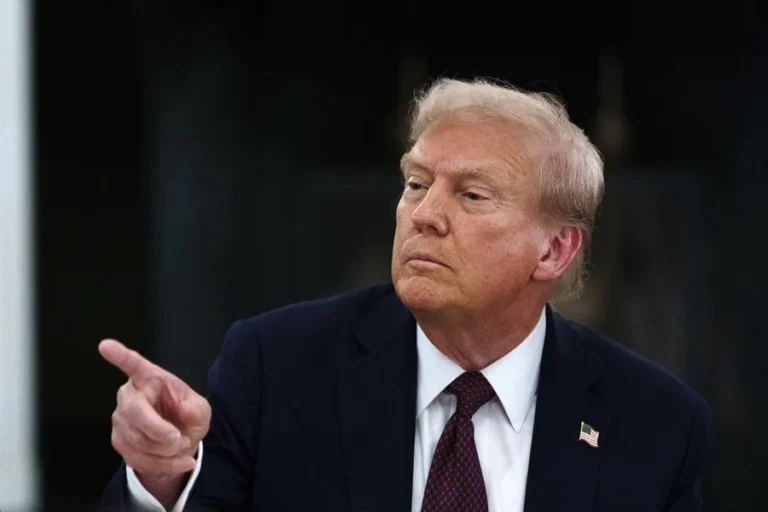
U.S. President Donald Trump signed two executive orders on Thursday aimed at restricting birthright citizenship through a narrower legal strategy after the Supreme Court struck down his earlier attempt to limit automatic citizenship for children born in the United States.
RELATED: U.S. Sanctions Five Cuban State Entities and Eight Officials
The measures focus on what the White House calls “birth tourism,” while also expanding the categories of people whose U.S.-born children could be excluded from automatic citizenship. The orders are widely expected to face immediate legal challenges.
The executive orders seek to prohibit birth tourism, a practice in which pregnant foreign nationals travel to the United States to give birth so their children acquire U.S. citizenship. Speaking during the signing ceremony in the Oval Office, White House aide Stephen Miller said the practice was banned effective immediately.
President Donald J. Trump is taking historic action to protect the value of American citizenship by ENDING the practice of birth tourism.
The privilege of United States citizenship is a priceless and profound gift. pic.twitter.com/NAvEhHNioQ
— The White House (@WhiteHouse) August 6, 2026
The orders also seek to restrict citizenship rights for children born in the United States to foreign government employees and to individuals classified as alien enemies. They could also affect people born in U.S. territories if Congress approves proposed legislation ending automatic citizenship there.
The move follows the Supreme Court’s June 30 decision striking down Trump’s broader executive order, issued on his first day in office in 2025. That directive instructed federal agencies not to recognize the citizenship of children born in the United States if neither parent was a U.S. citizen or lawful permanent resident, effectively targeting children of immigrants living in the country illegally or temporarily.
After the ruling, Trump urged Congress to legislate on birthright citizenship. Instead, he has now turned to executive orders, arguing that the latest measures reinterpret the Constitution’s historically narrow exceptions to birthright citizenship and therefore fall outside the scope of the Supreme Court’s decision.
Legal opposition
The new orders are expected to face swift court challenges. Legal experts questioned their practical effect in light of the Supreme Court’s ruling, while immigrant rights advocates accused the administration of attempting to circumvent the court’s decision.
“Just five weeks ago, the Supreme Court made clear that birthright citizenship is not subject to a president’s whims; it is a constitutional guarantee that has stood for more than 150 years. Today’s executive orders are nothing more than an attempt to get around that ruling,” said Deborah Fleischaker, a former Biden administration official who now works with UnidosUS.
Zain Lakhani of the Women’s Refugee Commission said the measures could undermine the rights of pregnant women seeking lawful entry into the United States “in one of the most vulnerable moments of their lives” and called on the government to issue guidance consistent with the Supreme Court’s ruling.
The American Civil Liberties Union also predicted the executive orders would ultimately fail in court.
Constitutional debate
Trump defended the measures by arguing that the constitutional provision guaranteeing birthright citizenship was adopted in a different historical context.
“This was done for a different reason. This was done right after the Civil War. This was for the babies of slaves, and what’s happening now?” he said.
Referring to birth tourism, Trump added: “That’s not the way it’s supposed to work. It’s a disgrace. They’re buying their way in, and we’re not going to let it happen.”
The Citizenship Clause of the 14th Amendment states that “all persons born or naturalized in the United States, and subject to the jurisdiction thereof, are citizens of the United States and of the state wherein they reside.” It has long been interpreted as guaranteeing citizenship to nearly everyone born in the country, with limited exceptions such as the children of foreign diplomats or members of an enemy occupying force.
Writing for the Supreme Court in its June ruling, Chief Justice John Roberts said the authors of the 14th Amendment extended that guarantee to every free-born person in the country.
“Citizenship, then and now, was the right to have rights — to freely participate in our political community. We keep that promise today,” Roberts wrote.
Birth tourism
The White House has identified birth tourism as a priority in its broader immigration agenda. The Center for Immigration Studies estimated in a 2020 analysis that between 20,000 and 25,000 mothers traveled to the United States for birth tourism during a one-year period between 2016 and 2017.
There are no official government figures on how many foreign nationals travel to the United States specifically to give birth or on the associated cost to taxpayers. The country recorded 3.6 million births in 2025.
From teleSUR English via This RSS Feed.