

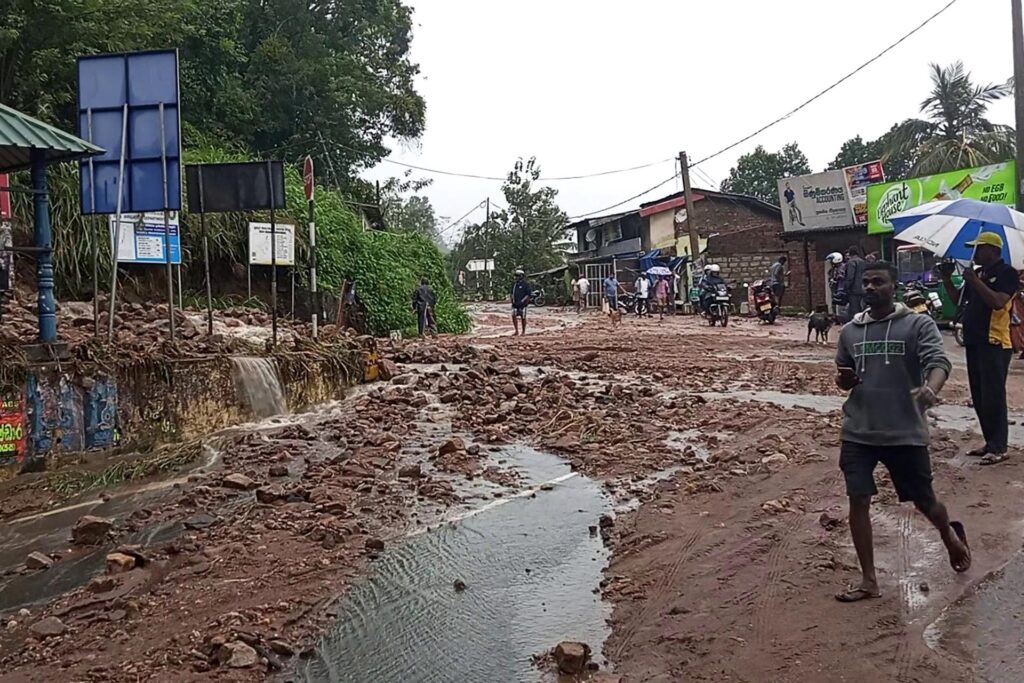
The World Food Programme (WFP) warned this Wednesday that the intensifying El Niño phenomenon will push 49 million additional people into acute food insecurity by the end of 2027.
WFP‘s global analysis covers 45 vulnerable countries affected by droughts, floods and extreme thermal variations.
The projection anticipates a 22% increase in global malnutrition and severe food deprivation levels, raising the total number of affected people from 225 million to 274 million in the evaluated regions.
RELATED: Super El Niño Drives Disaster Preparedness in Latin America
The largest relative impacts concentrate in Central America, where the affected population would grow by 83.1%, and in southern Africa, where more than 12 million additional people will face severe supply risks due to deteriorating rain-fed harvests.
The combination of prolonged droughts and sudden floods directly strikes the livelihoods of rural communities dependent on increasingly unpredictable seasonal agriculture.
El Niño, a cyclical warming of Pacific Ocean waters, alters rainfall patterns across the planet. The current episode develops with unusual intensity, according to meteorological agencies, and compounds the effects of climate change in regions already marked by chronic vulnerability.
WFP is ramping up preparedness and response as #ElNiño threatens to worsen hunger.
A new analysis shows where impacts may hit hardest.
At a time of shrinking humanitarian funding, acting early can help protect lives, livelihoods and reduce the cost of responding later.
— World Food Programme (@WFP) August 5, 2026
In Central America, the dry corridor stretching from Guatemala to Nicaragua concentrates some of the most acute risks. Thousands of farming families depend on maize and bean crops that fail when rains arrive late or never come. The 83.1% projected growth places the region among the most exposed to the phenomenon worldwide.
In southern Africa, the situation is equally critical. More than 12 million additional people face severe supply risks as rain-fed harvests deteriorate across several countries simultaneously. The region struggles with recurrent droughts, and El Niño threatens to deepen chronic food deficits in communities that have not fully recovered from previous emergencies.
Forecasts don’t stop droughts or floods. But they do give us time to act.
WFP is working with governments and partners around the world to help communities prepare for the impacts of #ElNiño before they escalate into food crises.
Hear more from WFP’s expert Richard
pic.twitter.com/LVlILvkDLT
— World Food Programme (@WFP) August 4, 2026
Funding Gaps Weaken
Faced with this scenario, WFP activated anticipatory action plans in more than 50 nations, with direct funds, climate risk insurance and cash transfers to protect vulnerable families before agricultural losses consolidate.
This strategy seeks to reduce humanitarian impact through prevention instead of waiting for a declared emergency. WFP releases funds and insurance payments when forecasts indicate a high probability of disaster, allowing families to reinforce homes, protect livestock or relocate before floods arrive. The approach reduces long-term aid costs and preserves the dignity of affected communities.
However, organization spokespersons warned that recent budget cuts in international cooperation reduced the capacity for data collection and field monitoring.
The El Niño threat exposes the fragility of food systems in Southern nations, historically marginalized from global climate financing mechanisms. Without a firm commitment from industrialized countries to technology and resource transfer, WFP projections anticipate a scenario of growing scarcity that will deepen inequality between central economies and the planet’s agricultural peripheries.
The warning arrives at a moment when international cooperation faces financing cuts that limit early detection capacities. For the Global South, the question is not whether El Niño will arrive but whether the international community will respond with the speed and resources the scale of the threat demands.
From teleSUR English via This RSS Feed.