

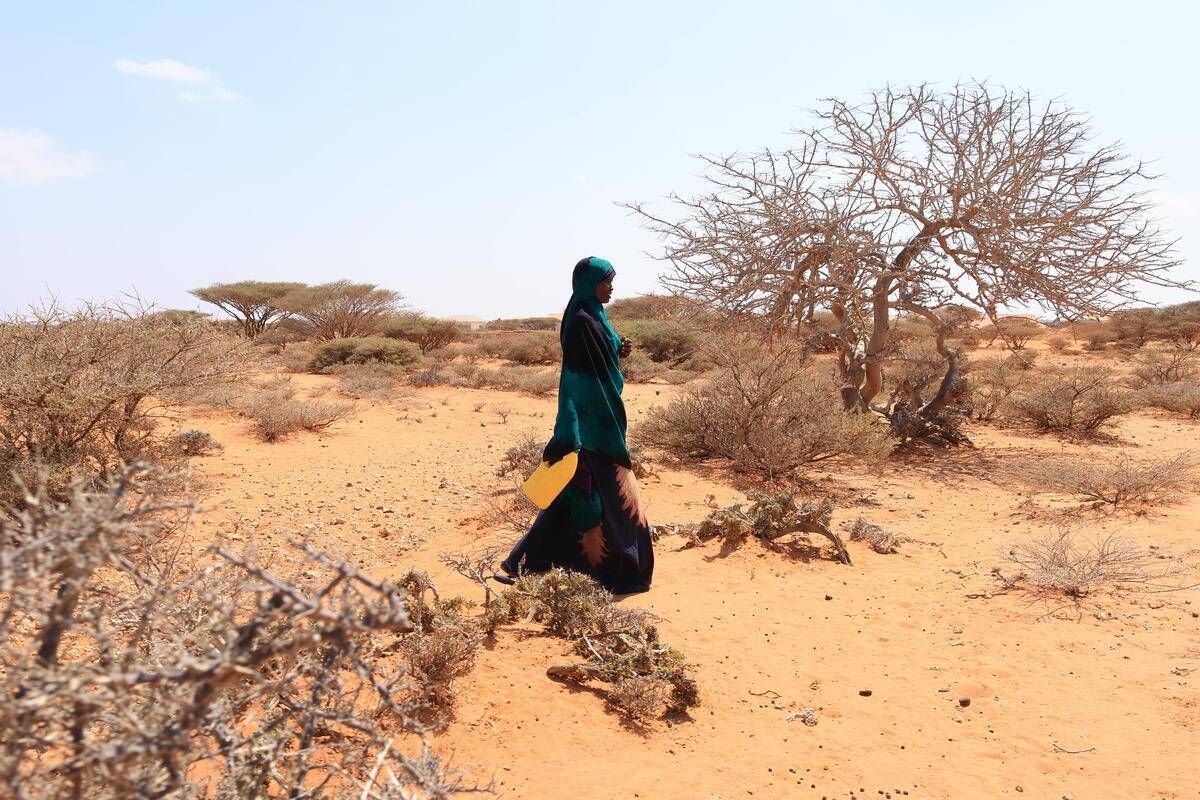
The United Nations World Food Program on Wednesday warned that close to 50 million more people across the world are facing the prospect of acute hunger due to the El Niño climate pattern that has emerged this summer.
By the end of the year, the WFP projects that 49 million more people could be unable to meet their daily food needs thanks to El Niño, which features warmer than average temperatures in the Pacific Ocean and can cause an increase in extreme weather.
Countries in Central America and southern Africa are expected to be hardest hit by El Niño this year. According to WFP’s analysis, southern African nations are “particularly exposed because many households depend on rain-fed subsistence agriculture,” while nations in Latin America and the Caribbean “could see one of the sharpest rises in food insecurity, with more than 16 million people affected.”
“El Niño is a massive threat to the food security of millions who are already vulnerable,” said Carl Skau, acting executive director of the WFP. “The sooner we help families to prepare for these climate shocks, the greater our ability to save lives and protect livelihoods.”
WFP said it’s boosting its hunger prevention efforts in eight countries that are particularly at risk, noting that it has already “triggered anticipatory action plans in South Sudan, Chad, Mauritania, Uganda, Guatemala, and El Salvador, providing more than $14 million in lifesaving responses to support half a million people.”
Celeste Saulo, secretary-general of the World Meteorological Organization (WMO), warned in June that El Niño “will exacerbate drought and heavy rainfall and increase the risk of heatwaves both on land and in the ocean.”
While El Niño is a recurring phenomenon, a Wednesday report in The Guardian noted that “its impacts and strength are being strongly affected by the climate crisis,” with meteorological experts saying it could lead to the hottest year on record in 2027.
From Common Dreams via This RSS Feed.