

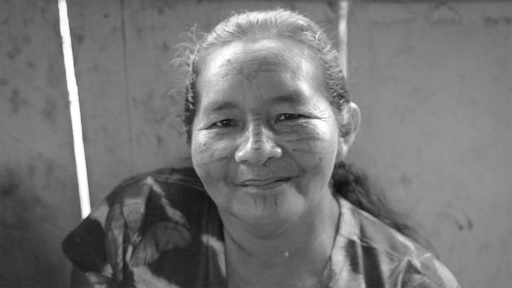
Before clay could be taken from the earth, permission had to be sought. “Grandmother, are you there?” the potter would ask. “I am your granddaughter. I have come to find you.” The words were addressed to Di’i Mahso, Grandmother Clay, who taught women how to find the right material and craft the first cooking vessels. Oscarina Caldas Azevedo knew these words and the deep ecological obligations behind them. A master ceramicist of the Desana people, farmer, and pioneering Indigenous environmental researcher, Azevedo died on July 4th in her home community of Cunuri, in the Brazilian Amazon. Known as Doña Oscarina, her life’s work proved that traditional Amazonian cosmology, women’s agricultural knowledge, and modern climate science were inseparable. Born in 1967 in Santa Ana do Médio Tiquié, in the upper Rio Negro region of Amazonas state, she grew up in Cunuri beside the Tiquié River—a landscape where communities are linked by waterways, family ties, and shared languages. She entered the local school at five. At 13, she moved to the Salesian mission school in Pari Cachoeira. During a holiday two years later, she met Rafael Azevedo. They were advised to marry and spent more than four decades together. Their home became a place of farming, research, ceremony, and instruction. Oscarina cultivated cassava, medicinal plants, and other crops. She made ceramics and taught younger women how to find and prepare clay, shape vessels, and fire them. Rafael carried knowledge of ritual practice. Their work was closely shared. Oscarina’s skill as a…This article was originally published on Mongabay
From Conservation news via This RSS Feed.