

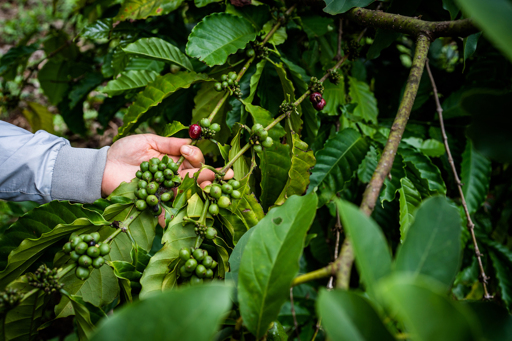
Vietnam is now the world’s largest producer of robusta, the bitter, sturdy bean behind instant coffee, supermarket blends, and the overall global appetite for cheap caffeine. But behind its meteoric rise to No. 2 coffee producer in the world lies a story the industry has tried very hard to hide: forests are disappearing, wildlife is vanishing, and rural communities are being pushed to the brink. As ecosystems start to collapse, coffee is getting harder and harder to grow, and the brands buying that coffee and filling supermarket shelves from Copenhagen to California are complicit every step of the way. Our new Coffee Watch investigation, “Vietnam: Robusta’s Reckoning,” reveals the scale of the crisis. Forests the size of Luxembourg have been wiped out for coffee. In biodiversity hotspots like Vietnam’s Central Highlands, wildlife like tigers, elephants, civets, sun bears, adorable flying squirrels, and delicate saola (sometimes referred to as the “Asian unicorn”), have been squeezed into ever‑smaller fragments of habitat, or just plain wiped out. Communities are losing the very ecosystems that sustain them, and this destruction is largely happening so the world can enjoy cheap robusta in instant coffee, capsules, and mass‑market blends. Typical landscape in Vietnam that’s suitable for growing robusta coffee. Image by Michael Tatarski for Mongabay. Vietnam’s rise as a coffee superpower is often framed as a rural development miracle, but the truth is far darker. Smallholder farmers, who grow the vast majority of Vietnam’s coffee, are trapped in a system that rewards expansion into forested land…This article was originally published on Mongabay
From Conservation news via This RSS Feed.