

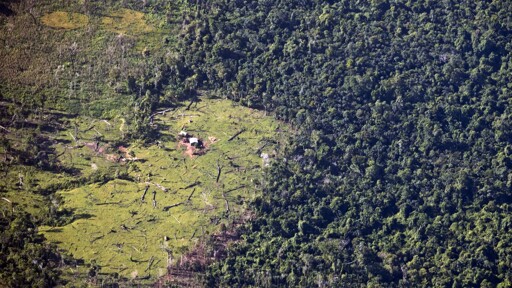
In Nicaragua, the mining sector has steadily grown over the last two decades, with gold becoming a top export and a pillar of the national economy. For most of that time, the growth was gradual. But in more recent years, there’s been an unprecedented boom, with the creation of dozens of mining concessions and a rush of new legislation to attract foreign companies. The boom coincides with Nicaragua’s increasing economic and political isolation. President Daniel Ortega has cracked down on dissent and cancelled elections, prompting countries like the U.S. and Canada to issue sanctions against numerous officials and institutions, making it difficult for them to trade and carry out other international business. With the price of gold on the rise, the government has turned to mining for economic stability. That decision has been disastrous for the environment and Indigenous communities, critics say. Mining concessions have started encroaching on protected areas and ancestral territory, threatening pollution, deforestation, and the displacement of residents, among other issues. “From 2022 and on, there’s been an incredible boom in the number of concessions granted,” said Carmen Corea-Sánchez, lead author of a new report from community-based Indigenous group Wangki and other researchers. A golden age of mining Ortega held office in the late 1980s and took power again in 2007, ushering in a massive investment in the mining sector, largely propelled by Chinese interest in the country and Latin America more broadly. In 2006, the year before he returned to office, Nicaragua exported 109,200 ounces of…This article was originally published on Mongabay
From Conservation news via This RSS Feed.