

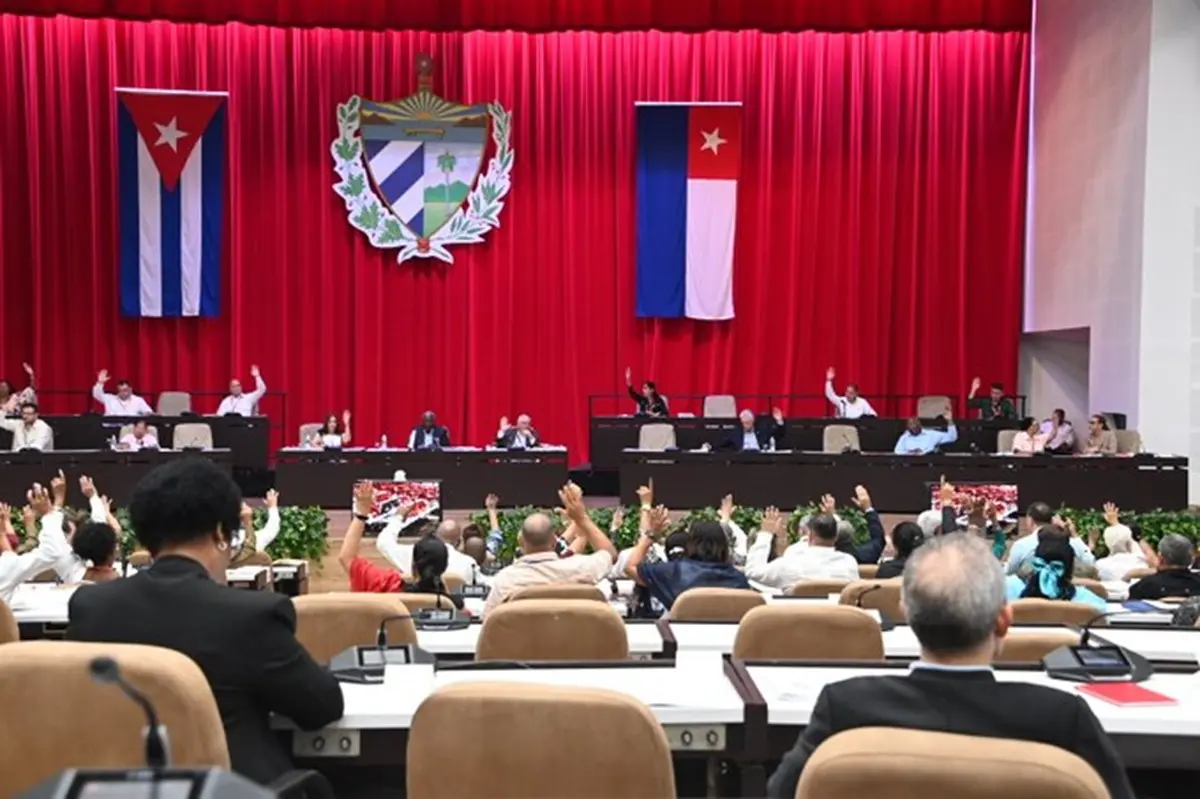
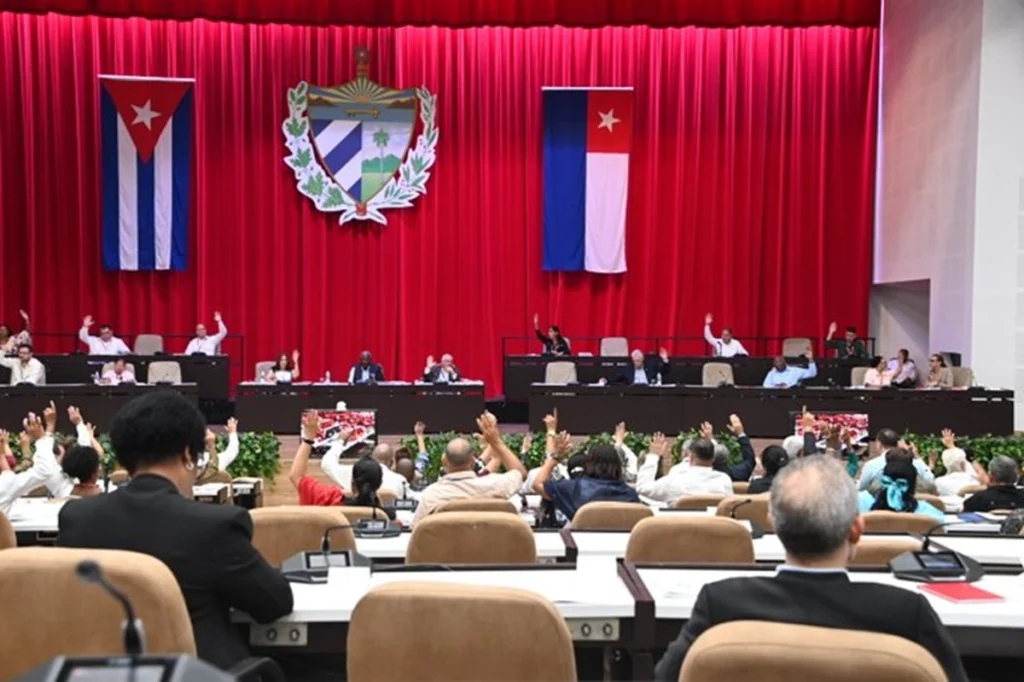
The law was developed through a participatory process that incorporated nearly 97,000 proposals.
On Thursday, the Cuban National Assembly approved a new Labor Code during the Seventh Session of the Tenth Legislature, backed by public consultations and designed to protect income and expand labor rights.
RELATED:
Cuba begins national consultation to update the Labor Code
Labor Minister Jesus Otamendiz described the law as a “fundamental tool” for socioeconomic transformations, replacing Law 116 of 2013 and updating the labor framework in accordance with the 2019 Constitution.
The draft was developed through a participatory process that incorporated nearly 97,000 proposals, 43% of which were included, and with input from more than 200,000 workers in the non-state sector.
The law preserves acquired rights and grants new guarantees, especially for those working for private sector employers, strengthening income protection in the event of interruptions, business closures, or corporate restructurings.
U.S. politicians call Cuba’s medical missions “forced labor,” without providing evidence to back the claim. Listen to Cuban doctors in Italy’s Southern region of Calabria respond to U.S. accusations in our latest film, “From Cuba to Calabria.” https://t.co/gEATUnWkA5 pic.twitter.com/nTRpmM9jCI
— Belly of the Beast (@bellybeastcuba) June 22, 2026
The law also strengthens collective labor relations, negotiation, and alternative dispute resolution through union, institutional, and judicial mechanisms, guaranteeing effective legal protection for workers.
Elba Martínez Amador, Vice President of the Commission on Constitutional and Legal Affairs, emphasized that the Code refines regulations that ensure labor rights and obligations applicable to all employment sectors in Cuba.
President Miguel Diaz-Canel affirmed that the reforms reflect a “sovereign decision” to consolidate socialism, rejecting privatization or a capitalist model, and guaranteeing free universal services such as health, education, science, and culture.
#Cuba | President Miguel Diaz-Canel strongly criticized the U.S. State Department for its ongoing sanctions, calling them modern coercive edicts. He highlighted the severe economic hardships.#UnitedStates #EndTheBlockade #teleSUREnglish pic.twitter.com/8nEVIkw4fA
— teleSUR English (@telesurenglish) July 27, 2026
teleSUR: JP
Source: EFE
From teleSUR English via This RSS Feed.