

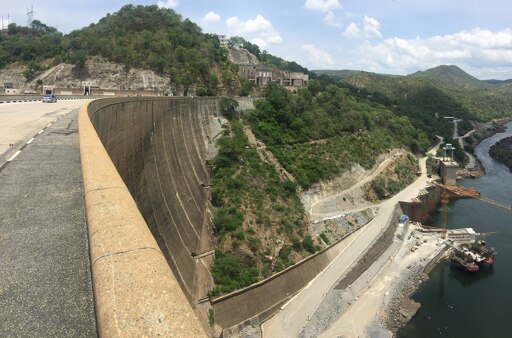
LUSAKA —For years, Zambia and Zimbabwe have boasted of enviable success in harnessing hydropower. More than 80% of Zambia’s power supply and about half of neighboring Zimbabwe’s supply came from hydropower sources in 2024. But climate change has continued to expose the fragility of this dependence. Successive droughts, linked to the 2023-24 El Niño, caused water levels in Lake Kariba, formed by a dam on Zambezi River, to drop, drastically reducing electricity generation. It precipitated one of the region’s worst energy crises in decades. Against this backdrop, coal re-emerged as an attractive, although controversial, option. According to the Global Energy Monitor’s Boom and Bust Coal 2026 report, Zambia and Zimbabwe accounted for more than two-thirds of all new coal power proposals announced in Africa in 2025. Some energy experts argue that coal offers the quickest route to stabilizing electricity supplies and sustaining industrial growth, particularly for the mining sector. Electricity systems in Zimbabwe and Zambia power mining activities, industries and help meet the needs of growing urban populations. However, others warn that expanding coal-fired power risks locking both countries into decades of carbon emissions at a time when renewable energy technologies — especially solar — are becoming increasingly affordable. For Zimbabwe, however, coal has never completely disappeared from that country’s energy landscape. Power Shift Africa Campaigns Manager Kudakwashe Manjonjo said Zimbabwe’s reliance on coal is rooted in history. “Zimbabwe has always been a significant coal-producing country. I live in Hwange, home to one of the largest coal mines on the…This article was originally published on Mongabay
From Conservation news via This RSS Feed.
Solar instead please…
