

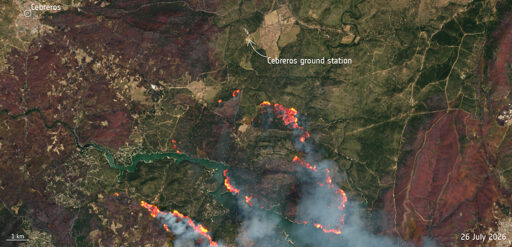
Human-induced climate change drastically fueled the weather behind recent devastating wildfires in France and Spain, according to a new rapid analysis by researchers studying the role of climate change on today’s extreme weather. In its report, the World Weather Attribution (WWA), a global network of researchers, noted that severe blazes scorched 140,000 hectares (346,000 acres) in Spain and more than 115,000 hectares (284,000 acres) in France, forcing more than 300,000 people to flee. The researchers found that “tinderbox conditions” that favor fires, including extreme heat waves and unusually low rainfall, are at least twice as likely in southwestern France and at least 20 times more likely in central Spain in today’s climate than during the preindustrial climate. (Average temperatures back then, before the advent of large-scale greenhouse gas emissions, were 1.4° Celsius (2.52° Fahrenheit) cooler.) These figures are considered conservative estimates, the researchers said. In today’s climatic conditions, the report said, fires of the intensity seen in July are expected every 20 years in southwestern France and every six years in central Spain. The analysis found that a critical driver of the wildfires was above-average winter rainfall that spurred lush vegetation growth, followed by an exceptionally dry spring and summer that turned that biomass into highly flammable fuel. “Relentless heat — fuelled by human-caused climate change — has created the conditions for sparks to take hold and become massive, dangerous wildfires,” report co-author Clair Barnes, a research associate at Imperial College London, said in a press release. The analysis also…This article was originally published on Mongabay
From Conservation news via This RSS Feed.