

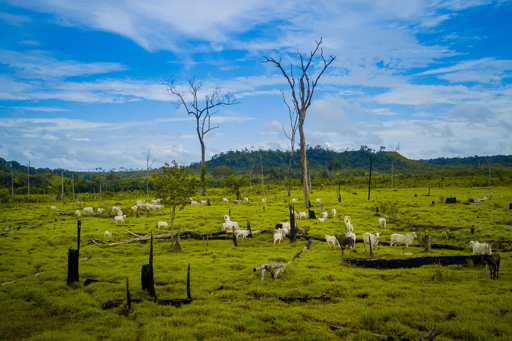
Nigeria may soon become the site of one of the largest livestock investments in its history. JBS, the world’s largest meat company, is pursuing a reported $2.5 billion investment that could reshape parts of the country’s agricultural sector. The proposal has been welcomed by many for its potential economic benefits, but before it moves forward, Nigerians deserve clear answers about what it could mean for communities, land, water, and the climate. Much of the discussion around the project has focused on jobs, agricultural development, food security, and economic opportunity. Those are important goals. But there is another dimension that deserves far greater scrutiny: Methane. JBS is not simply the world’s largest meat producer. It is also responsible for more methane emissions than ExxonMobil and Shell combined, according to estimates published by Greenpeace in 2024. JBS undoubtedly disputes these figures, but the broader point is difficult to ignore: When measured by climate impact, the world’s largest livestock companies increasingly belong in the same conversation as the world’s largest fossil fuel companies. Methane rarely attracts the same public attention as carbon dioxide, yet it is responsible for roughly a third of the warming the world is experiencing today. Because it traps far more heat than carbon dioxide over the short term, cutting methane emissions is widely seen as one of the fastest ways to slow near-term climate change. Much of the public debate focuses on oil and gas. But industrial livestock production is also a major source, accounting for much of the…This article was originally published on Mongabay
From Conservation news via This RSS Feed.