

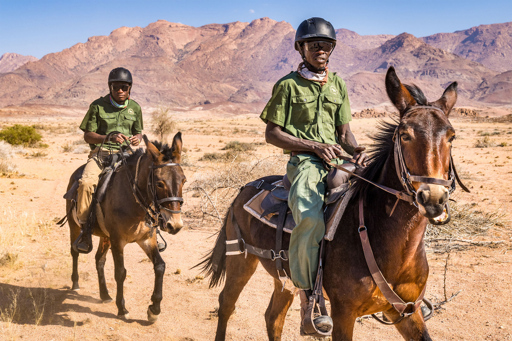
It is always a tragedy when a ranger is injured in the line of duty. Sadly, it is a story we have come to know all too well: brave men and women head into the field each day, and on occasion, whether at the hands of armed groups, dangerous wildlife, or environmental emergencies, it goes horribly wrong. What is perhaps less considered, and something I have seen the effects of firsthand, is that not all rangers have access to the same levels of support if something does go haywire. This was the case earlier this month when, regrettably, two rangers were involved in a serious vehicle accident while on duty in Mozambique. Both were badly injured and required urgent medical care. Yet what happened afterward was very different for each of them. One was enrolled in the Game Rangers Association of Africa (GRAA’s) RangerProtect, an insurance scheme that covers medical treatment and evacuation for rangers injured in the field. The other was not. While both were rescued quickly and treated at the nearest suitable medical facility, the ranger without that cover faced far more limited options for his ongoing care and recovery. Particularly as we approach World Ranger Day on July 31, we must recognize the extraordinary sacrifices rangers make to protect our natural heritage. But the recent incident is a stark reminder that these sacrifices are all too often made without the support system rangers need to do their job safely and effectively. Field rangers participate in a drill…This article was originally published on Mongabay
From Conservation news via This RSS Feed.