

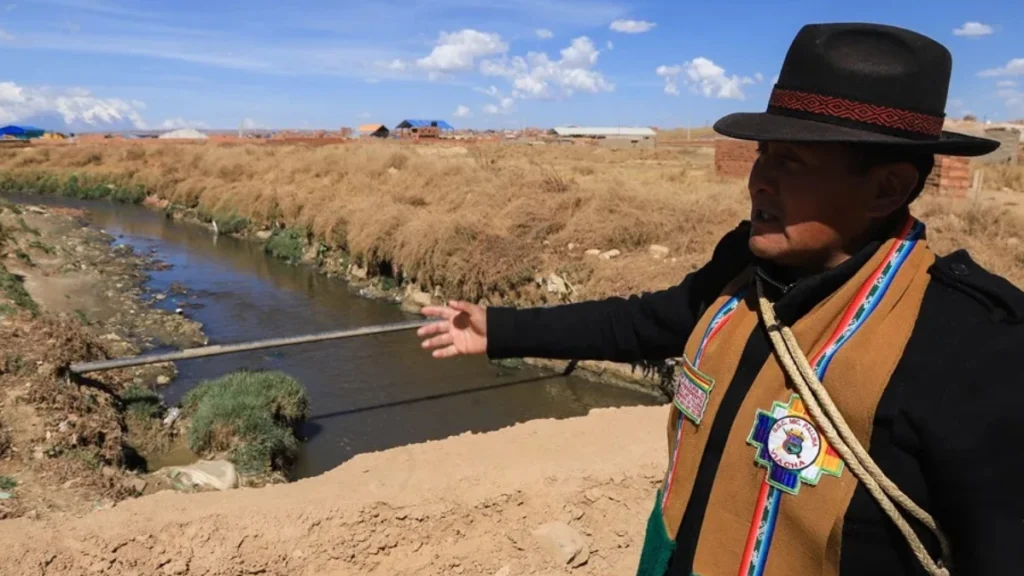
Scientific studies in Bolivia have confirmed elevated mercury contamination in four indigenous communities residing in the Beni, Mamoré, and Madre de Dios river basins, with hair analysis revealing levels above acceptable thresholds in 74 to 96 percent lof residents.
Pablo Villegas, from Bolivia’s Centre for Communication and Information, reported that the contamination readings are several times higher than the threshold considered acceptable by the World Health Organization across all communities tested.
RELATED: Bolivia Orders Arrest of Former President Evo Morales Amid Political Crisis
The main contamination pathway is the consumption of fish exposed to mercury waste discharged by so-called mining cooperatives engaged in illegal gold extraction, according to the study.
Research physician Roger Carvajal, from San Andrés State University, explained that recent investigations have shown herbivorous fish – more commonly eaten in the Madre de Dios basin – carry lower contamination levels, while carnivorous species show variable readings across different territories, which he suggested could account for the higher hair contamination observed in the Beni basin compared to Madre de Dios.
Tito Estévez, vice-rector of San José de la Paz State University, emphasised that the gold extraction does not benefit the Bolivian people, accusing those who take the gold of failing to pay even a quarter of the taxes paid by ordinary citizens and calling for an end to complicity through silence.
La Paz State University has proposed at least three mercury-free extraction methods to the cooperatives, which would allow for higher mineral recovery, according to the information provided. However, the mining cooperatives rejected the alternatives due to the upfront investment required.
#RTPInforma
Alerta: el impacto del mercurio se extiende al aire
https://t.co/E72jEyPc5B pic.twitter.com/MenVJPj2es
— RTP Bolivia (@rtp_bolivia) July 28, 2026
From teleSUR English via This RSS Feed.