

Lula da Silva to Boost Food Reserves and Strengthen Wildfire Response Ahead of Climate Impacts.
On Wednesday, Brazil announced a US$260 million preventive package to mitigate the impacts of El Niño, which meteorological agencies forecast will be very intense. The country’s strategy to address the climate phenomenon is based on the possible increase in temperatures above 2% for 2026-2027.
RELATED:
WMO Warns El Niño Could Intensify Global Weather Risks
The new budget allocation will be used largely to build public food reserves for distribution to affected populations, combat wildfires, enhance climate monitoring and strengthen health infrastructure.
About US$166 million will be allocated to the purchase of 310,000 metric tons of rice and 180,000 metric tons of corn to reinforce public reserves amid the risk of a poor harvest.
During a ministerial meeting, President Lula da Silva emphasized the need to coordinate actions with specialists and state and municipal governments.
“We are seeing in Spain a fire they never imagined they could have. And then you realize it is not because of a lack of money; it is because no one is prepared to face nature when it rebels. We are prepared and asking God that it does not happen,” he said.
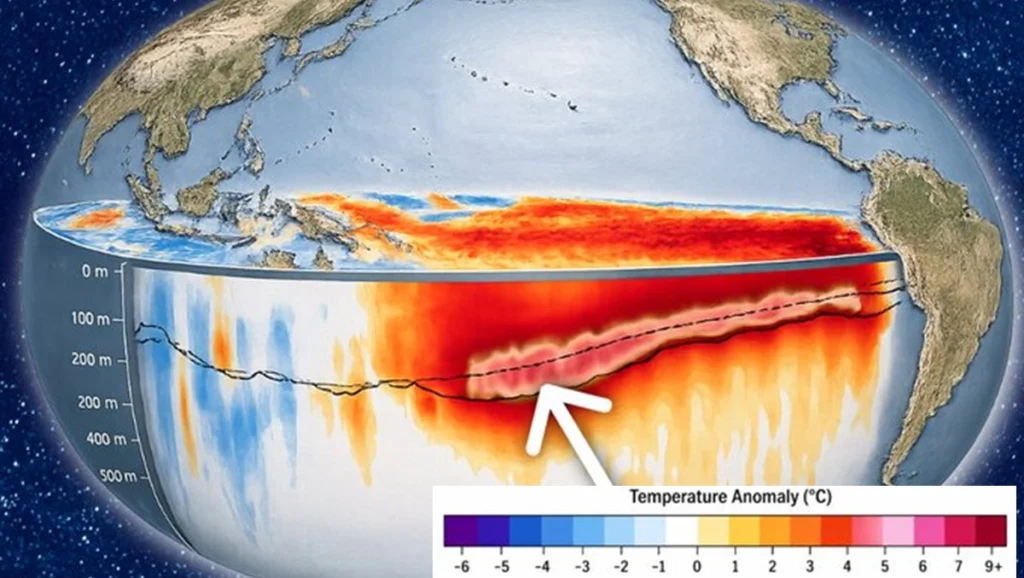
El Niño is expected to dominate through August, with a sprawling “standing wave” of rising air anchored over the exceptionally warm waters of the tropical Pacific.
This is expected to fuel several hurricanes and typhoons in the coming weeks. pic.twitter.com/OL7sGFp9rH
— Ben Noll (@BenNollWeather) July 23, 2026
According to projections, El Niño will bring a more severe drought to the northern region, where the Amazon is located, increase the risk of wildfires and delay rainfall in Brazil’s Central-West and Southeast regions. By contrast, above-average rainfall is expected in the southern region, increasing the risk of flooding and landslides.
Chief of Staff Minister Miriam Belchior detailed a series of measures the government has implemented during its three years in office to prevent and respond to climate crises, and announced a new set of measures to be implemented during the second half of the year.
Among them is the creation of a “Situation Room” that will bring together 24 ministries and federal agencies to issue monthly reports, gathering science-based data to anticipate actions aimed at protecting vulnerable populations.
In the health sector, eight “Health and Climate” centers will be established across the country’s five regions. They will operate as an integrated intelligence system to collect data and analyze the epidemiological impact.
teleSUR/ JF
Source: EFE
From teleSUR English via This RSS Feed.